Panang Curry
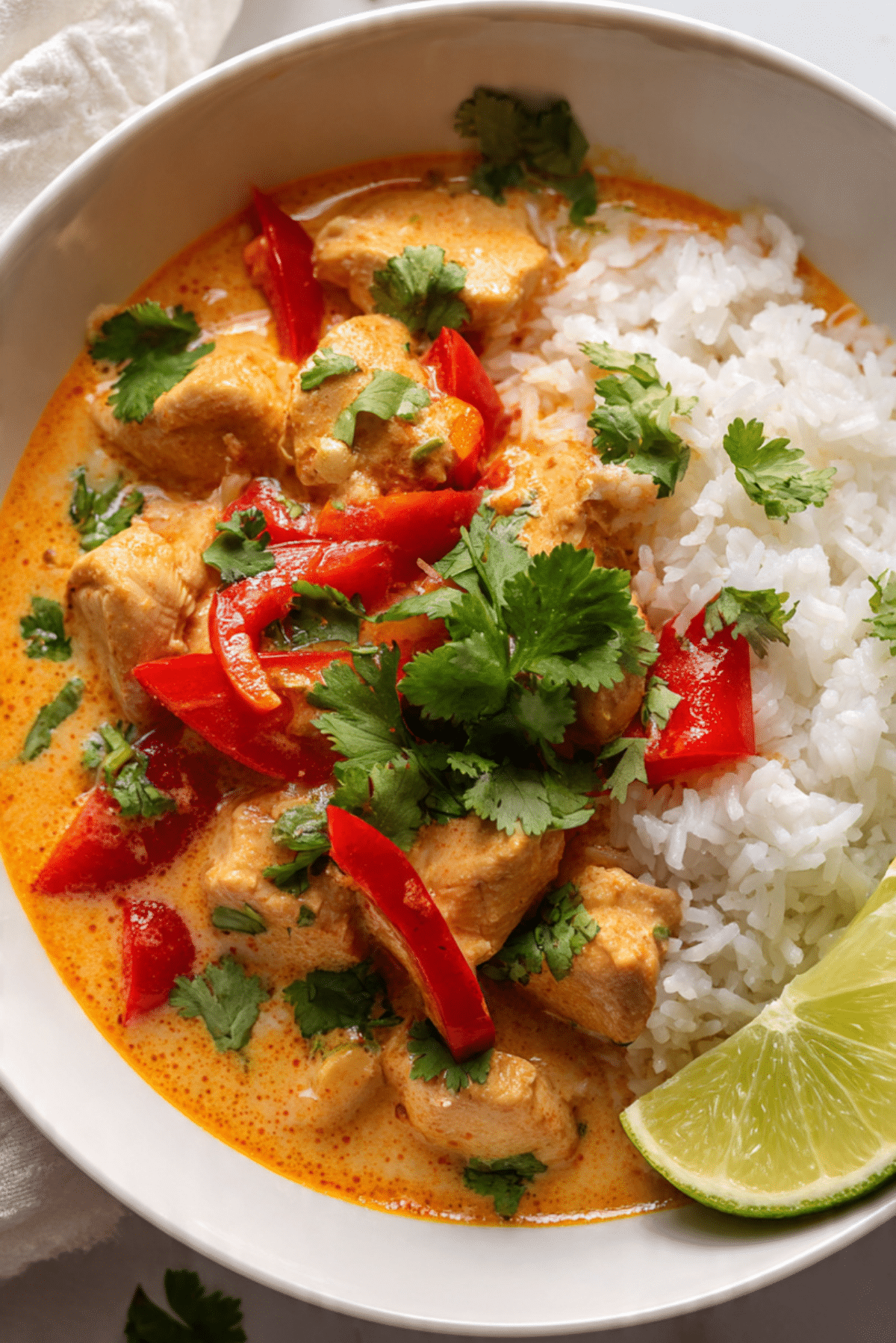
The moment that rich coconut aroma hits the pan, you know something special is happening. Panang Curry is one of those dishes that fills the kitchen with warmth before the first bite even reaches the plate. The sauce is silky, the spices are deep but comforting, and the balance between creamy coconut and fragrant herbs is simply irresistible.
Trust me, you’re going to love this. Each spoonful brings tender chicken coated in a velvety curry sauce with hints of lime leaves and gentle heat that lingers just enough to keep things exciting. It is the kind of meal that feels restaurant-worthy yet surprisingly doable at home.
What Makes This Dish So Irresistibly Good
Some recipes are comforting, some are exciting, and some manage to do both at once. This curry sits right in that sweet spot. It is rich but not heavy, flavorful but balanced, and simple enough for weeknight cooking.
Every bite offers creamy coconut, aromatic spices, and tender chicken that soaks up the sauce beautifully. Let me tell you, it’s worth every bite.
The Story Behind This Beloved Thai Curry
Panang Curry has deep roots in Thai cuisine and is known for its rich, thick sauce compared to many other Thai curries. Unlike brothier curries, this one leans toward a creamier texture that clings beautifully to the ingredients.
The curry gets its name from Penang, an island historically connected to regional trade and culinary exchange. Over time, the dish became a staple in Thai cooking, celebrated for its balance of coconut milk, curry paste, and fragrant kaffir lime leaves.
Today it is one of the most popular Thai curries around the world, loved for its comforting richness and vibrant flavors.
Why Home Cooks Keep Coming Back to This Recipe
Before we dive deeper, let’s talk about why this dish has become such a favorite in home kitchens.
Versatile: You can swap the protein, adjust the spice level, or add vegetables depending on what you have available.
Budget-Friendly: Most ingredients are affordable, and a single batch easily feeds a family.
Quick and Easy: Once everything is prepped, the cooking process moves quickly.
Customizable: Prefer shrimp or tofu instead of chicken? No problem at all.
Crowd-Pleasing: The creamy coconut base keeps the spice balanced, making it enjoyable for many palates.
Make-Ahead Friendly: The flavors deepen beautifully after resting.
Great for Leftovers: The sauce thickens and becomes even richer the next day.
Insider Tips for Restaurant-Level Flavor
Cooking curry at home becomes much easier when you know a few small tricks that professionals use.
- Toast the curry paste briefly in oil to release its aromas before adding liquids.
- Use full-fat coconut milk for the creamiest texture.
- Tear kaffir lime leaves rather than chopping them to release their oils.
- Simmer gently instead of boiling to keep the sauce silky.
- Finish with a small swirl of coconut cream for that glossy restaurant look.
Essential Kitchen Tools for Smooth Cooking
A few basic tools make the process simple and enjoyable.
Large Skillet or Wok: Perfect for evenly heating the curry and allowing the sauce to thicken properly.
Wooden Spoon: Helps gently stir the curry without breaking apart the ingredients.
Sharp Knife: Essential for slicing chicken and vegetables cleanly.
Cutting Board: Keeps prep organized and safe.
Ingredients That Bring Everything Together
This dish is built on a beautiful balance of creamy, spicy, and aromatic ingredients.
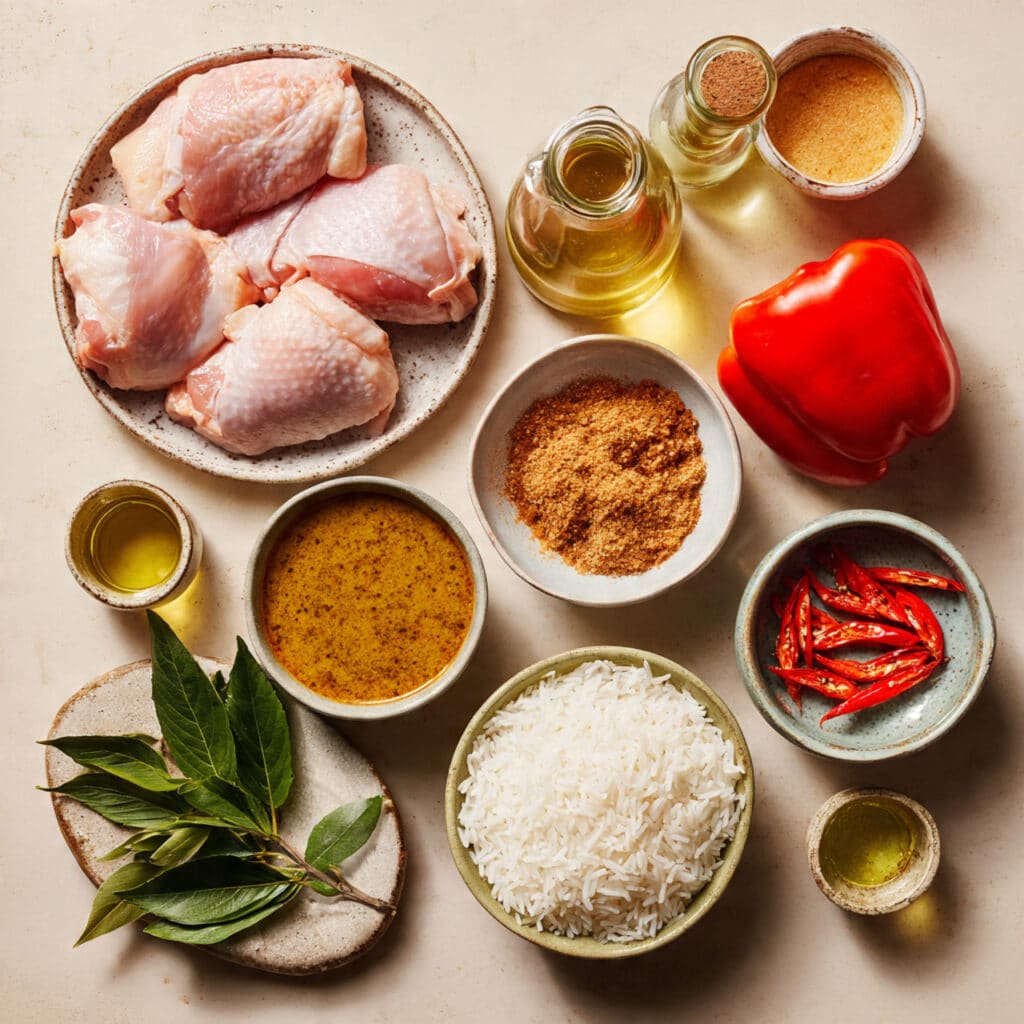
- Chicken Thighs: 1 pound boneless skinless chicken thighs, sliced into bite sized pieces. They stay juicy and absorb the curry beautifully.
- Panang Curry Paste: 3 tablespoons. The heart of the dish, delivering the signature spicy and aromatic flavor.
- Coconut Milk: 1 can (13.5 ounces). Creates the creamy base that defines this curry.
- Fish Sauce: 1 tablespoon. Adds depth and savory balance.
- Brown Sugar: 1 tablespoon. Brings a gentle sweetness that balances the spice.
- Red Bell Pepper: 1 medium pepper, thinly sliced. Adds color and mild sweetness.
- Kaffir Lime Leaves: 4 leaves, torn. These provide the bright citrus aroma that makes the curry shine.
- Vegetable Oil: 1 tablespoon. Used for sautéing the curry paste.
- Fresh Thai Basil: 1/4 cup leaves. Adds freshness right at the end.
- Cooked Jasmine Rice: 3 cups cooked. The perfect base for soaking up the sauce.
Smart Ingredient Swaps You Can Try
Cooking should always be flexible and fun.
Chicken Thighs: Shrimp, tofu, or thin sliced beef.
Fish Sauce: Soy sauce for a milder flavor.
Brown Sugar: Palm sugar or honey.
Red Bell Pepper: Snow peas or zucchini slices.
Thai Basil: Regular basil works well too.
Spotlight on Key Flavor Makers
Some ingredients truly define this dish.
Panang Curry Paste: This concentrated blend of chilies, lemongrass, garlic, and spices creates the unmistakable Thai flavor.
Kaffir Lime Leaves: Their bright citrus aroma lifts the richness of the coconut sauce beautifully.
Let’s Step Into the Cooking Process
Now that everything is ready, it is time to bring the dish to life.
- Preheat Your Equipment: Heat a large skillet or wok over medium heat and add the vegetable oil.
- Combine Ingredients: Stir the Panang curry paste into the oil and cook for about one minute until fragrant.
- Prepare Your Cooking Vessel: Pour in half of the coconut milk and stir well to create a smooth base.
- Assemble the Dish: Add the sliced chicken and cook until it begins to turn opaque.
- Cook to Perfection: Add the remaining coconut milk, fish sauce, brown sugar, bell peppers, and kaffir lime leaves. Simmer for about 10 minutes until the chicken is fully cooked and the sauce thickens.
- Finishing Touches: Stir in fresh Thai basil leaves just before turning off the heat.
- Serve and Enjoy: Spoon the curry over warm jasmine rice and enjoy every fragrant bite.
Flavor and Texture That Make Every Bite Memorable
What makes this curry truly special is the way the textures and flavors work together. The sauce is silky and creamy from the coconut milk, while the curry paste provides warmth and spice.
Tender chicken absorbs the sauce beautifully, and the bell peppers add a subtle crunch that keeps each bite interesting.
Helpful Cooking Tips for Best Results
- Use fresh lime leaves if possible, they provide the most vibrant aroma.
- Do not rush the simmering step, it helps the sauce thicken naturally.
- Taste the curry before serving and adjust sweetness or salt if needed.
- A small spoon of coconut cream on top makes the dish look restaurant ready.
Common Mistakes and How to Avoid Them
Even simple recipes can have a few pitfalls, but they are easy to avoid.
- Adding all coconut milk at once, which can reduce creaminess.
- Cooking on very high heat, which may separate the coconut milk.
- Skipping the curry paste sauté step, which reduces flavor depth.
- Overcooking the chicken, which can make it dry.
Estimated Nutrition Overview
Servings: 4
Calories per serving: 420
Note: These values are approximate and can vary depending on ingredient brands and portions.
Time Needed to Make This Dish
Prep Time: 15 minutes
Cook Time: 20 minutes
Total Time: 35 minutes
Make Ahead and Storage Tips
If you enjoy meal prep, this dish works beautifully ahead of time.
You can prepare the curry up to two days in advance and store it in an airtight container in the refrigerator. The flavors deepen overnight, which actually makes the dish even more delicious.
For longer storage, freeze portions for up to two months. Reheat gently on the stove with a splash of coconut milk to restore the creamy texture.
Serving Ideas That Elevate the Meal
This curry shines when served with warm jasmine rice that soaks up the sauce. Steamed vegetables such as broccoli or green beans make wonderful companions.
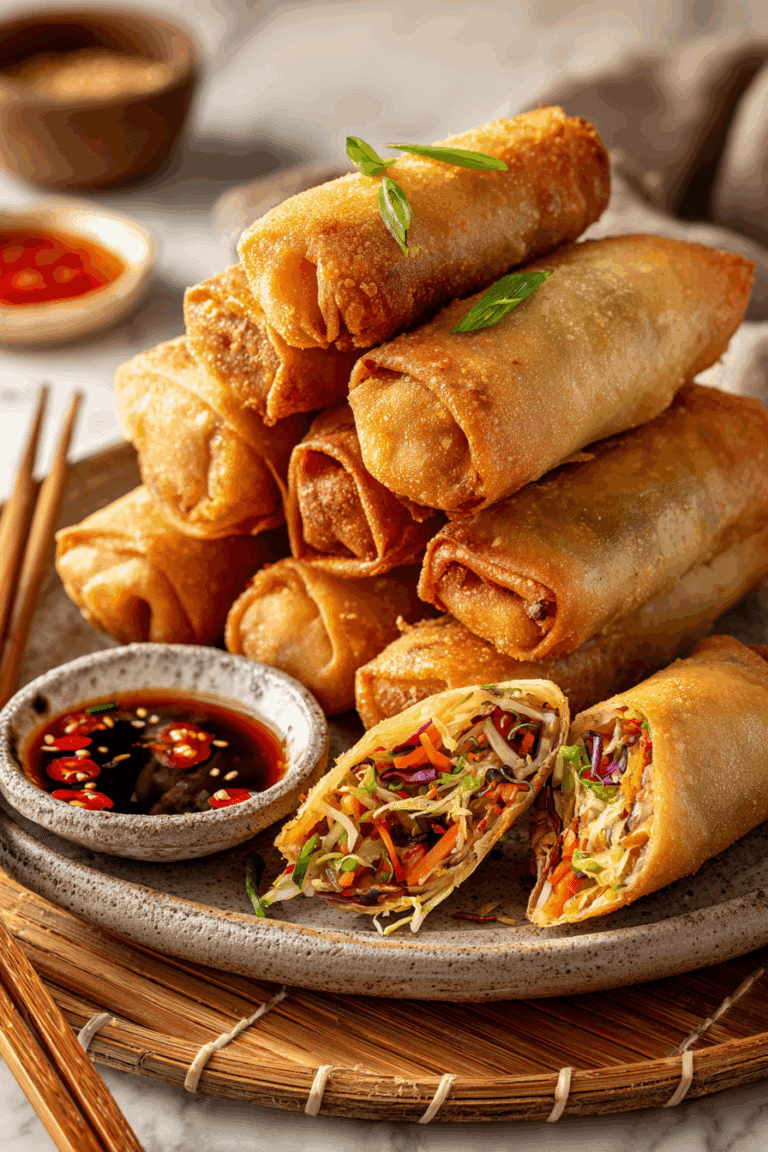
For a complete Thai inspired dinner, consider adding cucumber salad or fresh spring rolls on the side.
Creative Ways to Use Leftovers
Leftover curry is a hidden treasure in the kitchen.
You can turn it into a flavorful noodle bowl by tossing it with rice noodles, or spoon it over roasted vegetables for a quick second meal.
Another great idea is to use it as a filling for lettuce wraps.
Extra Tips for Flavor and Ease
Adding a small squeeze of lime juice right before serving brightens the entire dish.
You can also stir in a spoon of peanut butter for an even richer texture if you enjoy a nutty undertone.
Turn This Dish Into a Real Showstopper
Presentation makes a big difference.
Serve the curry in a dark bowl or skillet, garnish with fresh basil and thin pepper slices, and add a swirl of coconut cream on top.
It instantly transforms the dish into something that looks straight out of a Thai restaurant.
Delicious Variations to Try
- Shrimp Version: Swap the chicken for peeled shrimp and cook just until pink.
- Vegetarian Version: Use tofu and add mushrooms for extra texture.
- Spicier Version: Add sliced Thai chilies while simmering.
- Peanut Panang: Stir in two tablespoons of peanut butter for a deeper flavor.
FAQ’s
1. What does Panang curry taste like?
It is creamy, slightly spicy, and aromatic with hints of citrus from lime leaves.
2. Is Panang curry very spicy?
It has moderate heat, but the coconut milk balances it well.
3. Can I use chicken breast?
Yes, though thighs remain more tender.
4. Can this curry be vegetarian?
Absolutely. Tofu and vegetables work wonderfully.
5. What rice works best?
Jasmine rice is the traditional pairing.
6. Can I freeze Panang curry?
Yes, it freezes well for about two months.
7. What vegetables can I add?
Zucchini, bamboo shoots, and green beans are great options.
8. Is curry paste spicy?
Most versions have mild to medium heat.
9. Can I make it thicker?
Simmer longer or add a little coconut cream.
10. Do I need lime leaves?
They are traditional, but lime zest can work in a pinch.
Conclusion
Panang Curry is one of those comforting dishes that instantly transports you to a warm, fragrant kitchen filled with spices and coconut aroma. It feels indulgent yet approachable, and the flavors are layered in a way that keeps every bite exciting.
Once you try making it at home, you may find it becoming a regular favorite. Trust me, you’re going to love this one.
Print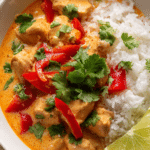
Panang Curry
- Prep Time: 15 minutes
- Cook Time: 20 minutes
- Total Time: 35 minutes
- Yield: 4 servings 1x
- Category: Dinner
- Method: Stovetop
- Cuisine: Thai
- Diet: Low Lactose
Description
A creamy Thai Panang Curry made with tender chicken, coconut milk, and aromatic curry paste simmered into a rich, flavorful sauce served over jasmine rice.
Ingredients
- 1 lb boneless skinless chicken thighs, sliced
- 3 tablespoons Panang curry paste
- 1 can (13.5 oz) coconut milk
- 1 tablespoon fish sauce
- 1 tablespoon brown sugar
- 1 medium red bell pepper, sliced
- 4 kaffir lime leaves, torn
- 1 tablespoon vegetable oil
- 1/4 cup fresh Thai basil leaves
- 3 cups cooked jasmine rice
Instructions
- Heat vegetable oil in a large skillet over medium heat.
- Add Panang curry paste and cook for about 1 minute until fragrant.
- Pour in half of the coconut milk and stir until the sauce begins to thicken.
- Add sliced chicken and cook until it starts to turn opaque.
- Add remaining coconut milk, fish sauce, brown sugar, red bell pepper, and kaffir lime leaves.
- Simmer for about 10 minutes until the chicken is fully cooked and the sauce thickens.
- Stir in Thai basil leaves and remove from heat.
- Serve hot over jasmine rice.
Notes
- Use full fat coconut milk for the creamiest texture.
- If the curry becomes too thick, add a small splash of coconut milk.
- Taste and adjust seasoning before serving.
Nutrition
- Serving Size: 1 serving
- Calories: 420
- Sugar: 6g
- Sodium: 720mg
- Fat: 28g
- Saturated Fat: 18g
- Unsaturated Fat: 8g
- Trans Fat: 0g
- Carbohydrates: 16g
- Fiber: 2g
- Protein: 26g
- Cholesterol: 95mg
Keywords: panang curry, thai curry, chicken curry, coconut curry