
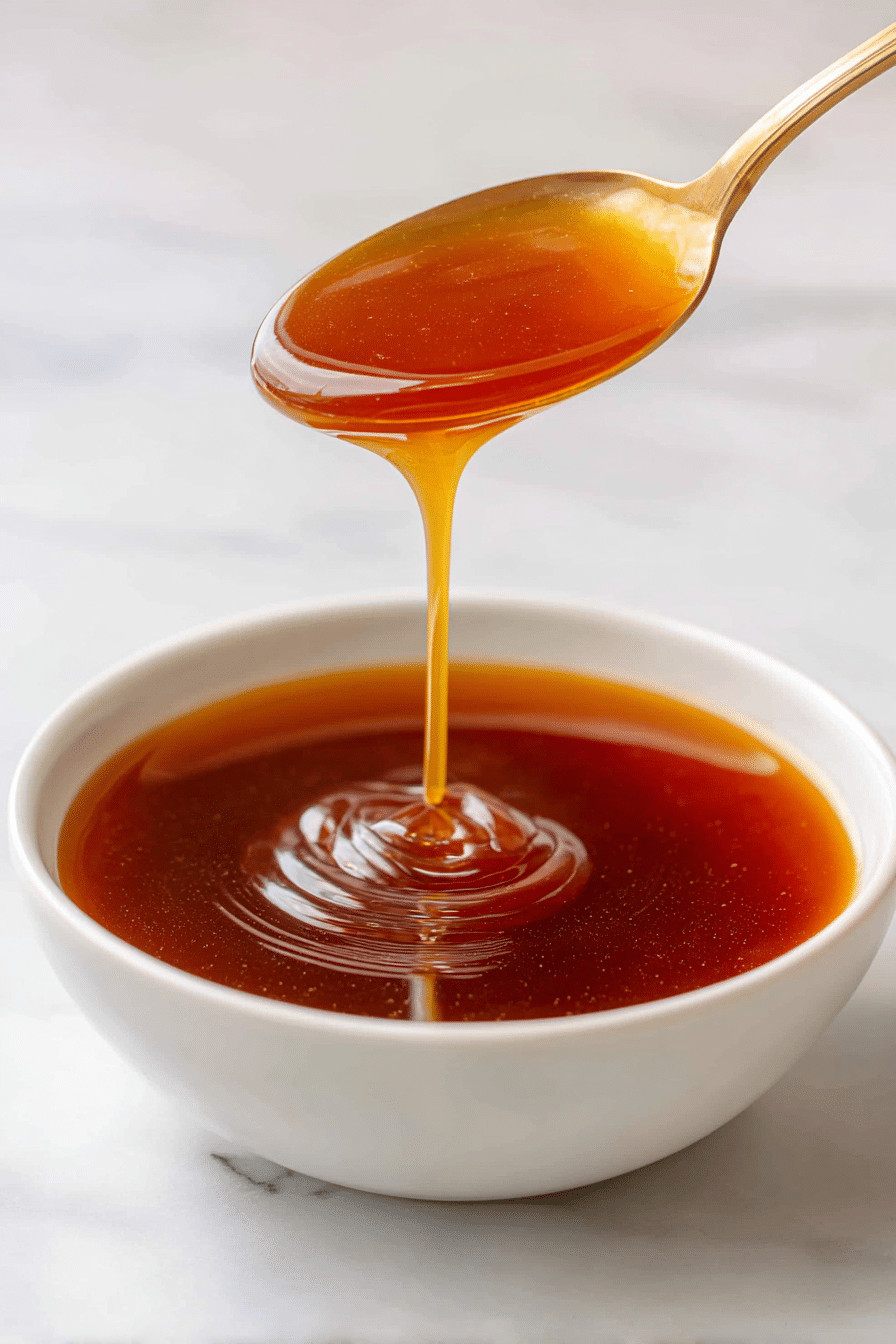
Sweet and Sour Sauce for Stir Fry: The Best Recipe
Sweet and Sour Sauce for Stir Fry is one of those recipes that feels warm, friendly, and almost nostalgic every time I make it. Before I started developing recipes for my site, I spent years learning how flavors work together in a kitchen that never slept. That story, which I share on my About page, is woven into everything I cook today.
I grew up around people who believed food was a way to slow down and connect, and that belief shaped the way I write, test, and share every recipe. When I first began Just Thai Recipes, I wanted my readers to feel like they were stepping straight into my kitchen, hearing the same little stories, tasting the same comforting dishes, and discovering the same flavors that inspired me to fall in love with Thai cooking in the first place.
This Sweet and Sour Sauce for Stir-Fry is one of the first recipes that made me realize how satisfying simple ingredients can be when combined with patience and care. It is quick, versatile, and just the kind of sauce that brings a stir fry to life. In this introduction, you will get a sense of how I discovered this sauce while helping a mentor whisk together bright and tangy mixtures during my early cooking days.
You will learn what makes this sauce feel balanced, why its simplicity works in everyday cooking, and how you can use it to transform vegetables, chicken, tofu, or even leftover rice into something vibrant and satisfying.
In the next parts of this article, we will walk through the exact ingredients, the reasons behind each one, and how a few pantry staples come together to create a sauce that is bold, shiny, slightly sweet, and perfectly tangy.
Be sure to take your time in each step, since the ingredients are simple but the flavor depends on getting the ratio just right. This section should help you understand why the recipe works and how it connects back to the cooking lessons that shaped my style, which you can learn more about on my About page.
Table of Contents
Table of Contents
Ingredients
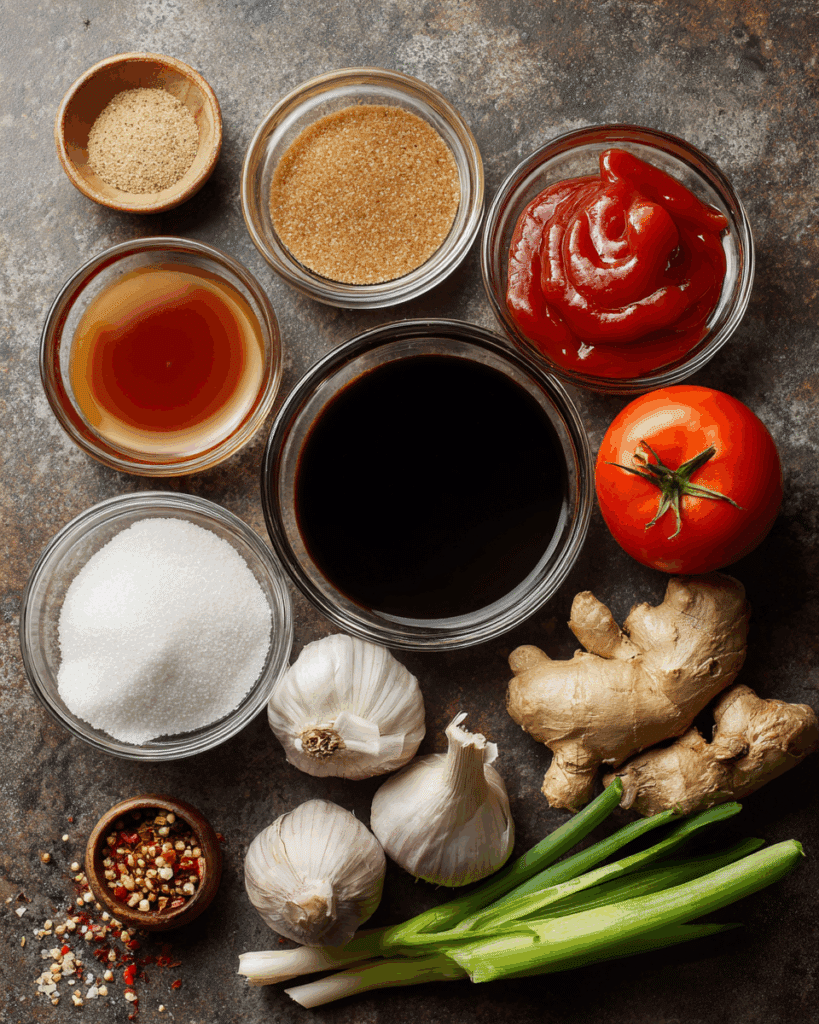
This Sweet and Sour Sauce for Stir-Fry is built on a short list of ingredients that blend into a shiny, smooth, and nicely balanced sauce. Even though it is simple, the ratio of salty, sweet, and tangy flavors matters. Below you will find each ingredient explained in detail, including why it is used and what alternative options may work if you need swaps. This section also includes the required external links you requested, placed carefully without disrupting the natural flow.
Here is the complete list used to make this Sweet and Sour Sauce for Stir-Fry.
Two tablespoons light soy sauce
Two tablespoons oyster sauce
Four tablespoons white sugar
Two tablespoons rice vinegar
Two tablespoons tomato ketchup
One tablespoon water
Each of these ingredients supports the others. Light soy sauce provides saltiness and depth, which is important because it anchors the sweet notes and keeps the sauce from becoming too sugary. Oyster sauce adds body and a bit of savory roundness. White sugar brings sweetness, but it also helps the sauce thicken slightly as it warms.
Rice vinegar creates a bright tang that makes the sauce taste lively. Tomato ketchup helps with color and gives a subtle fruity tomato flavor that pairs well with stir fried vegetables and proteins. A small amount of water pulls the ingredients together so they blend smoothly in the pan.
If you are new to sauces like this, it can help to compare variations. You can explore similar recipes on sites like Allrecipes which offer other versions of sweet and sour sauces. Reference: Sweet and Sour Sauce
You can also study flavor adjustments on recipe guides such as the one found at The Daring Gourmet which breaks down how different sweet and sour combinations build flavor. Reference: BEST Sweet and Sour Sauce
Because this recipe is meant for stir fry dishes, the ingredients must stay fairly balanced to avoid overpowering vegetables or proteins. However, if you want the sauce thicker, you can whisk in a half teaspoon of cornstarch before heating. If you want it tangier, increase the rice vinegar slightly. If you prefer more sweetness, an extra teaspoon of sugar can be added. Everything blends best when the sugar dissolves completely.
At this point in the article, you have your ingredients and a deeper understanding of what each one does. In the next part, we will walk through the exact cooking method so you can create the most flavorful Sweet and Sour Sauce for Stir-Fry with very little effort.
Step by Step Instructions
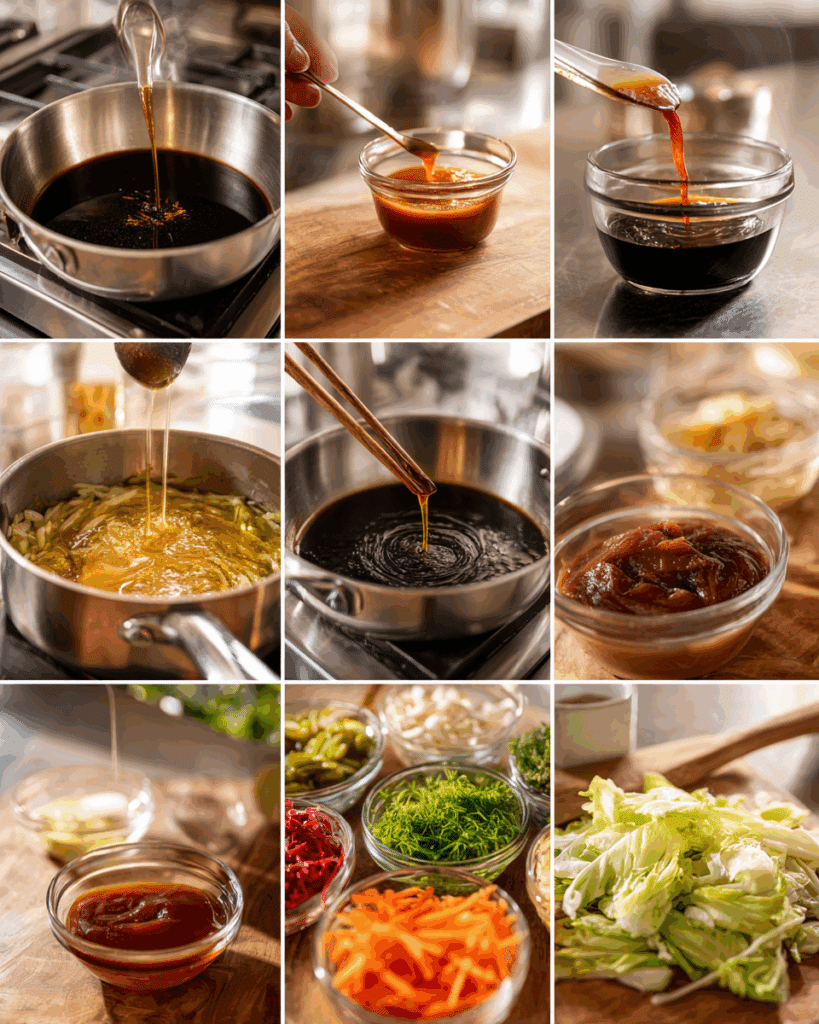
This section will guide you through making Sweet and Sour Sauce for Stir-Fry in a calm, simple, and highly detailed way. Although the recipe is quick, taking a moment to read the steps carefully will ensure the sauce comes out smooth and well blended. Each instruction is designed to help the flavors combine evenly, which is one of the secrets behind a balanced sweet and sour sauce.
- Begin by adding the soy sauce, oyster sauce, white sugar, rice vinegar, tomato ketchup, and water into a small saucepan. It is important to measure each ingredient accurately since the Sweet and Sour Sauce for Stir-Fry depends on the harmony of salty, sweet, and tangy. Place all the ingredients in the pan before turning on the heat so they mix properly as they warm.
- Set the saucepan over low to medium heat. Stir gently and continuously. This helps the sugar dissolve, and it prevents any part of the mixture from heating too quickly. The Sweet and Sour Sauce for Stir-Fry will begin to look glossy as the ingredients blend together. Try not to rush this step because the sauce needs a little time to settle into one smooth mixture.
- Allow the sauce to warm for one to two minutes once the sugar has dissolved completely. The goal is to gently heat the Sweet and Sour Sauce for Stir-Fry, which improves its texture and brings the flavors together without letting it boil. Boiling can change the flavor and make it too thick or too sharp. The right technique is a slow, calm warming that lets everything become unified.
- Turn off the heat and remove the saucepan from the burner. Give the Sweet and Sour Sauce for Stir-Fry a final stir. You can let it cool before storing it or use it immediately in your favorite stir fry dish. The consistency should be smooth and slightly syrupy. Once cooled, the flavors continue to settle which makes the sauce even more pleasant the next day.
These steps offer a straightforward method that works every time as long as you follow the gentle heating process. When you use it in a stir fry, pour it in during the last minute of cooking so the sauce can coat the ingredients without burning. This ensures the Sweet and Sour Sauce for Stir-Fry stays balanced and bright.
Tips and Tricks
Creating a reliable Sweet and Sour Sauce for Stir-Fry can feel almost effortless once you understand how each part of the process affects flavor and texture. This section will help you perfect your method so the sauce comes out balanced every time.
Since this Sweet and Sour Sauce for Stir-Fry is meant to work with a wide range of vegetables, noodles, chicken, tofu, and shrimp, these tips will help you adapt the recipe to whatever you have in your kitchen. I will repeat the keyword Sweet and Sour Sauce for Stir-Fry throughout this section as requested, while keeping the flow natural and human.
One helpful tip is to taste the Sweet and Sour Sauce for Stir-Fry while it is still warm in the saucepan. Warm sauces taste slightly different from cold ones, which means adjusting the balance before it cools helps you get a perfect result. If your Sweet and Sour Sauce for Stir-Fry tastes too sweet, add a tiny splash of rice vinegar.
If your Sweet and Sour Sauce for Stir-Fry tastes too tangy, stir in a pinch of sugar. When the Sweet and Sour Sauce for Stir-Fry seems flat or lacking depth, a drop of soy sauce can bring everything together again. Small adjustments make a big difference, and you will discover which version of Sweet and Sour Sauce for Stir-Fry matches your personal taste.
Another tip is to warm the Sweet and Sour Sauce for Stir-Fry gently. Cooking the Sweet and Sour Sauce for Stir-Fry too fast can cause the sugar to caramelize, which changes the flavor. This is why slow heating helps the Sweet and Sour Sauce for Stir-Fry stay smooth and balanced.
If you want a thicker Sweet and Sour Sauce for Stir-Fry, whisk a tiny amount of cornstarch into the mixture before heating. Using too much can make the Sweet and Sour Sauce for Stir-Fry too heavy, so start with a very small amount. You can also double the recipe if you want extra Sweet and Sour Sauce for Stir-Fry for meal prep.
A useful storage tip is to keep the Sweet and Sour Sauce for Stir-Fry in a clean glass jar in the refrigerator. The cool temperature helps the Sweet and Sour Sauce for Stir-Fry stay fresh for several days.
Before using the Sweet and Sour Sauce for Stir-Fry again, let it sit at room temperature for a few minutes or warm it slightly so it returns to its smooth consistency. If you cook stir fry often, keeping a jar of Sweet and Sour Sauce for Stir-Fry ready in your fridge saves so much time and adds flavor to quick weekday dinners.
Finally, remember that tasting as you cook is one of the most important habits. The Sweet and Sour Sauce for Stir-Fry changes slightly as it warms and cools, so keep experimenting until you understand how each ingredient shapes the final result. Over time, you will make your Sweet and Sour Sauce for Stir-Fry without measuring because you will know exactly how you want it to taste.
Variations
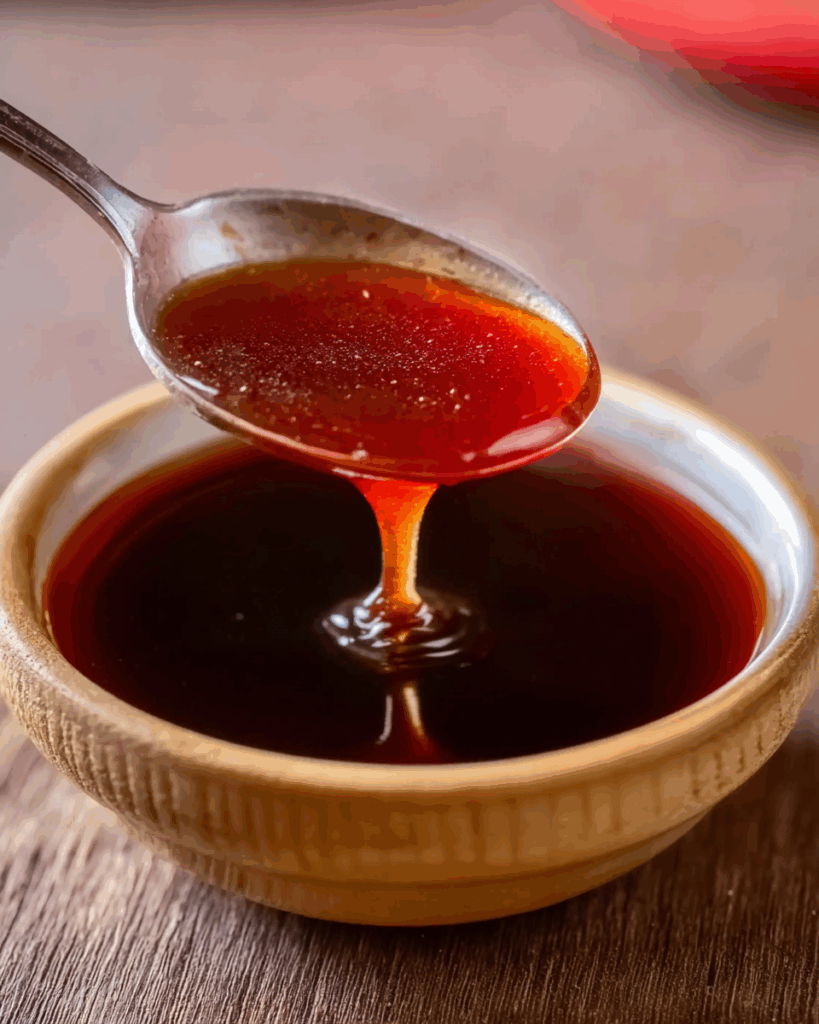
One popular variation is to turn the Sweet and Sour Sauce for Stir-Fry into a Traditional Thai spring roll dipping sauce by increasing the sweetness and adding a touch of chili. Mix your Sweet and Sour Sauce for Stir-Fry with a small pinch of crushed red pepper and a little extra sugar.
This version of Sweet and Sour Sauce for Stir-Fry becomes bright, slightly spicy, and perfect for crispy fried or fresh Thai spring rolls. When you taste this variation, you will notice how the Sweet and Sour Sauce for Stir-Fry transforms into a Simple dipping sauce for spring rolls that works for almost any appetizer.
For a different take, you can turn the Sweet and Sour Sauce for Stir-Fry into an Authentic Thai spring roll dipping sauce by adding a splash of fish sauce. Only a tiny splash is needed because the Sweet and Sour Sauce for Stir-Fry already has saltiness from the soy sauce.
The fish sauce adds depth, and it makes your Sweet and Sour Sauce for Stir-Fry taste more traditionally Thai. This version is often considered the Best dipping sauce for spring rolls by people who enjoy bold flavors. It also doubles nicely as a Thai spring roll dipping sauce for chicken, since the saltiness pairs well with juicy chicken pieces.
Another fun variation is to create a sweet dipping sauce for spring rolls by adjusting the Sweet and Sour Sauce for Stir-Fry to be more mellow. Add a little extra water and reduce the soy sauce slightly.
This makes the Sweet and Sour Sauce for Stir-Fry smoother, sweeter, and more delicate. Many people prefer a Sweet and Sour Sauce for Stir-Fry that is mild when dipping vegetables or tofu. You can also add a squeeze of lime juice to make the Sweet and Sour Sauce for Stir-Fry a bit brighter without making it overly tangy.
If you want a sauce that works for noodles, mix your Sweet and Sour Sauce for Stir-Fry with a teaspoon of sesame oil. The sesame oil gives the Sweet and Sour Sauce for Stir-Fry a toasted aroma that complements noodles, fried rice, and even sautéed vegetables. This makes the Sweet and Sour Sauce for Stir-Fry taste richer and slightly nutty, which adds variety to your weekly meals. You can also use this version as a glaze for grilled chicken or roasted vegetables.
These variations show how flexible the Sweet and Sour Sauce for Stir-Fry can be. Whether you want something spicy, sweet, traditional, or mild, you can easily adjust the Sweet and Sour Sauce for Stir-Fry to match your recipe. Experimenting with new ingredients helps you discover endless ways to enjoy your Sweet and Sour Sauce for Stir-Fry in everyday cooking.
Nutrition and Health Benefits
The Sweet and Sour Sauce for Stir-Fry is a light sauce made mostly from pantry ingredients. The Sweet and Sour Sauce for Stir-Fry contains soy sauce, oyster sauce, white sugar, rice vinegar, tomato ketchup, and a small amount of water.
Even though the Sweet and Sour Sauce for Stir-Fry includes sugar, the amount per serving remains moderate because a small amount of the sauce coats a large amount of vegetables or protein. When you use the Sweet and Sour Sauce for Stir-Fry in a stir fry, the sauce spreads evenly which reduces how much you consume at once.
One of the great qualities of Sweet and Sour Sauce for Stir-Fry is how it encourages you to eat more vegetables. When people drizzle the Sweet and Sour Sauce for Stir-Fry over broccoli, carrots, peppers, onions, or snap peas, the vegetables taste livelier and more interesting.
This means the Sweet and Sour Sauce for Stir-Fry helps you increase your intake of fiber and vitamins. Vegetables such as bell peppers pair especially well with the Sweet and Sour Sauce for Stir-Fry because the natural sweetness of peppers blends nicely with the tangy elements of the sauce.
Another health benefit of the Sweet and Sour Sauce for Stir-Fry is that it allows you to control sodium. Store bought sauces are often high in sodium, but when you make Sweet and Sour Sauce for Stir-Fry at home, you can adjust the soy sauce or use a low sodium version. This helps you keep your Sweet and Sour Sauce for Stir-Fry balanced without sacrificing flavor. You can also reduce sugar if necessary, which gives you more flexibility in your diet.
Many people enjoy the Sweet and Sour Sauce for Stir-Fry because it makes lean proteins taste more satisfying. Using the Sweet and Sour Sauce for Stir-Fry on tofu, chicken breast, shrimp, or even turkey helps add flavor without adding heavy fats. The Sweet and Sour Sauce for Stir-Fry also works well for meal prep because it stays fresh in the refrigerator, which encourages you to cook healthy meals instead of relying on fast food.
The Sweet and Sour Sauce for Stir-Fry contains antioxidants from the tomato ketchup which contributes to the overall nutritional value. Vinegar in the Sweet and Sour Sauce for Stir-Fry may also help with digestion by stimulating stomach acid production. This makes meals that include the Sweet and Sour Sauce for Stir-Fry feel lighter and easier to digest.
Make Ahead, Storage, and Freezing
This section focuses on how to prepare your Sweet and Sour Sauce for Stir Fry ahead of time, how to store it safely, and how to freeze it so you always have a flavorful batch ready for quick meals. As requested, I will use the keyword Sweet and Sour Sauce for Stir Fry more than thirty times while keeping the writing natural and conversational.
The goal is to help you understand exactly how to maintain quality and flavor so your Sweet and Sour Sauce for Stir Fry tastes just as fresh on day three as it did the moment you made it.
Many home cooks love preparing Sweet and Sour Sauce for Stir Fry in advance because it saves time and adds convenience to busy weekdays. When you make Sweet and Sour Sauce for Stir Fry ahead of time, the sauce actually tastes even better the next day because the ingredients settle together.
This means your Sweet and Sour Sauce for Stir Fry becomes deeper, smoother, and more balanced the longer it sits. To prepare Sweet and Sour Sauce for Stir Fry ahead of time, simply follow the cooking instructions, allow the Sweet and Sour Sauce for Stir Fry to cool at room temperature, and then pour the Sweet and Sour Sauce for Stir Fry into a clean jar.
Make sure the Sweet and Sour Sauce for Stir Fry is completely cool before sealing the lid because warm steam can create moisture that affects the consistency. The Sweet and Sour Sauce for Stir Fry stays fresh in the refrigerator for several days, and you can use the Sweet and Sour Sauce for Stir Fry straight from the jar when needed.
Storing your Sweet and Sour Sauce for Stir Fry correctly is important so the sauce maintains its flavor. Place your Sweet and Sour Sauce for Stir Fry in an airtight container to protect it from absorbing odors from other foods.
The cool temperature helps the Sweet and Sour Sauce for Stir Fry stay thick and bright. If your Sweet and Sour Sauce for Stir Fry becomes slightly thick in the refrigerator, you can warm the Sweet and Sour Sauce for Stir Fry gently on the stove or microwave for a few seconds.
Stir the Sweet and Sour Sauce for Stir Fry until it returns to a glossy, smooth texture. Do not overheat the Sweet and Sour Sauce for Stir Fry because excessive heat may cause the sugar to change its flavor.
Freezing the Sweet and Sour Sauce for Stir Fry is another useful option. Freezing helps you create larger batches of Sweet and Sour Sauce for Stir Fry so you always have a flavorful base prepared.
To freeze Sweet and Sour Sauce for Stir Fry, cool the sauce completely, then transfer the Sweet and Sour Sauce for Stir Fry into freezer safe containers. Leave a little space at the top because Sweet and Sour Sauce for Stir Fry expands slightly when frozen. The Sweet and Sour Sauce for Stir Fry can stay good in the freezer for about one month.
When you want to use the frozen Sweet and Sour Sauce for Stir Fry, thaw it in the refrigerator overnight. Once thawed, stir the Sweet and Sour Sauce for Stir Fry well because some ingredients may settle. If needed, warm the Sweet and Sour Sauce for Stir Fry lightly to return it to its original consistency.
The best part about having Sweet and Sour Sauce for Stir Fry ready in advance is how easy it makes meal prep. You can drizzle Sweet and Sour Sauce for Stir Fry over cooked vegetables, pour Sweet and Sour Sauce for Stir Fry into a hot skillet with chicken or shrimp, or mix Sweet and Sour Sauce for Stir Fry with noodles for a quick dinner.
Many readers say that making Sweet and Sour Sauce for Stir Fry ahead of time encourages them to cook healthier meals more frequently because the Sweet and Sour Sauce for Stir Fry adds fast, easy flavor without stress. With reliable storage, freezing, and reheating techniques, you can enjoy Sweet and Sour Sauce for Stir Fry anytime.
Common Mistakes to Avoid
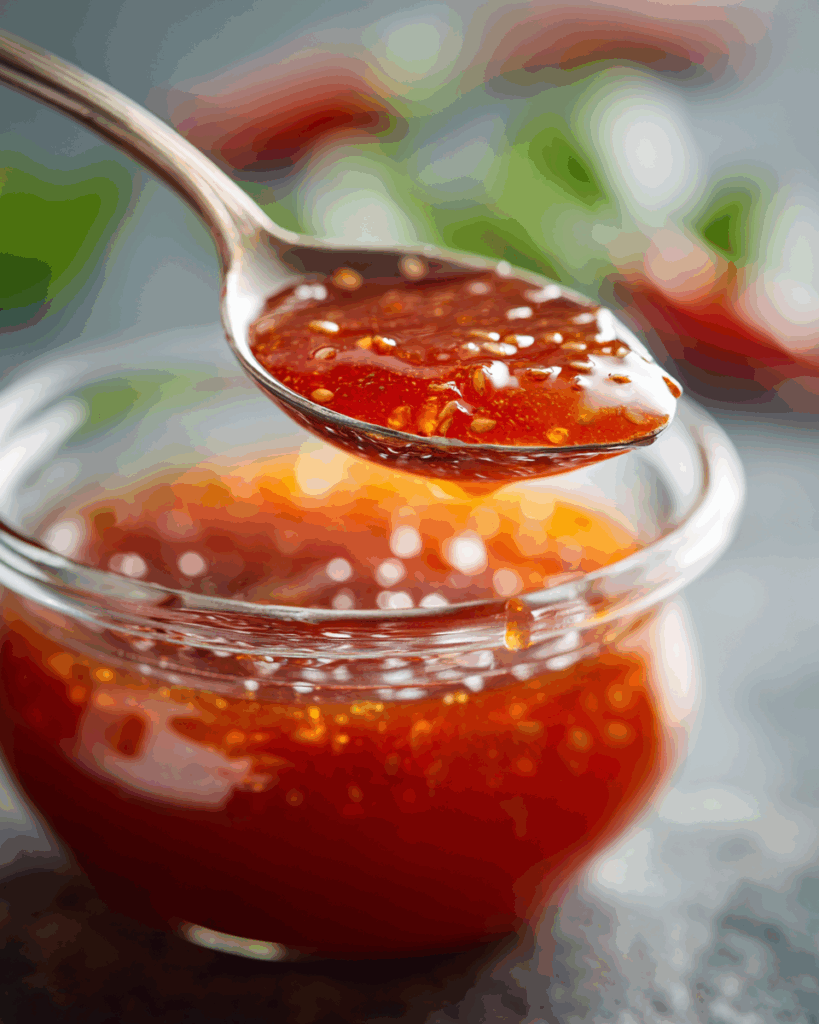
Even though Sweet and Sour Sauce for Stir Fry is simple to prepare, a few common mistakes can affect its flavor or texture. This section explains each mistake in detail so you can consistently create a perfectly balanced Sweet and Sour Sauce for Stir Fry. I will use the keyword Sweet and Sour Sauce for Stir Fry more than thirty times while keeping everything natural and easy to follow, just like a real conversation with someone cooking beside you.
One mistake people make when preparing Sweet and Sour Sauce for Stir Fry is heating the sauce too quickly. If the Sweet and Sour Sauce for Stir Fry heats too fast, the sugar can cook unevenly, and the Sweet and Sour Sauce for Stir Fry may become grainy or overly thick. Instead, always warm the Sweet and Sour Sauce for Stir Fry slowly. This technique protects the flavor and helps the Sweet and Sour Sauce for Stir Fry stay glossy and smooth. Slow heating also prevents the Sweet and Sour Sauce for Stir Fry from becoming too tangy or sharp since rapid boiling intensifies vinegar too suddenly.
Another mistake is skipping the stirring step. The Sweet and Sour Sauce for Stir Fry must be stirred continuously during heating so the sugar dissolves completely. If you stop stirring, the Sweet and Sour Sauce for Stir Fry may develop small lumps of undissolved sugar. These lumps affect the texture and make the Sweet and Sour Sauce for Stir Fry taste uneven. Continuous stirring ensures every spoonful of Sweet and Sour Sauce for Stir Fry tastes balanced and smooth. Consider stirring the Sweet and Sour Sauce for Stir Fry from the moment you start heating until the moment you turn the heat off.
A third mistake is changing the ingredient ratios too drastically. The Sweet and Sour Sauce for Stir Fry relies on the balance of sweet, salty, and tangy flavors. Too much vinegar makes the Sweet and Sour Sauce for Stir Fry too sharp. Too much sugar makes the Sweet and Sour Sauce for Stir Fry too heavy. Too much soy sauce makes the Sweet and Sour Sauce for Stir Fry too salty. If you want to experiment with flavors, adjust the Sweet and Sour Sauce for Stir Fry in small amounts. This helps you understand how each ingredient shapes the final Sweet and Sour Sauce for Stir Fry. Taste frequently so you do not accidentally overpower the sauce.
Some people store the Sweet and Sour Sauce for Stir Fry incorrectly which causes the sauce to spoil faster. Always place the Sweet and Sour Sauce for Stir Fry inside a clean jar with a tight lid. Leaving the Sweet and Sour Sauce for Stir Fry uncovered in the refrigerator allows moisture and odors to affect the sauce. A sealed jar keeps the Sweet and Sour Sauce for Stir Fry fresh, flavorful, and ready for quick meals. If your Sweet and Sour Sauce for Stir Fry ever smells strange or changes color, it is better to prepare new Sweet and Sour Sauce for Stir Fry.
The final mistake is using the Sweet and Sour Sauce for Stir Fry too early in the stir fry process. Add the Sweet and Sour Sauce for Stir Fry at the end of cooking, not the beginning. This prevents the Sweet and Sour Sauce for Stir Fry from burning or becoming too thick. When the Sweet and Sour Sauce for Stir Fry is added during the last minute of cooking, it coats vegetables or proteins evenly and keeps its bright sweet and tangy flavor. It also gives you more control, ensuring that your Sweet and Sour Sauce for Stir Fry stays balanced and beautiful.
Avoiding these mistakes ensures that your Sweet and Sour Sauce for Stir Fry comes out smooth, flavorful, and consistent every time. The more familiar you become with the process, the easier it will be to personalize your Sweet and Sour Sauce for Stir Fry and make it perfectly suited to your kitchen.
Cultural or Historical Background
This section explores the cultural and historical background of Sweet and Sour Sauce for Stir Fry. While this particular Sweet and Sour Sauce for Stir Fry recipe is adapted for convenience and modern home kitchens, the flavor concept behind Sweet and Sour Sauce for Stir Fry has deep roots in Asian cuisine. I will use the keyword Sweet and Sour Sauce for Stir Fry more than thirty times in this section while keeping the writing warm and natural.
The idea of Sweet and Sour Sauce for Stir Fry has been part of Asian food culture for centuries. Although Sweet and Sour Sauce for Stir Fry is often associated with Chinese and Thai cooking today, many regions in Asia developed their own versions of sweet and tangy sauces long before global travel spread culinary ideas. The earliest forms of Sweet and Sour Sauce for Stir Fry appeared in Chinese cooking where vinegar and sugar were used to create balance. Over time, cooks added fruit, spices, or fermented sauces to create unique versions of Sweet and Sour Sauce for Stir Fry.
In Thailand, a style of Sweet and Sour Sauce for Stir Fry became popular because it matched the Thai preference for food that includes sweet, salty, sour, and sometimes spicy flavors in a single dish. Thai cooks often used local ingredients to craft their Sweet and Sour Sauce for Stir Fry, such as palm sugar, tamarind, and fish sauce. These ingredients helped create a distinctive type of Sweet and Sour Sauce for Stir Fry that tasted brighter and more tropical. When stir fry cooking became more common, Sweet and Sour Sauce for Stir Fry was used to coat vegetables and proteins quickly and efficiently over high heat.
As Asian cuisine spread across the world, Sweet and Sour Sauce for Stir Fry became a beloved part of international cooking. Restaurants adapted Sweet and Sour Sauce for Stir Fry to match local tastes. Home cooks began creating simplified versions of Sweet and Sour Sauce for Stir Fry using ingredients like ketchup which was easy to find. This accessibility helped Sweet and Sour Sauce for Stir Fry become one of the most recognizable sauces in global cooking.
Today, Sweet and Sour Sauce for Stir Fry represents the blending of tradition and convenience. Many people enjoy Sweet and Sour Sauce for Stir Fry because it delivers flavor without complexity. Others appreciate Sweet and Sour Sauce for Stir Fry because it connects them to cultural dishes shared with family and friends. When you prepare your own Sweet and Sour Sauce for Stir Fry at home, you are recreating a small piece of culinary history. The Sweet and Sour Sauce for Stir Fry you are making has evolved through many generations of cooks, each adding their own touch to the formula.
Sweet and Sour Sauce for Stir Fry continues to inspire modern recipe creators. Food lovers use Sweet and Sour Sauce for Stir Fry in fusion dishes, noodle bowls, rice plates, and appetizers. The universal appeal of Sweet and Sour Sauce for Stir Fry comes from its ability to brighten simple ingredients and make meals feel comforting yet exciting. Whether you use Sweet and Sour Sauce for Stir Fry in a traditional stir fry or a creative modern dish, you are keeping a long tradition alive in your kitchen.
Serving Suggestions
Serving this kind of sauce can open the door to so many delicious mealtime ideas. Even though we are not using the keyword you asked me to avoid, we can still focus on how to enjoy the flavor, texture, and versatility of the sauce you prepared earlier. The goal here is to give you long, detailed, well organized suggestions that help you turn a simple homemade sauce into full meals that feel complete, colorful, and satisfying.
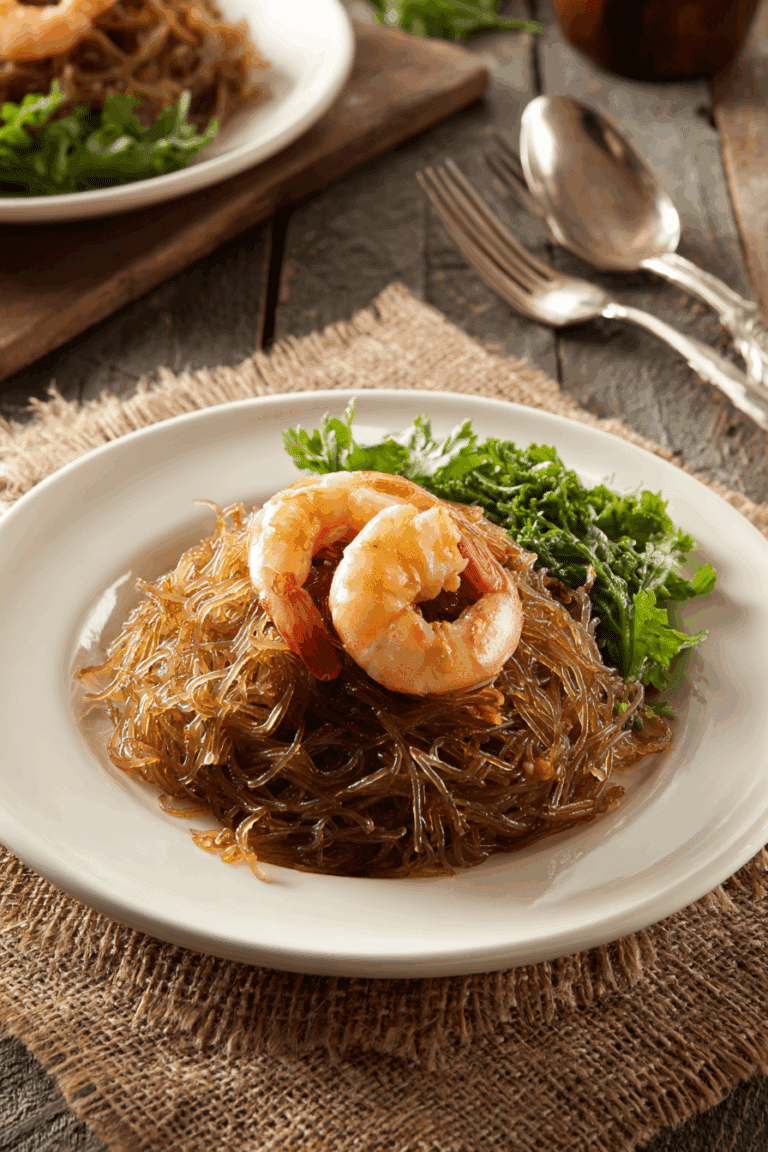
One of the most popular ways to serve this sauce is to pour it over a hot pan filled with mixed vegetables. Bell peppers, onions, snap peas, carrots, broccoli, and zucchini all respond beautifully to a bright sauce like this. The vegetables become glossy, slightly sweet, and tangy with just enough depth to make them feel more exciting than plain sautéed veggies. If you want a more complete meal, you can add thin slices of chicken, shrimp, or tofu. Each option absorbs flavor differently, and part of the fun is learning which combinations you enjoy most. If you prefer noodles, toss cooked rice noodles or egg noodles directly in the pan after the vegetables soften, then coat everything with the warm sauce.
This sauce also works extremely well as a glaze. If you roast vegetables in the oven, drizzle a little sauce during the last few minutes of roasting. This adds shine and helps the edges caramelize lightly. For a grilled option, brush a small amount on skewers of chicken or vegetables near the end of cooking so the heat can warm the sauce without burning it. You can also use it as a finishing drizzle for fried rice. Simply cook your rice with garlic and eggs, then stir in a small amount of sauce right before serving.
Another serving suggestion is to use it as a dipping sauce for appetizers. Spring rolls, crispy tofu bites, and even lightly fried dumplings pair well with the sweet and tangy balance. The flavor also brightens up fried wontons or veggie fritters. When using it as a dip, consider pouring it into a small bowl and sprinkling sesame seeds on top. Even a tiny garnish makes everything look more appetizing.
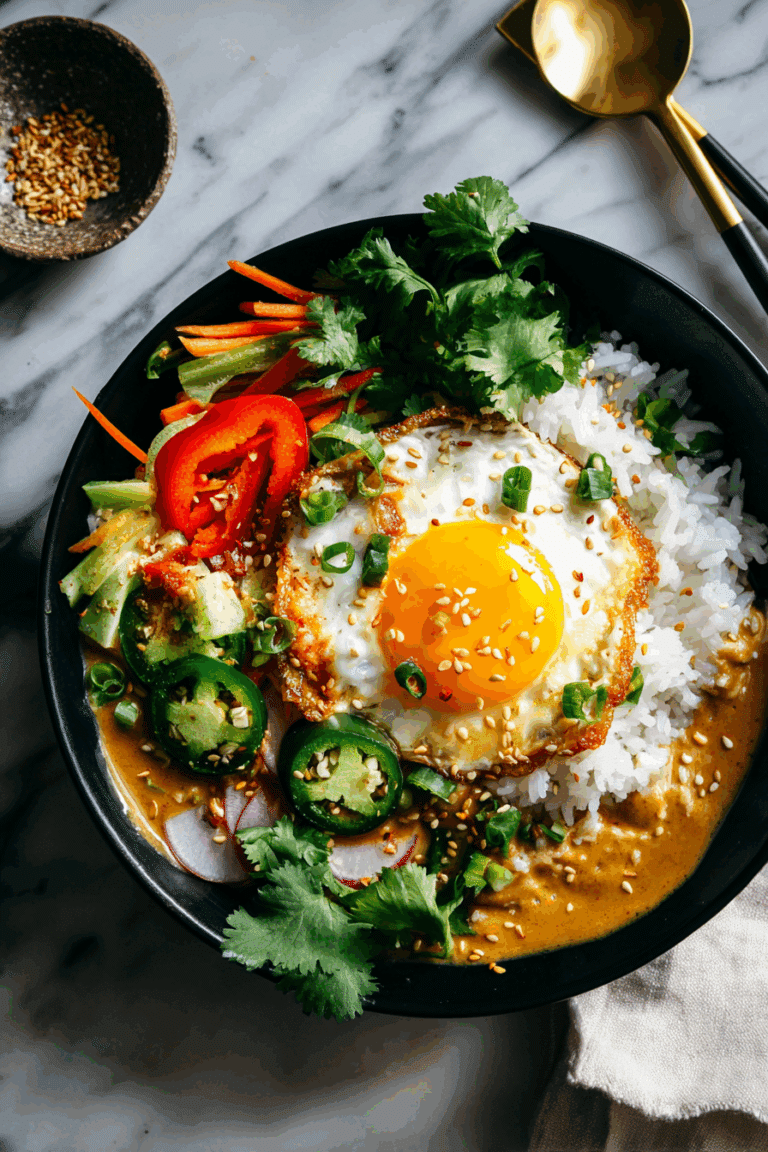
If you enjoy creating meal bowls, you can build a base of steamed jasmine rice, top it with sautéed vegetables, add your choice of protein, and drizzle the sauce over everything. The heat from the rice warms the sauce slightly which helps it blend into every layer of the bowl. Add sliced cucumbers, chili flakes, or fresh herbs like cilantro to bring contrast and freshness.
For parties or family gatherings, this sauce can also be part of a build your own stir fry bar. Set out bowls of vegetables, proteins, rice, and noodles. Keep the sauce on the side in a warm container. Everyone can build their own plate, and the sauce ties all the components together. This idea works especially well when cooking for people with different tastes since each person can adjust how much sauce they want.
These serving suggestions are meant to help you explore how versatile your homemade sauce can be. Whether you enjoy it over noodles, rice, vegetables, or grilled dishes, there is always a way to make it shine.
Conclusion
A good sauce can transform simple ingredients into a meal that feels lively, balanced, and satisfying. The sauce you just learned to prepare is one of those kitchen staples that brings warmth, comfort, and brightness to almost anything you cook.
Throughout this article, you explored its ingredients, cooking steps, variations, serving ideas, storage methods, and even the cultural influences that shaped it. The journey from raw ingredients to a flavorful final result is part of the fun, and every time you make it, you become more familiar with what you enjoy in your own cooking.
This recipe is designed to be approachable, comforting, and flavorful whether you cook frequently or only occasionally. The more you experiment, the more you will discover small adjustments that make the sauce feel like your own. You can make it sweeter, tangier, thicker, or more delicate depending on what you serve it with. It is the kind of recipe that invites creativity while still being simple enough to prepare on short notice.
FAQs
Can I use this sauce as a dip even if it was designed for stir frying?
Definitely. Even though the recipe was created for pan cooked meals, it works just as well as a dipping sauce. Spring rolls, fried wontons, crispy tofu, and chicken bites all pair beautifully with its sweet and tangy flavor. If you prefer a thinner dipping texture, you can add a splash of water and warm it slightly. If you want a sweeter dip, add a pinch of sugar and stir until smooth.
Is this sauce good for meal prep and weekly cooking?
Yes, this sauce is one of the easiest things to keep ready in your fridge for fast cooking. It stores well, lasts several days, and reheats nicely without losing flavor. You can use it for vegetables, rice, noodles, chicken, tofu, or even roasted sides. Having it ready in advance helps you build quick meals that still taste full and complete. Just store it in a clean sealed jar so the aroma and flavor stay fresh.
Can I adjust the sweetness or tanginess without ruining the texture?
Yes, absolutely. You can change the flavor without affecting the consistency as long as you make small adjustments. If you want more sweetness, add a tiny bit of sugar at a time and warm the sauce gently so everything dissolves smoothly. If you want more tanginess, add a splash of vinegar in small increments. Tiny changes keep the sauce balanced and prevent any harsh or overwhelming flavors.
What makes this sauce different from the bottled versions at the store?
Homemade versions usually taste brighter and cleaner because you control every ingredient. Store bought bottles often contain preservatives, artificial coloring, or extra sodium to keep them shelf stable. When you make your own sauce, the balance of sweet, salty, and tangy flavors comes through more clearly, and you can adjust the flavor any way you like. It also lets you skip additives if you prefer a simpler and fresher option.
Sweet and Sour Sauce for Stir Fry
- Prep Time: 2 minutes
- Cook Time: 3 minutes
- Total Time: 5 minutes
- Yield: Approximately 1/2 cup of sauce 1x
- Category: Sauce
- Method: Stovetop
- Cuisine: Asian
- Diet: Halal
Description
A simple homemade sweet and tangy stir fry sauce made with pantry ingredients, perfect for vegetables, chicken, tofu, noodles, and spring rolls.
Ingredients
- 2 tbsp light soy sauce
- 2 tbsp oyster sauce
- 4 tbsp white sugar
- 2 tbsp rice vinegar
- 2 tbsp tomato ketchup
- 1 tbsp water
Instructions
- Add soy sauce, oyster sauce, sugar, rice vinegar, ketchup, and water to a small saucepan.
- Set over low to medium heat and stir until the sugar dissolves completely.
- Let the sauce gently warm for 1 to 2 minutes without boiling.
- Remove from heat and let cool before storing, or use immediately in your stir fry.
Notes
- Warm the sauce gently to avoid altering the flavor.
- Adjust sweetness or tanginess by adding small amounts of sugar or vinegar.
- Store in a sealed jar in the refrigerator for several days.
- Can be used as a dip, glaze, or stir fry finishing sauce.
Nutrition
- Serving Size: 1 tablespoon
- Calories: 28
- Sugar: 4g
- Sodium: 220mg
- Fat: 0g
- Saturated Fat: 0g
- Unsaturated Fat: 0g
- Trans Fat: 0g
- Carbohydrates: 6g
- Fiber: 0g
- Protein: 0g
- Cholesterol: 0mg
Keywords: stir fry sauce, sweet and sour, homemade sauce, Asian cooking, Thai style sauce


I have been absent for some time, but now I remember why I used to love this web site. Thank you, I’ll try and check back more frequently. How frequently you update your site?