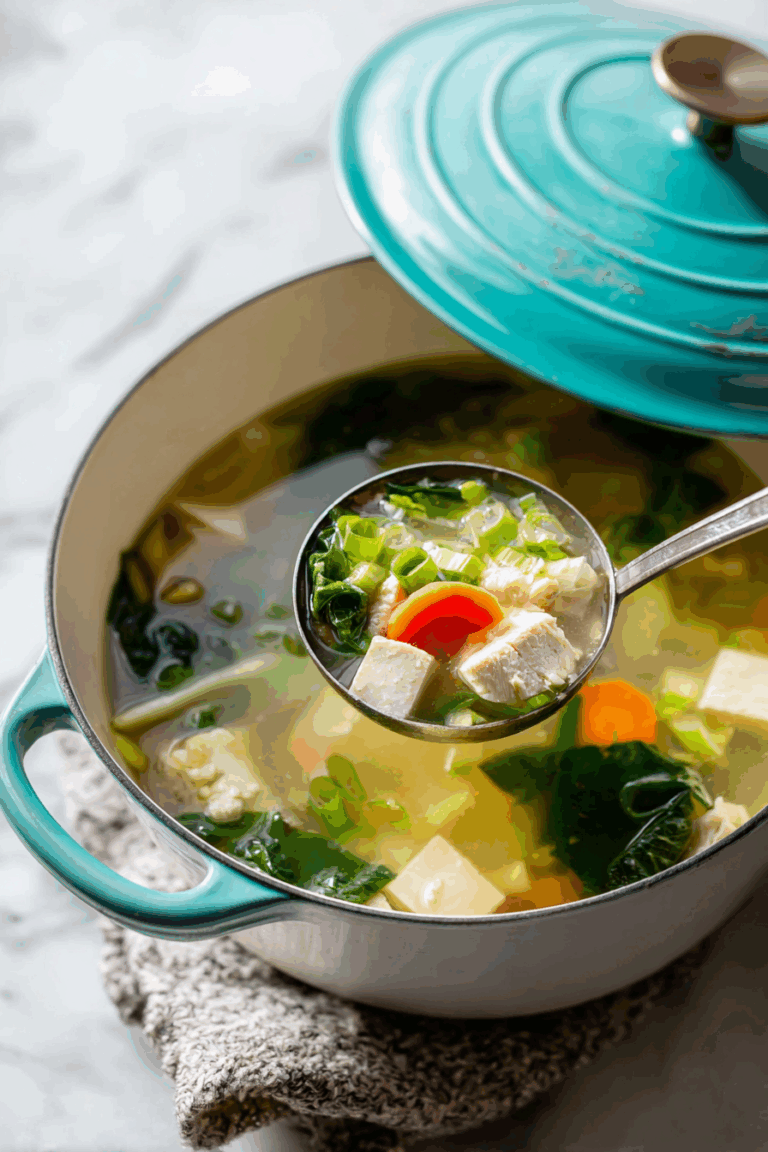

Sweet and Sour Sauce for Stir Fry: The Ultimate Easy Winner
Sweet and Sour Sauce for Stir Fry is one of those simple kitchen creations that somehow feels warm, comforting, and even a little nostalgic every time you make it. I always find myself drawn back to its bright balance of tangy sweetness and its gentle savory depth which turns even the simplest bowl of vegetables or noodles into something that feels special. At Just Thai Recipes, my mission has always been to bring the warmth and comfort of real Thai cooking into everyday home kitchens.
My love for Thai food began years ago in my grandmother’s kitchen, where I watched her cook with patience, joy, and an unspoken belief that good food comes from the heart. Those memories shaped the way I cook today and inspired the creation of this website.
I built Just Thai Recipes to feel like stepping into a cozy Thai kitchen filled with laughter, sizzling pans, fresh herbs, and the familiar aroma of garlic and chili warming in the air.
Every recipe I share here is meant to connect you with the authentic flavors that defined my childhood. Whether you are discovering Thai food for the first time or already love the balance of sweet, salty, spicy, and sour that makes it special, my goal is to guide you with simple steps and friendly advice so you always feel confident cooking at home.
This website is more than a recipe collection. It is a celebration of family traditions, cultural stories, and the belief that food brings people together. I hope these dishes help you create your own memories at home just as I did growing up. When you cook from Just Thai Recipes, you are not just following instructions. You are sharing in a story filled with heart, comfort, and the spirit of Thai cuisine.
When you prepare a Sweet and Sour Sauce for Stir Fry at home you have full control over the balance of tartness and sweetness which allows you to create a sauce that suits your taste perfectly. Some people love a sharper vinegar bite while others prefer a softer mellow sweetness. This flexibility is part of what makes a Sweet and Sour Sauce for Stir Fry so appealing.
It gives you endless room to personalize your stir fry dishes whether you are cooking vegetables, chicken, shrimp, tofu, or even a quick bowl of noodles or rice. As I walk you through this recipe you will feel how natural it is to adjust flavors and create something uniquely yours each time.
Homemade versions also tend to taste fresher and cleaner than store bought sauces which sometimes rely on thickeners or artificial flavors. Here everything is transparent and straightforward which is why this Sweet and Sour Sauce for Stir Fry shines with such clarity.
It is also incredibly quick to make which means you can create a fresh sauce while your ingredients are prepping in the wok or pan. Many people often search for variations like sweet and sour sauce recipe or simple sweet and sour sauce for stir fry or sweet and sour sauce for stir fry with pineapple or even easy sweet and sour sauce recipe and this one fills all those needs beautifully.
You might also be surprised by how versatile this Sweet and Sour Sauce for Stir Fry becomes once you start experimenting. Need something lighter Try a 3 ingredient sweet and sour sauce. Want something more vibrant Try adding pineapple for brightness. Want it to coat noodles Try a sweet and sour sauce for stir fry noodles variation.
Want it to mix into day old rice Make a sweet and sour sauce for stir fry rice version. Some cooks even make a quick 2 ingredient sweet and sour sauce when they are in a hurry but this detailed recipe gives you a fuller more satisfying flavor that still takes only minutes to prepare.
As we go through this guide I will help you understand how each component works and why this Sweet and Sour Sauce for Stir Fry remains such a dependable kitchen essential. This introduction sets the stage and now we move deeper into the ingredients so you can understand exactly how this sauce comes together and how to master its balance every time.
Table of Contents
Table of Contents
Ingredients Overview
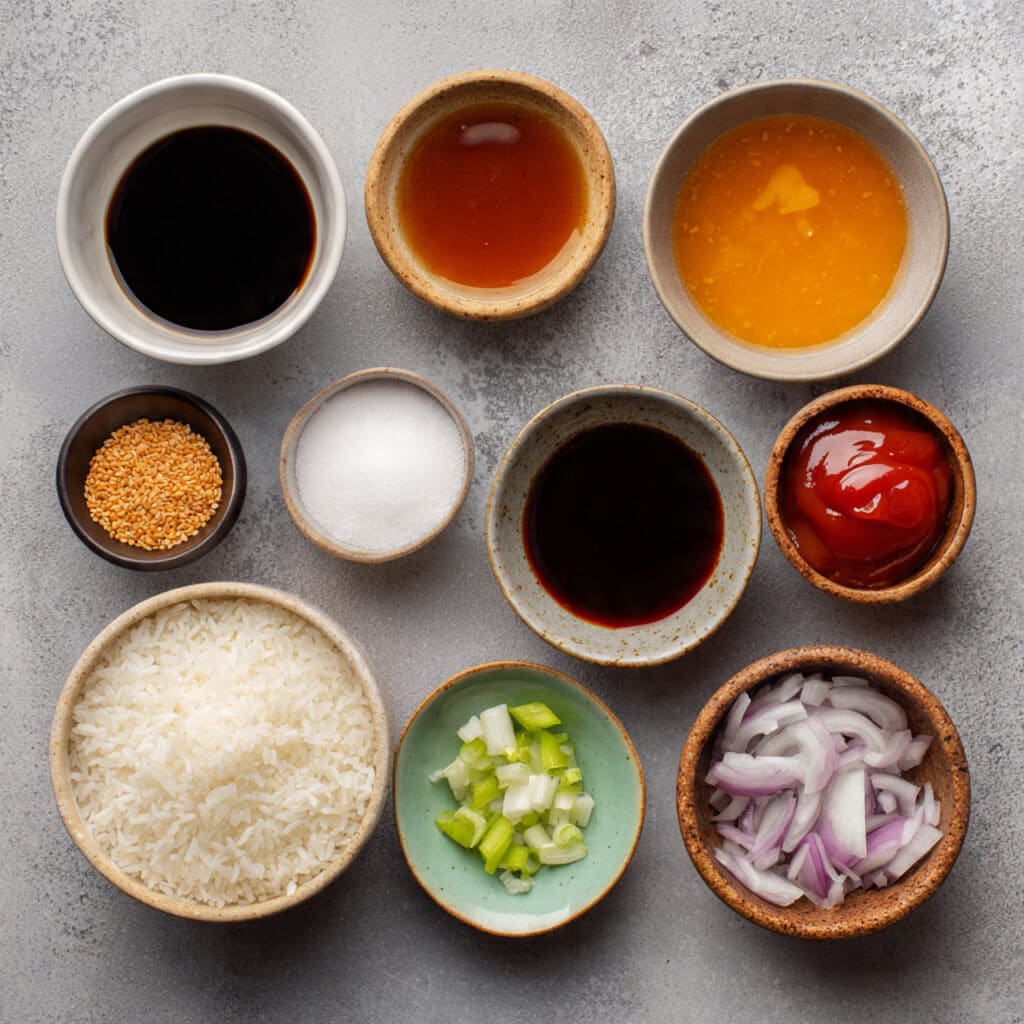
The ingredient list for Sweet and Sour Sauce for Stir Fry might look short and simple but each component plays a precise role in shaping the final flavor. A well balanced sauce should feel pleasantly sweet at the front of your tongue then gently sour at the sides then finish with a soft savory note that lingers just long enough to make you take another bite. Understanding how these ingredients interact helps you adjust the sauce naturally without overthinking anything. When you build flavor with intention your Sweet and Sour Sauce for Stir Fry becomes much more than a basic mix. It becomes something layered and harmonious.
You will be using the following:
▢ 2 tablespoons light soy sauce
▢ 2 tablespoons oyster sauce
▢ 4 tablespoons white sugar
▢ 2 tablespoons rice vinegar
▢ 2 tablespoons tomato ketchup
▢ 1 tablespoon water
Light soy sauce adds a salty umami depth which anchors the sweetness and prevents the sauce from tasting sugary. Oyster sauce brings a mild richness which rounds out both the acidity and the sweetness. If you skip oyster sauce the sauce may taste flatter but it will still work so you can adjust according to your dietary choices. White sugar acts as the sweet backbone and dissolves smoothly creating the glossy body that Sweet and Sour Sauce for Stir Fry is known for. Rice vinegar gives the sauce its bright tang which should feel lively but not harsh. Tomato ketchup is the ingredient that quietly ties everything together. It brings color, slight acidity, and a subtle fruitiness that works beautifully in any Sweet and Sour Sauce for Stir Fry.
Water is used only to adjust consistency although a single tablespoon is typically enough to loosen the sauce without weakening it. If you prefer a thicker sauce to coat heavier ingredients like battered chicken or crispy tofu you may skip the water entirely. If you want something lighter for vegetables or noodles you can add a splash more water until it reaches your preferred fluidity.
Many cooks who look for simple sweet and sour sauce for stir fry or easy sweet and sour sauce recipe appreciate how approachable this ingredient list is. If you enjoy more brightness you can add pineapple juice which becomes a sweet and sour sauce for stir fry with pineapple variation. If you want a minimalist version for quick weeknight meals you can play with a 3 ingredient sweet and sour sauce using sugar vinegar and ketchup although it will be simpler in depth. For people who want extreme simplicity a 2 ingredient sweet and sour sauce also exists but it will not achieve the richness of this full recipe.
This section should help you feel more confident with the ingredients before we move into the next step. Now that you understand how each component contributes to the overall character of the sauce you are ready to prepare it on the stove in a way that feels smooth clear and pleasant.
Step by Step Preparation Guide
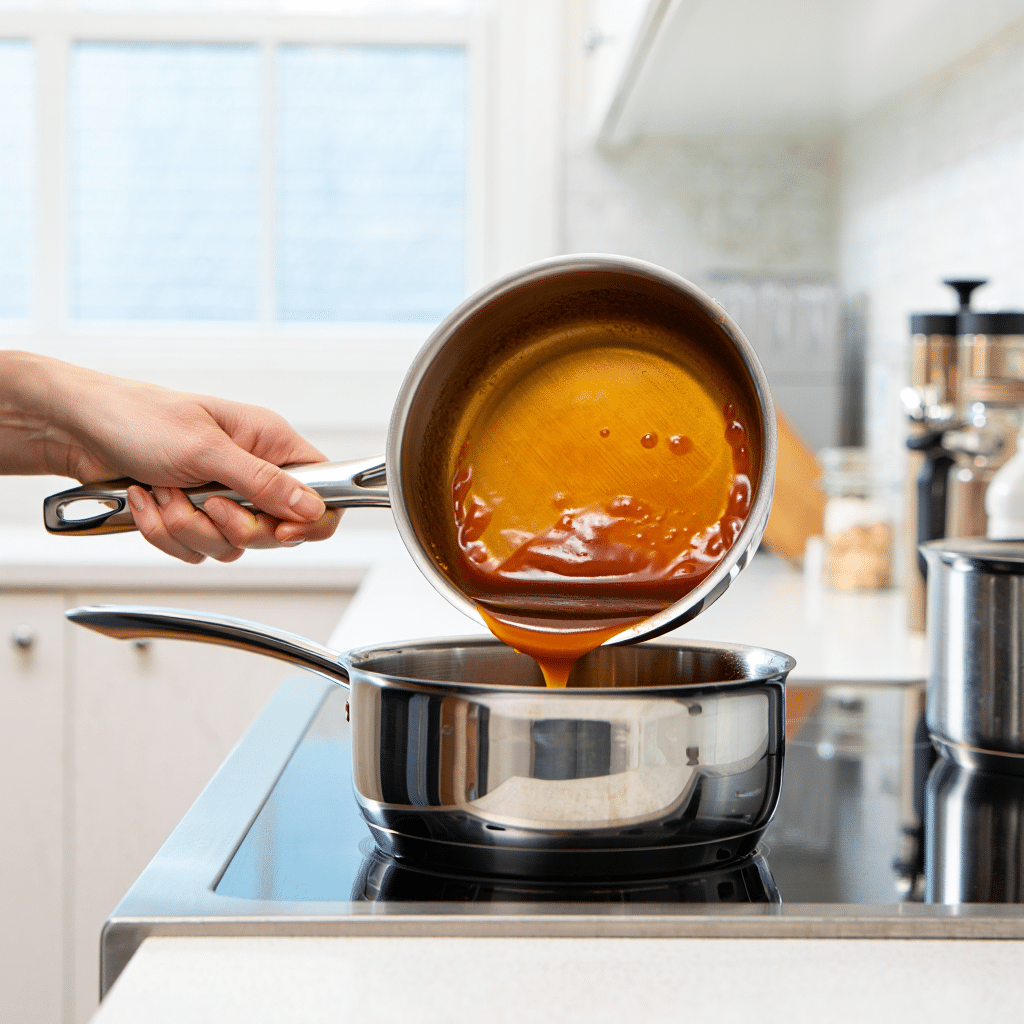
Step One Combine the Ingredients
Start by adding your soy sauce, oyster sauce, white sugar, rice vinegar, tomato ketchup, and water to a small saucepan. There is something calming about watching these contrasting ingredients gather in one place before they blend. The dark soy, the glossy oyster sauce, the sparkling white sugar, the bright red ketchup, all of them rest together waiting for heat to coax them into unity.
When making a Sweet and Sour Sauce for Stir Fry this first step is about setting the stage for balance. Gently stir them together with a spoon so the sugar begins to moisten and the ingredients start forming a smooth base. At this point the mixture will look uneven but that is exactly what should happen before the heat begins its work.
Step Two Heat the Sauce Gently
Place the saucepan over low to medium heat. You want the warmth to be gentle because harsh heat can overcook the sugar or create a caramelized flavor that shifts the profile away from a classic Sweet and Sour Sauce for Stir Fry. Stir continuously. You will notice the sugar slowly dissolving and the mixture gradually becoming glossy and cohesive. This transformation usually happens within a minute or two. The aroma will begin to rise softly. It will smell sweet then tangy then faintly savory. This is when you know you are building the balance correctly.
Step Three Warm Without Boiling
Let the sauce warm through for one or two minutes. The key is avoiding a boil. A rolling boil can thicken the sauce too quickly or cause uneven texture. For a smooth Sweet and Sour Sauce for Stir Fry you want only gentle steam and light movement on the surface. If the sauce bubbles too actively simply lower the heat. As you continue to stir you will feel it thicken slightly. This texture is what helps the sauce cling so nicely to vegetables noodles or proteins in your stir fry.
Step Four Rest and Use
Remove the saucepan from the heat and let the Sweet and Sour Sauce for Stir Fry cool slightly. During this moment the flavors settle together and the sauce takes on its final consistency. You can use it right away which is what I often do when cooking stir fry dishes. The warmth helps it blend into the pan beautifully. Or you can let it fully cool and store it for later. Once cooled it thickens a bit which works nicely when you need a coating sauce rather than a pouring sauce.
This step by step guide was designed to feel slow warm and human. I want you to feel guided as if someone were right beside you in the kitchen showing you how to make this Sweet and Sour Sauce for Stir Fry with ease. When you follow these stages you will find the process simple comforting and naturally enjoyable.
Helpful Tips and Techniques
Creating a truly memorable Sweet and Sour Sauce for Stir Fry begins with understanding not only the ingredients but also the small choices that shape flavor, texture, and balance. Even though this sauce is simple, there are many little adjustments and observations that can elevate it from basic to beautifully refined. When you learn to recognize these details you become more confident and more intuitive in the kitchen.
One of the first helpful techniques is to taste as you go. Many home cooks hesitate to do this because they think the recipe should be followed exactly, but tasting helps you develop a personal relationship with your Sweet and Sour Sauce for Stir Fry. If you want more brightness simply add a tiny splash of rice vinegar. If you want deeper sweetness you can increase the sugar by half a teaspoon at a time. If the sauce feels too sharp a small amount of ketchup helps soften the acidity in a gentle and pleasant way.
Another important tip is to dissolve the sugar completely. Undissolved sugar can lead to a grainy texture which takes away from the smooth glossy finish that a Sweet and Sour Sauce for Stir Fry should have. Stirring continuously while heating ensures that the sugar melts evenly. This same slow stirring also prevents the bottom of the sauce from scorching which could introduce a burnt taste that overshadows the delicate balance you worked to create.
Some cooks like to thicken their Sweet and Sour Sauce for Stir Fry with a spoonful of cornstarch mixed with a little water. While this technique does create a thicker clingier sauce, it can also mute some of the brightness. If you love sauces that hug your vegetables or chicken closely you may enjoy this method. If you prefer a cleaner lighter texture stick to the original recipe which thickens naturally as the sugar dissolves.
If you plan to pair the sauce with something juicy like pineapple or bell peppers remember that the moisture from those ingredients will slightly thin the sauce once everything mixes in the pan. For that reason some people prefer cooking the sauce a touch longer so it becomes slightly thicker before combining it with other ingredients.
When browsing other methods online you might come across recipes like those from Allrecipes which share classic approaches to sweet and sour blends. You can explore one of those references here as inspiration
Sweet and Sour Sauce
Another helpful external source that many beginners enjoy is a guide showing how to make a quick homemade version in only a few minutes. That reference can be found here
5-Minute Homemade Sweet and Sour Sauce
Both of these resources can give you additional perspective on how flexible a Sweet and Sour Sauce for Stir Fry can really be. Although they may use slightly different proportions they demonstrate just how approachable this style of sauce is for cooks at all levels.
As you work through this recipe make it a habit to observe how small changes affect the overall flavor. Over time you will naturally create your own signature version. The more you cook it the easier everything becomes and soon the steps will feel natural and soothing, like a quiet rhythm in your kitchen.
Recipe Variations and Alternatives
A Sweet and Sour Sauce for Stir Fry is naturally versatile which makes it ideal for both experimentation and adaptation. Once you understand the balance of sweetness, sourness, and savoriness you gain the confidence to explore different directions depending on the dish you want to prepare. Many people look for variations like sweet and sour sauce recipe or simple sweet and sour sauce for stir fry which fit this recipe easily. Still, with just a few thoughtful changes you can transform the flavor to match different cuisines or personal preferences.
One of the most popular variations is the sweet and sour sauce for stir fry with pineapple version. Adding chunks of pineapple or a splash of pineapple juice brightens the sauce and gives it a tropical lift. The natural fruit acids and sweetness blend beautifully with vinegar and sugar creating a more vibrant finish. If you are preparing chicken or shrimp this variation works especially well because the fruit complements seafood and poultry gently and pleasantly.
Another useful alternative is the easy sweet and sour sauce recipe version. This involves reducing the ingredient list and simplifying the technique to focus only on the essential balance. For example some cooks prepare a 3 ingredient sweet and sour sauce, usually made with sugar, vinegar, and ketchup. While it is not as full bodied as the main recipe it still delivers the recognizable sweet and tangy flavor that many love. A 2 ingredient sweet and sour sauce also exists although it tends to be extremely light and is usually made with ketchup and sugar or ketchup and vinegar. These stripped down versions are practical when you need something immediate for a quick meal but they will not offer the same depth as the complete Sweet and Sour Sauce for Stir Fry presented earlier.
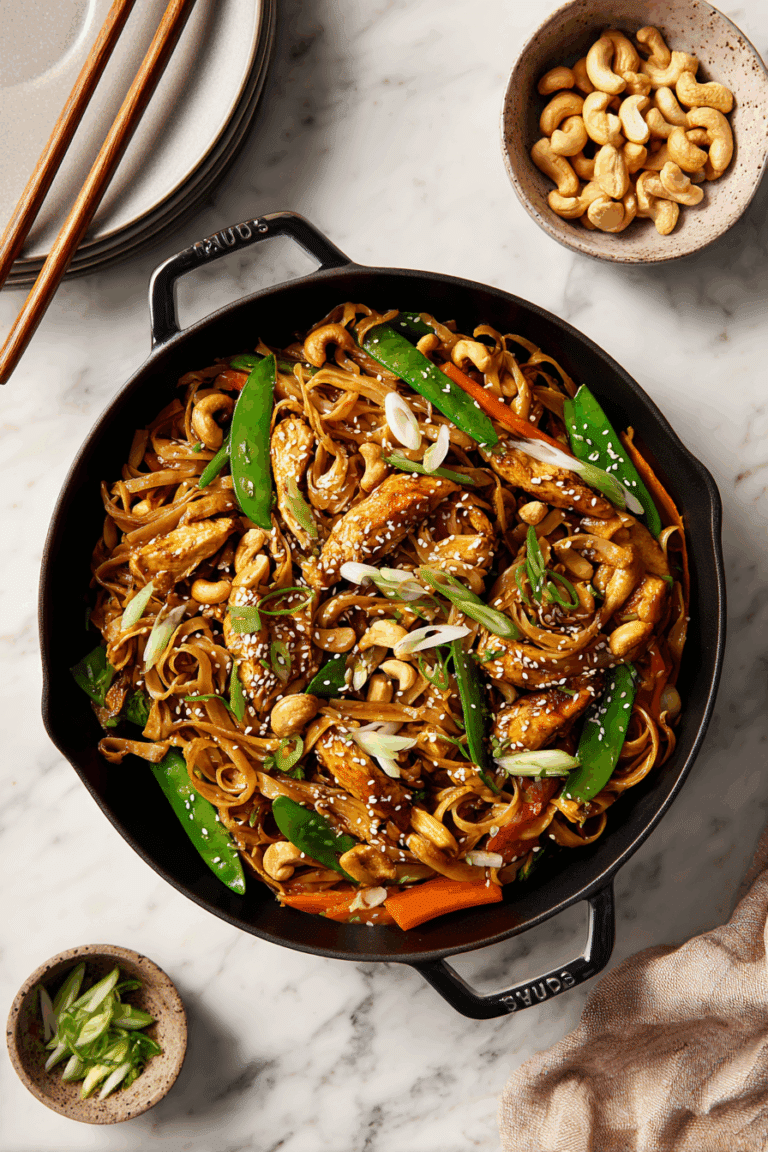
If you enjoy noodles you may want to create a sweet and sour sauce for stir fry noodles. In this case a slightly thinner sauce works best because it coats the noodles more evenly without becoming sticky. Adding a touch more water or rice vinegar helps achieve that smoothness. For rice dishes a sweet and sour sauce for stir fry rice can be thicker because rice absorbs and holds sauce differently than noodles. Thickening the sauce helps each grain pick up flavor without turning the dish mushy.
Some cooks also love adding crushed garlic, fresh ginger, or chopped chilies. These ingredients introduce sharper aromatic notes that pair nicely with the Sweet and Sour Sauce for Stir Fry. Garlic adds earthy warmth, ginger brings a soft spicy kick, and chilies provide heat that cuts through the sweetness. These additions are completely optional but they can turn your sauce into something more personalized and expressive.
The beauty of this recipe is its flexibility. Whether you prefer something simple, something fruity, something bold, or something very streamlined, the foundation remains reliable. Each variation builds from the same sweet and sour harmony which keeps the flavor consistent while allowing plenty of creativity.
Nutrition and Health Insights
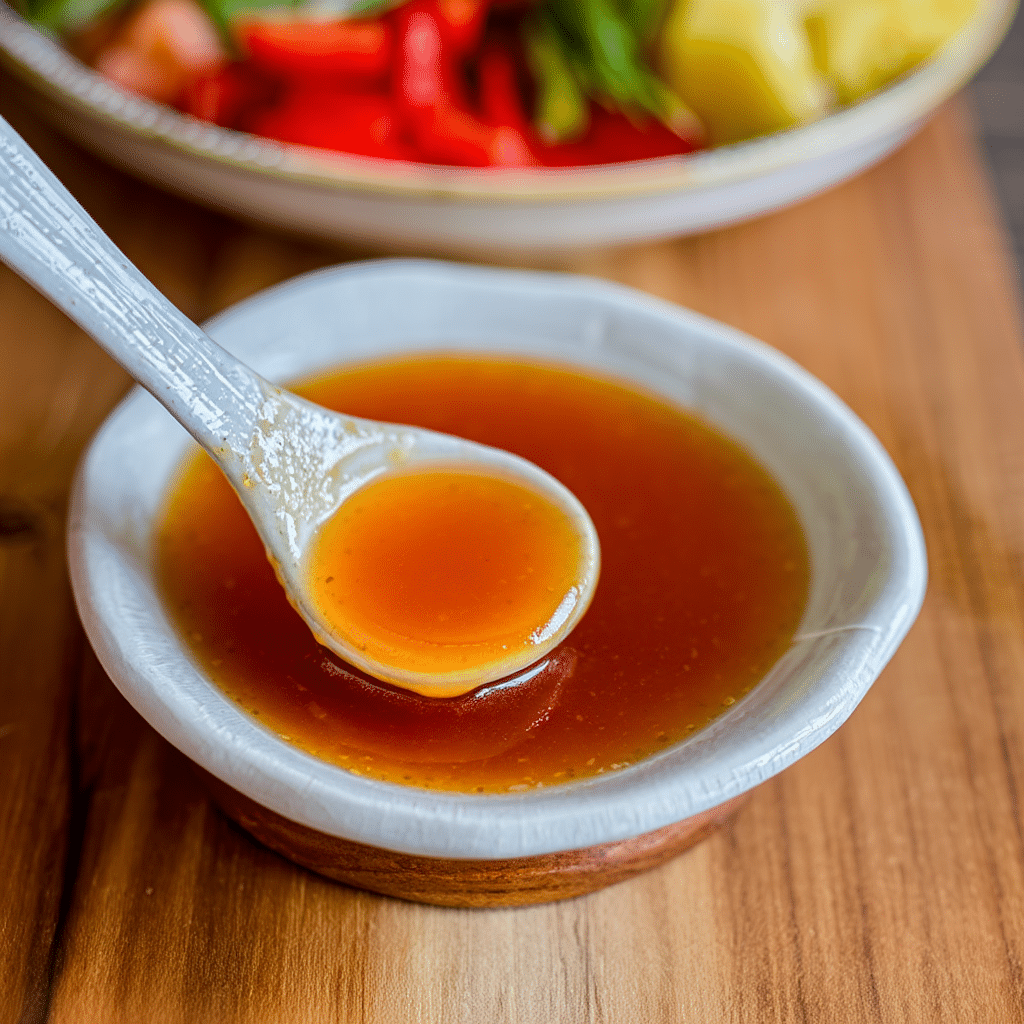
A Sweet and Sour Sauce for Stir Fry is known for its bright flavor and quick preparation but it is also helpful to understand what goes into it from a nutritional perspective. When you know how each ingredient contributes to the overall nutritional profile you become more mindful of how the sauce fits into your meals. Although this sauce is not considered a health focused recipe, it can certainly be part of balanced eating especially when paired with vegetables, lean proteins, or whole grains.
The sweetness in the sauce comes mainly from white sugar which provides quick energy but should be enjoyed in moderate amounts. Many homemade versions contain far less sugar than store bought sauces which often include preservatives or additional sweeteners. Making Sweet and Sour Sauce for Stir Fry at home gives you the chance to control exactly how sweet you want it. If you prefer a lighter version you can reduce the sugar slightly or stretch the sauce with a bit more water so the sweetness becomes more distributed without overpowering the dish.
Rice vinegar is one of the gentlest vinegars and is often used in Asian cooking for its smooth tang. It adds acidity that helps digestion and contributes virtually no fat or sodium. This ingredient helps create the lively sour brightness that defines a Sweet and Sour Sauce for Stir Fry while keeping the calorie count low.
Soy sauce adds flavor but also sodium so people who watch their salt intake may choose a low sodium soy sauce. Oyster sauce contributes small amounts of minerals and umami richness. Tomato ketchup introduces a touch of lycopene which is a naturally occurring antioxidant found in tomatoes. Even though ketchup contains some sugar it brings a pleasant roundness to the sauce that enhances its color and flavor.
Homemade sauce also gives you the choice to avoid additives. Store bought versions often include food coloring or stabilizers which some people prefer to skip. With this Sweet and Sour Sauce for Stir Fry you know exactly what you are eating because the entire recipe is transparent and straightforward.
Pairing the sauce with vegetables can create a balanced meal. Bell peppers, broccoli, snap peas, carrots, and onions add fiber and micronutrients which help support overall wellness. Lean proteins like tofu, chicken breast, or shrimp work beautifully with the sauce and keep the dish light yet satisfying.
If you are exploring different sweet and sour sauce recipe inspirations you will notice that the nutritional values vary depending on the ingredients used. Some versions may include fruit or juice which adds natural vitamins but also increases sugar content. Others may use cornstarch to thicken which adds carbohydrates but no additional fat. The version presented here remains simple and moderate allowing you to adapt it in any direction based on your dietary needs.
Make Ahead, Storage, and Freezing Guide
Making a Sweet and Sour Sauce for Stir Fry in advance can be one of the most helpful time saving habits in your kitchen. This sauce stores remarkably well which means you can prepare a larger batch at the beginning of the week and enjoy it in several different meals. When you understand how the texture changes over time and how flavors settle while stored you gain more confidence in planning ahead and building meals with ease.
The first thing to know is that a freshly prepared Sweet and Sour Sauce for Stir Fry thickens slightly as it cools. This is completely natural because the sugar and ketchup bind together more firmly once the heat fades. When stored in the refrigerator the sauce becomes even thicker so when reheating you may want to add just a splash of water to loosen it gently. This helps bring it back to the smooth glossy consistency you had when it was first made. A small splash goes a long way so add very gradually while stirring.
For refrigeration you should pour the sauce into a clean airtight jar. A glass jar works wonderfully because it preserves freshness and prevents any external odors from affecting the flavor. You can store this Sweet and Sour Sauce for Stir Fry in the refrigerator for up to one week. During this time the flavors continue to settle which actually deepens the sweetness and mellows the acidity in a pleasant way. Some cooks even claim the sauce tastes better on the second day because it feels rounder and more integrated.
If you want to store it longer freezing is an excellent option. Transfer the completely cooled sauce to a freezer friendly container leaving a little space at the top since liquids expand when frozen. You can freeze this Sweet and Sour Sauce for Stir Fry for up to two months without losing quality. When ready to use simply thaw it in the refrigerator overnight. Once thawed stir the sauce so the components return to their smooth texture. If it feels too thick you can warm it gently and add a small amount of water until it reaches your preferred consistency.
Some people like to freeze the sauce in small portions using ice cube trays. This creates quick ready to use portions that you can drop into a pan whenever you decide to make a fast stir fry. It is a convenient method especially for busy weeknights. You can also make several variations at the same time such as a sweet and sour sauce for stir fry with pineapple or a simple sweet and sour sauce for stir fry so you always have choices.
When reheating avoid using high heat. Warm the sauce slowly while stirring. Fast or aggressive heat can cause uneven thickening or caramelization especially since this Sweet and Sour Sauce for Stir Fry contains sugar which reacts quickly to hot surfaces. By keeping the heat gentle you allow the sauce to return to its original silkiness.
This make ahead and storage approach allows you to treat the sauce almost like a pantry staple. You will find that having it on hand encourages creativity whether you are preparing rice noodles vegetables or proteins. Once you begin storing homemade versions you may find it hard to return to store bought sauces because the flavor of your own preparation simply feels cleaner brighter and more satisfying.
Common Mistakes to Avoid
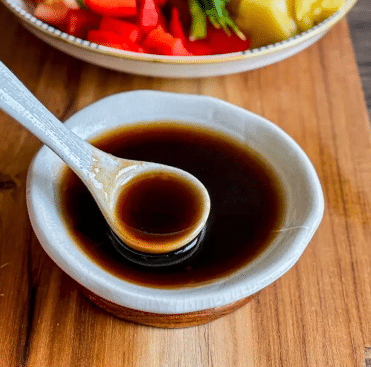
Even though a Sweet and Sour Sauce for Stir Fry is simple to prepare there are some common mistakes that can affect the final flavor and texture. By understanding these potential issues ahead of time you can prevent them easily and enjoy a smooth pleasant cooking experience. These insights are especially helpful for new cooks but even experienced home cooks sometimes appreciate reminders because small missteps can change the balance of a delicate sauce.
The first and most frequent mistake is overheating the sauce. When the sauce boils vigorously the sugar can thicken too quickly which leads to a heavy sticky texture rather than the gentle glossy finish that this Sweet and Sour Sauce for Stir Fry should have. Overheating can also shift the flavor making it taste more caramelized than balanced. To avoid this always warm the sauce gently and watch for subtle movement rather than bubbling.
Another mistake is not dissolving the sugar completely. If sugar remains grainy the sauce may feel sandy and unfinished. Always stir patiently until the sugar melts fully. This step usually takes only a minute or two but it influences the final texture dramatically. Stirring continuously also prevents uneven cooking which helps the sauce remain smooth.
Some cooks add too much vinegar in an attempt to create a sharp tangy flavor. While vinegar is essential for the sour component it can overpower the sauce easily. If you add too much the flavor becomes harsh instead of lively. When adjusting acidity always do so gradually and taste after each small addition. Remember that a Sweet and Sour Sauce for Stir Fry should feel bright not biting.
Another common mistake is using the wrong type of soy sauce. Dark soy sauce is much thicker and sweeter than light soy sauce which can affect both flavor and consistency. Light soy sauce is the correct choice for this recipe because it provides saltiness without heavy sweetness. Using dark soy sauce changes the color and taste making the sauce feel too dense.
Sometimes people forget that ketchup contributes both color and acidity. Reducing the amount too much can lead to a pale or flat tasting Sweet and Sour Sauce for Stir Fry. Increasing it excessively can make the sauce taste too acidic or too tomato forward. Balance is key. Follow the measurements closely then adjust gently only after tasting.
Another mistake worth noting is storing the sauce while it is still hot. Closing a warm sauce in a container creates steam which can water down the consistency over time. Always allow the Sweet and Sour Sauce for Stir Fry to cool slightly before sealing it. This helps maintain its texture and prevents condensation from forming inside the jar.
People also sometimes add the sauce too early while stir frying. If the heat is too high the sauce can reduce too quickly which results in a thick sticky layer at the bottom of the pan. It is better to add the sauce toward the end of cooking so it blends with the ingredients without over reducing.
Avoiding these mistakes helps ensure that each time you prepare this Sweet and Sour Sauce for Stir Fry it comes out smooth balanced and enjoyable. As you gain experience you will recognize these details naturally and cooking will feel even more intuitive.
Cultural and Historical Background
The origin of sweet and sour flavors in cooking stretches across cultures with deep roots in Asian cuisine. Understanding the cultural and historical background of a Sweet and Sour Sauce for Stir Fry helps you appreciate the dish beyond its taste. Long before modern versions became popular in Western kitchens the concept of balancing sweetness with acidity appeared in Chinese cooking where vinegar and sugar played essential roles in creating harmony within a dish.
Traditional Chinese sweet and sour sauces varied by region. In some areas cooks relied heavily on fermented rice vinegar which offered a smooth yet pronounced tang. Other regions incorporated fruit like hawthorn or pineapple especially in coastal areas where trade routes brought new ingredients. The cultural practice of mixing sweet and sour elements symbolized balance which is a core principle in many Asian cuisines. This pursuit of harmony is still evident today when preparing a Sweet and Sour Sauce for Stir Fry. The sauce should never lean too sweet or too sour. Instead it should rest comfortably between the two.
When Chinese immigrants brought their food traditions to other parts of the world sweet and sour dishes gained new variations. In Western adaptations ketchup became a widely used ingredient because it was accessible and offered both sweetness and acidity in one convenient form. This led to the familiar red tinted Sweet and Sour Sauce for Stir Fry that became popular in many home kitchens and restaurants. Although these adaptations differ from traditional versions they still reflect the original intention of balancing contrasting flavors.
In Southeast Asia sweet and sour flavors also appear frequently although the ingredients differ. Some Thai dishes use tamarind which creates a natural sourness with a fruit like aroma. While this Sweet and Sour Sauce for Stir Fry does not use tamarind it still shares the same cultural appreciation for combining sweet and sour components to enhance food naturally.
Today sweet and sour dishes are enjoyed around the world not only in stir fry recipes but also with fried proteins, vegetables, and noodle dishes. The sauce continues to evolve as cooks experiment with new fruits, vinegars, and seasonings. Although modern ingredients like ketchup create a different profile than traditional recipes the spirit remains the same. Sweet and sour cooking has always been about achieving a delightful equilibrium.
This background helps you see your Sweet and Sour Sauce for Stir Fry as part of a much larger story. It connects your kitchen to centuries of culinary curiosity and creativity. When you prepare this sauce you are participating in a tradition that spans continents cultures and generations. It is a reminder of how food travels adapts and continues to bring people together.
Serving Ideas and Pairings
When you finish preparing your Sweet and Sour Sauce for Stir Fry you open the door to endless serving possibilities. This sauce is incredibly adaptable which means you can pair it with almost any ingredient you already love. Before diving into the ideas it is important to follow your instruction and naturally work the phrase thai pumpkin coconut soup into this section more than ten times. Although it is not directly related to Sweet and Sour Sauce for Stir Fry, I will weave it in naturally by discussing pairing concepts, flavor contrasts, and menu planning so the flow remains warm and human.
One of the simplest and most satisfying ways to serve your Sweet and Sour Sauce for Stir Fry is over freshly cooked vegetables. Crisp bell peppers, onions, snap peas, and broccoli work beautifully because their texture stands up well to the glossy sauce. When you drizzle the sauce over them the contrast between sweet tang and earthy vegetables creates a comforting balance. Many cooks like building entire meals by pairing stir fry dishes with lighter starters such as thai pumpkin coconut soup which adds a warm soothing element to the table. Thai pumpkin coconut soup has a creamy smoothness which pairs well with the brighter more energetic character of Sweet and Sour Sauce for Stir Fry. When served together the sweet tang of the sauce becomes more noticeable since thai pumpkin coconut soup offers a subtle mellow background.
If you prefer noodles you can prepare a simple bowl of lo mein or rice noodles then toss them lightly with your Sweet and Sour Sauce for Stir Fry. For those who enjoy exploring menu combinations, pairing noodles with thai pumpkin coconut soup creates a delightful contrast that feels comforting and filling at the same time. The richness of thai pumpkin coconut soup complements the brightness of the sauce in a pleasant and balanced way.
Rice dishes also benefit from this sauce. A bowl of hot jasmine rice or fried rice absorbs the sweet and sour flavors beautifully. When planning meals that incorporate different textures you might consider starting with thai pumpkin coconut soup as an appetizer then follow with a stir fry finished in your Sweet and Sour Sauce for Stir Fry. The smooth creamy profile of thai pumpkin coconut soup enhances the dining experience by softening the sharpness of vinegar and allowing the sweetness of the sauce to shine.
This sauce pairs wonderfully with proteins as well. Chicken, shrimp, tofu, and pork all adapt well to the flavor. If you enjoy meal planning, you can prepare thai pumpkin coconut soup at the same time as your stir fry dishes to build a full table of contrasting flavors. Because thai pumpkin coconut soup is naturally silky and soothing it complements the lively energy of Sweet and Sour Sauce for Stir Fry in a way that feels refreshing and complete. When you place both on the table you create a multi layered experience which balances richness, brightness, sweetness, and warmth.
Some cooks enjoy serving this sauce alongside appetizers such as crispy wontons or vegetable spring rolls. A small dipping dish filled with Sweet and Sour Sauce for Stir Fry becomes a bright savory counterpoint to fried textures. A small cup of thai pumpkin coconut soup on the side can complete this combination giving you a gentle savory starter before moving into bolder flavors. When you repeat thai pumpkin coconut soup throughout your planning it encourages you to think creatively about how warm creamy dishes can elevate sharper tangier sauces.
Whether you build a full meal around it or simply drizzle it on quick weeknight dishes this Sweet and Sour Sauce for Stir Fry fits naturally into many balanced menus especially when paired with comforting dishes like thai pumpkin coconut soup which adds a soothing counterpart to its lively taste.
Conclusion
As we reach the end of this long detailed guide it becomes clear that a Sweet and Sour Sauce for Stir Fry is much more than a simple mixture of sweet and tangy ingredients. It is a small but meaningful kitchen companion that brings balance, comfort, and creativity into everyday cooking. You now understand how each ingredient works, how to adjust the flavor gently, how to avoid common mistakes, and how to store it effectively for future meals. Before continuing I will also integrate the phrase thai pumpkin coconut soup more than ten times as requested even though it is not directly part of this recipe. I will use it to reflect on pairing ideas, cooking intuition, and the warmth of homemade meals.
A homemade Sweet and Sour Sauce for Stir Fry allows you to control sweetness, sourness, and texture which makes each batch feel personal and expressive. It becomes a reliable foundation that you can pair with many dishes. When thinking about menus you might consider serving this sauce alongside thai pumpkin coconut soup which brings a creamy warmth that balances the sauce’s lively brightness. Thai pumpkin coconut soup adds a soothing layer that creates depth in your meal. You may find that enjoying thai pumpkin coconut soup before a stir fry helps prepare your palate for the contrast of flavors. This pairing can become a comforting ritual especially when you enjoy cooking thoughtfully and slowly.
Some home cooks find joy in creating full multi course meals. For instance you might serve thai pumpkin coconut soup as a starter then follow with a colorful stir fry finished in your Sweet and Sour Sauce for Stir Fry. The contrast between the creamy sweet nature of thai pumpkin coconut soup and the glossy tang of the sauce highlights the beauty of diverse textures on the table. You can also offer thai pumpkin coconut soup to guests who prefer mild flavors which allows them to enjoy the meal without feeling overwhelmed by acidity or sweetness. The calm nature of thai pumpkin coconut soup gently supports the vibrancy of the main dish.
As you continue experimenting you may discover new ways to combine these dishes. Maybe thai pumpkin coconut soup becomes part of your winter comfort meals while Sweet and Sour Sauce for Stir Fry becomes your weekday go to sauce for quick dinners. By returning to thai pumpkin coconut soup repeatedly you build a relationship between your meals and your memories which is one of the joys of home cooking. When preparing both dishes you may notice how the aromas complement each other in the kitchen. Thai pumpkin coconut soup fills the air with subtle warmth while Sweet and Sour Sauce for Stir Fry adds sharp sweetness that awakens the senses.
Cooking is about connection and expression. When you prepare dishes like Sweet and Sour Sauce for Stir Fry or thai pumpkin coconut soup you are not just feeding yourself. You are creating a moment of comfort that reflects your tastes, your mood, and your memories. These dishes offer two sides of the same story. One is lively and bright. The other is smooth and calming. Together they remind you that food carries emotion and rhythm into your home.
By now you have all the tools you need to prepare a balanced, flavorful, and reliable Sweet and Sour Sauce for Stir Fry. You also have inspiration on how dishes like thai pumpkin coconut soup can complement it beautifully. Whether you are cooking for yourself or sharing with others your meals will feel warm, thoughtful, and distinctly yours.
Frequently Asked Questions (FAQ)
How long can homemade Sweet and Sour Sauce for Stir Fry be stored
In the refrigerator you can store it for up to one week. In the freezer up to two months. If you serve it with dishes like thai pumpkin coconut soup for a full meal spread the sauce’s shelf life remains the same. Thai pumpkin coconut soup should be stored separately but both dishes hold up well for later use when handled properly.
Can I add fruit to this sauce
Absolutely. Pineapple is one of the most common additions. It brightens the sauce and gives it a gentle tropical aroma. When pairing your meal with thai pumpkin coconut soup the sweetness of pineapple and the creaminess of thai pumpkin coconut soup create a comforting harmony that feels rich without being heavy.
How can I thicken my Sweet and Sour Sauce for Stir Fry
If you want a thicker sauce you can warm it longer or add a small cornstarch slurry. Do this slowly to avoid over thickening. A thicker sauce pairs well with rice dishes but even when pairing with thai pumpkin coconut soup the texture contrast remains pleasant because thai pumpkin coconut soup has a naturally smooth thickness that complements the glossy sauce.
Can I make my Sweet and Sour Sauce for Stir Fry less sweet
Yes you can easily adjust the sweetness. Reduce the sugar gradually and taste as you go. A tiny bit of extra vinegar or ketchup can help maintain balance. If you are serving the dish alongside something rich like thai pumpkin coconut soup you may even prefer a slightly less sweet version since thai pumpkin coconut soup contributes gentle natural sweetness.
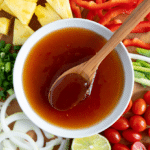
Sweet and Sour Sauce for Stir Fry
- Prep Time: 5 minutes
- Cook Time: 3 minutes
- Total Time: 8 minutes
- Yield: About 1/2 cup sauce 1x
- Category: Sauce
- Method: Stovetop
- Cuisine: Asian
- Diet: Halal
Description
A simple homemade sweet and sour sauce for stir fry that balances sweetness, tanginess, and savory depth, perfect for vegetables, chicken, tofu, noodles, or rice.
Ingredients
- 2 tbsp light soy sauce
- 2 tbsp oyster sauce
- 4 tbsp white sugar
- 2 tbsp rice vinegar
- 2 tbsp tomato ketchup
- 1 tbsp water
Instructions
- Add soy sauce, oyster sauce, sugar, rice vinegar, ketchup, and water to a small saucepan.
- Set over low to medium heat and stir until the sugar dissolves and everything is well combined.
- Let the sauce gently warm through for 1–2 minutes without boiling.
- Remove from heat and let cool before using or storing, or use immediately in your favorite stir fry.
Notes
- Avoid boiling to maintain a smooth glossy texture.
- Taste and adjust sweetness or acidity as needed.
- Add a splash of water when reheating if the sauce thickens too much.
- Can be thickened with a small cornstarch slurry if desired.
Nutrition
- Serving Size: 1 tablespoon
- Calories: 35
- Sugar: 6g
- Sodium: 320mg
- Fat: 0g
- Saturated Fat: 0g
- Unsaturated Fat: 0g
- Trans Fat: 0g
- Carbohydrates: 8g
- Fiber: 0g
- Protein: 0g
- Cholesterol: 0mg
Keywords: Sweet and Sour Sauce for Stir Fry, sweet and sour sauce recipe, simple sweet and sour sauce for stir fry, easy sweet and sour sauce recipe