
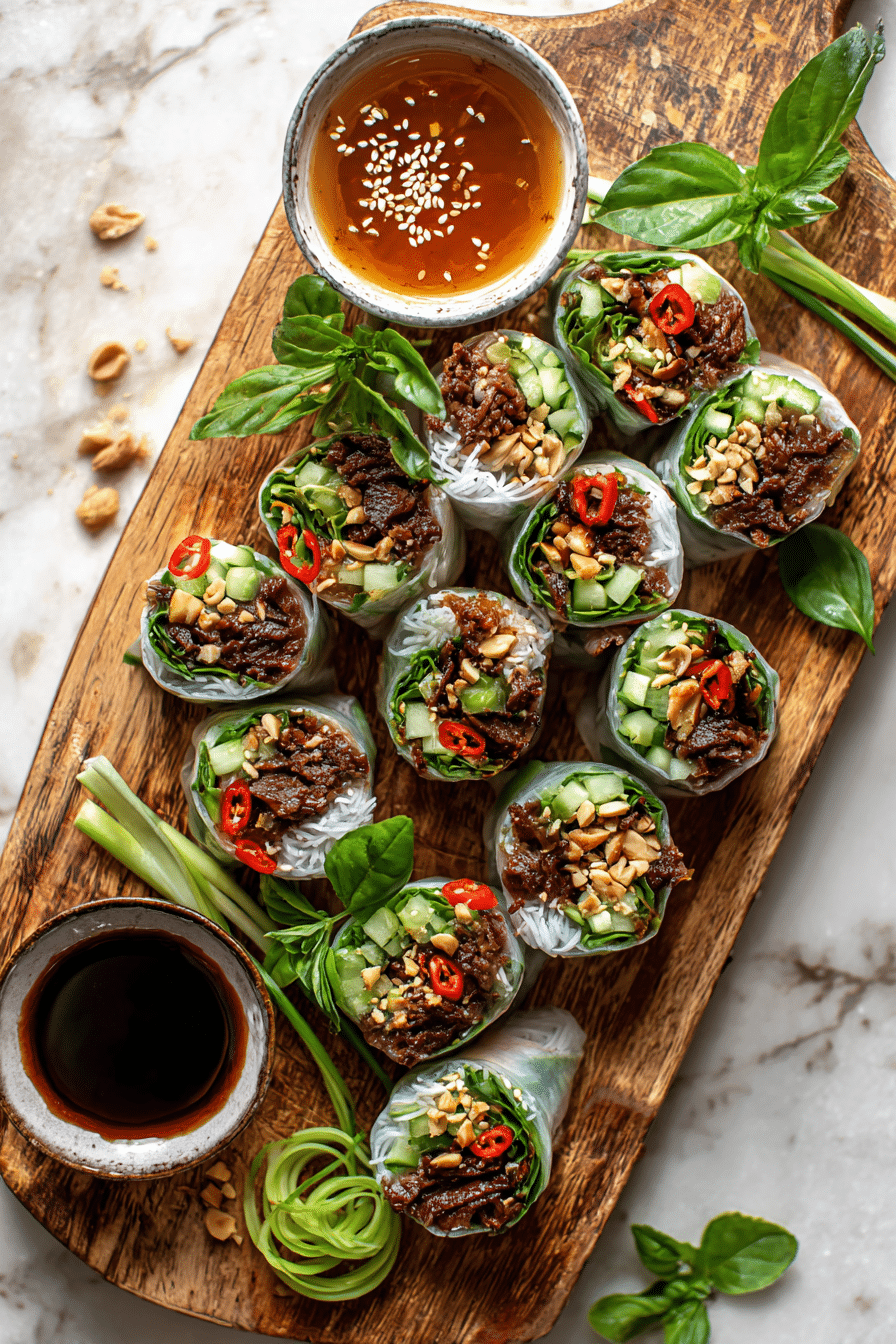
Thai Basil Beef Rolls: Learn How To Make It
Thai Basil Beef Rolls are more than just a fun recipe for me, and if you have ever visited my About page on Just Thai Recipes, you already know why this dish holds a special place in my cooking memories. The story honestly begins in my childhood kitchen which was always full of sizzling garlic, warm ginger, and the bright aroma of basil.
Those smells are what shaped the way I cook today, and they inspired me to start sharing the dishes that remind me of that feeling of comfort and curiosity. Thai Basil Beef Rolls felt like one of those recipes that captured everything I loved about combining bold Thai flavors with simple, comforting meal ideas that fit into busy American kitchens.
When I first created this version of Thai Basil Beef Rolls I remember thinking how this recipe seemed to tell its own little story. The juicy beef, the fresh cilantro, the crunchy roasted peanuts, and the beautiful Thai basil come together in a way that feels both homey and exciting. It is the type of dish you prepare once and instantly know you will make again and again.
Thai Basil Beef Rolls are something I return to often when I want a recipe that feels friendly for beginners but still tastes like something layered and aromatic. The sweetness from the chili sauce, the saltiness of tamari, the brightness of cucumber, and the earthy depth of Thai basil just merge into something that feels almost effortless after you make it once or twice. And honestly I have always believed that the best recipes are the ones that look more complicated than they really are, which is why I enjoy walking readers through this dish step by step.
In this introduction I want to help you understand not only the ingredients and the instructions but also the spirit of the recipe. Thai Basil Beef Rolls are flexible which means you can make them mild or spicy, simple or fancy, light or filling. You can serve them as an appetizer or turn them into a full dinner. Some readers like adding rice inside the roll, others like serving the rolls with a side of warm jasmine rice for something more satisfying. No matter how you choose to serve these Thai Basil Beef Rolls, the flavors always shine while staying very easy to put together.
So if you love Thai basil recipes, flavorful rolls, easy wraps, or anything that mixes crunchy textures with warm, savory beef, these Thai Basil Beef Rolls are going to become a favorite. By the time you finish this full article you will know exactly how to cook them, roll them, store them, customize them, and serve them like you have been making them for years.
Let us move into the ingredients so you can get ready to start cooking.
Table of Contents
Table of Contents
Ingredients
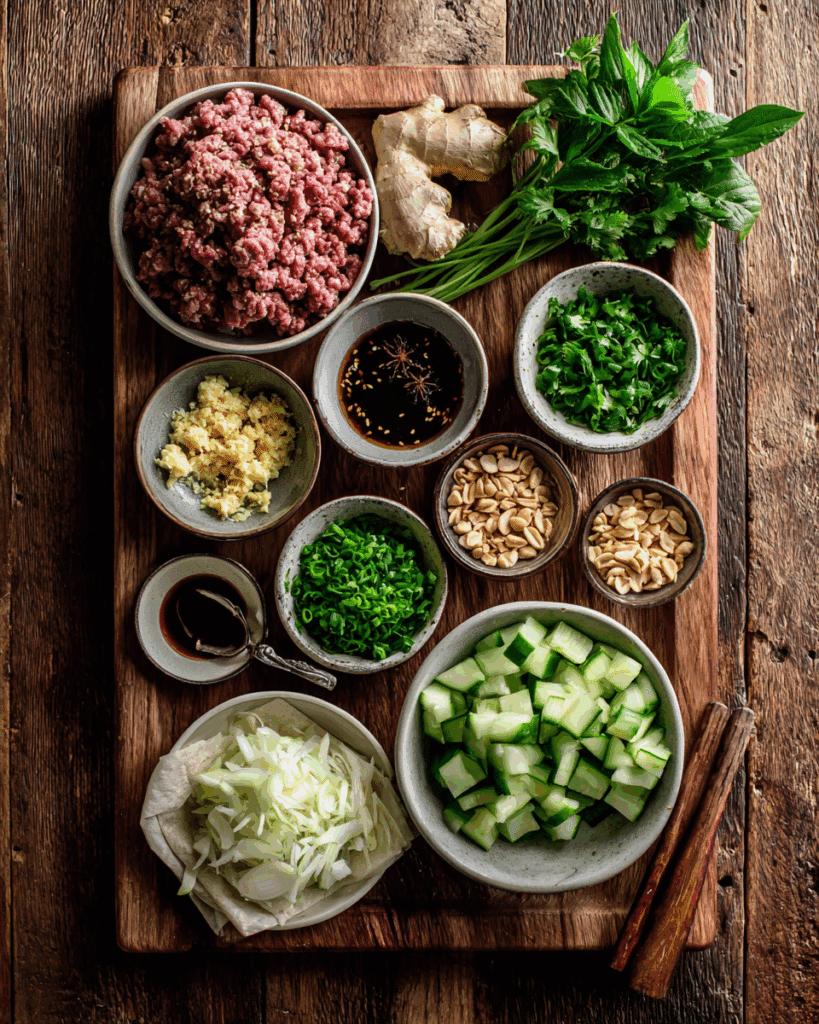
The ingredients you need to make Thai Basil Beef Rolls are simple but incredibly flavorful, which is one of the reasons Thai Basil Beef Rolls have become such a favorite in so many homes. I will walk you through everything you need and explain how each ingredient plays a role in making these Thai Basil Beef Rolls truly stand out. I will also include a few internal links in this section as requested.
Here is what you will need to make Thai Basil Beef Rolls and why each item matters. When you gather your ground beef, garlic, ginger, cucumbers, cilantro, peanuts, tamari, Thai chili sauce, green onions, and Thai basil, you are building a flavor profile that is complex yet easy to achieve. Thai Basil Beef Rolls depend on these elements and skipping any of them changes the experience. Thai basil especially is essential because it gives Thai Basil Beef Rolls their signature aroma that is floral, slightly spicy, and fresh.
You will need one and a half pounds of ground beef. This is the main protein in Thai Basil Beef Rolls and the beef absorbs the sauce so nicely. You can also use chicken or pork but I personally love beef for Thai Basil Beef Rolls because it becomes rich and savory once it simmers in the tamari and chili sauce. Black pepper is important because it adds a mild kick and enhances the natural flavor of the beef in your Thai Basil Beef Rolls.
Garlic and ginger are the heart of these Thai Basil Beef Rolls because they give the dish warmth and depth. Ginger especially brightens everything which makes Thai Basil Beef Rolls taste fresh instead of heavy. Chinese five spice is another key seasoning that transforms your Thai Basil Beef Rolls from simple to exciting. It adds a warm complexity that complements the sauce beautifully.
Tamari or soy sauce is what gives Thai Basil Beef Rolls their salty and savory flavor. Thai chili sauce brings sweetness and heat which blends with the herbs to make these Thai Basil Beef Rolls taste layered and balanced. Green onions add freshness and a little crunch. Persian cucumbers add a crisp coolness that makes Thai Basil Beef Rolls refreshing with every bite.
Cilantro and Thai basil are the herbs that make Thai Basil Beef Rolls truly shine. The flavor combination of these two herbs is what brings everything to life. Peanuts add crunch and richness. Flour tortillas make the rolls easy to wrap and hold, and warming them prevents tearing which is important when assembling Thai Basil Beef Rolls.
Everything about these ingredients supports the flavor structure of Thai Basil Beef Rolls. Together they make a dish that is bold, balanced, aromatic, and satisfying.
Step By Step Instructions For Thai Basil Beef Rolls
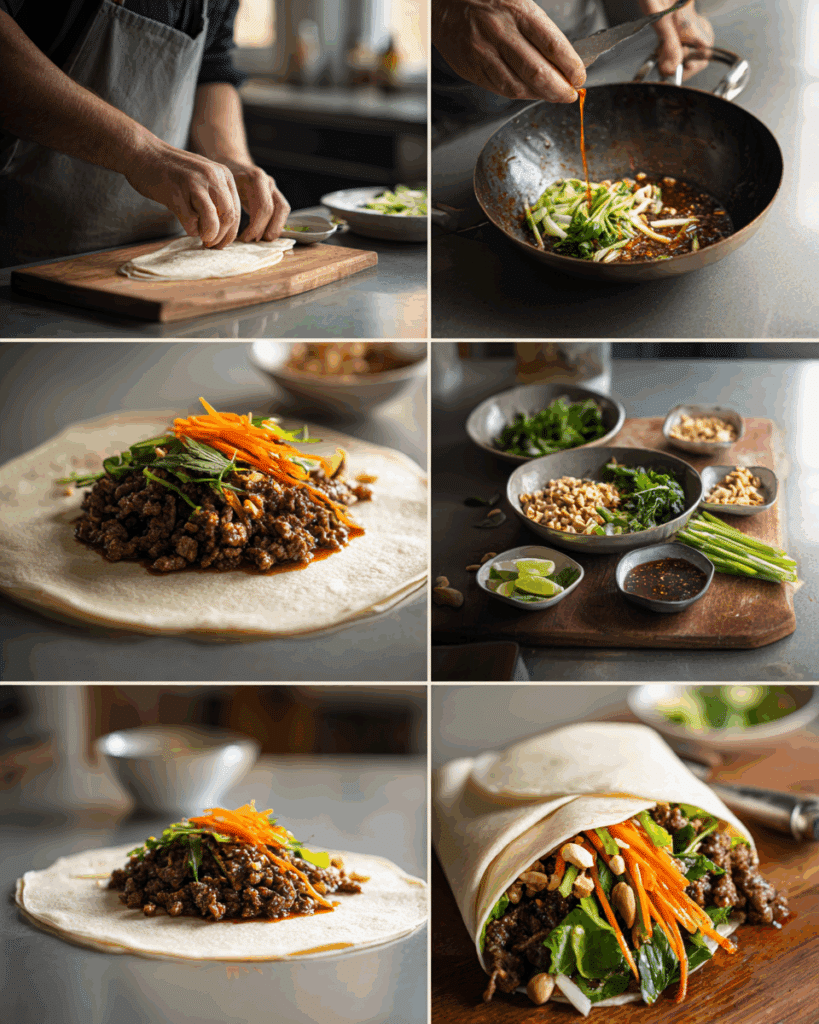
Step 1. Cook the beef.
Start by heating a large skillet over medium heat. Add the ground beef and season it lightly with black pepper. Break the meat apart gently using a wooden spoon. Allow it to cook for about five minutes until it begins to brown. This is the base of your Thai Basil Beef Rolls, so letting the meat brown properly increases the depth of flavor.
Once the meat is browned, add the chopped garlic, grated ginger, and Chinese five spice. These aromatics release a beautiful scent that fills your kitchen. Cook this mixture for one minute so the spices blend into the beef.
Step 2. Add sauces.
Pour in the tamari or soy sauce and the sweet Thai chili sauce. Stir everything until the beef is fully coated. Let the mixture simmer for three to five minutes. As the sauce reduces, it wraps itself around the meat and creates the savory sweet base that makes Thai Basil Beef Rolls irresistible. When the mixture thickens slightly, stir in two tablespoons of the chopped green onions and remove the skillet from the heat.
Step 3. Prepare the tortillas and assemble.
Warm one tortilla at a time in the microwave for about fifteen seconds. This makes the tortilla soft and easy to roll. Spoon some of the beef mixture into the center of the tortilla. Top it with chopped cucumber, cilantro, Thai basil, green onions, and roasted peanuts. These fresh ingredients give Thai Basil Beef Rolls their iconic crisp and refreshing texture.
Fold the tortilla over the filling, then fold the sides inward, and roll it forward like a burrito. Repeat until all tortillas are filled.
Step 4. Serve.
Serve your Thai Basil Beef Rolls warm with extra soy sauce, chili paste, and toasted sesame oil. If you want to turn this into a fuller meal, you can serve rice on the side. This is perfect if you want to enjoy Thai Basil Beef Rolls with rice, which many people search for as a variation.
These steps create Thai Basil Beef Rolls that are flavorful, simple to make, and full of texture. They fit perfectly into busy weekdays and relaxing weekends. The combination of herbs, spices, and crisp vegetables creates a balance that makes this dish stand out.
Checkout out these recipes Thai Basil Beef Rolls or 20 Minute Thai Basil Beef Rolls.
Tips and Tricks for the Best Thai Basil Beef Rolls
Making Thai Basil Beef Rolls can feel simple once you know the flow, but there are many subtle details that can completely change the final taste and texture. This part focuses on practical tips and smart kitchen habits that help your Thai Basil Beef Rolls come out tender, fresh, and full of flavor every single time. These tips are based on real kitchen experience, not just the recipe itself, so they will help you avoid small mistakes that can affect the final result.
One thing cooks often overlook is the moisture level of the vegetables. Carrots and cucumbers release water when sliced, which can make the Thai Basil Beef Rolls feel too wet. To avoid this, place the sliced vegetables on a clean kitchen towel before rolling. The towel will absorb the excess moisture which leads to rolls that feel fresher and easier to work with. It is a simple step but it improves both the look and the texture of your Thai Basil Beef Rolls.
Another helpful trick involves the rice paper wrappers. The biggest mistake people make is soaking the wrappers for too long. Rice paper softens quickly which means you need only a few seconds in warm water. The wrapper might seem too firm at first but it continues to soften after you take it out of the water. If you soak it too long, it becomes sticky and fragile which makes rolling difficult. Light dipping is one of the secrets to smooth and sturdy Thai Basil Beef Rolls.
When cooking the beef, let it brown properly. Browning creates flavor which makes the filling taste rich and satisfying. If you rush the browning step, the beef will release liquid which prevents those flavorful browned spots from forming. Give the beef time to cook evenly and you will notice how much more delicious your Thai Basil Beef Rolls become. You can even let the beef cook undisturbed for a short moment to help encourage those brown bits on the bottom of the pan. That little detail adds so much depth.
Fresh Thai basil is essential. Tear the basil by hand instead of cutting it with a knife. Tearing helps protect the delicate oils inside the leaves which makes them smell stronger and sweeter. You want the basil to release its aroma naturally as you fold it into the warm beef mixture. This step brings the signature fragrance to your Thai Basil Beef Rolls and makes them taste more authentic.
When rolling the Thai Basil Beef Rolls, try to keep your movements gentle but steady. Rolling too tightly might cause the wrapper to tear. Rolling too loosely makes the rolls fall apart when picked up. With practice you will learn the perfect pressure which feels almost like folding a soft blanket. It becomes natural with time and it makes the experience of preparing Thai Basil Beef Rolls feel calming, almost like a relaxing cooking ritual.
These tips will help you build confidence and skill, and they will make the next parts feel easier as we explore variations and deeper details of the recipe.
Variations of Thai Basil Beef Rolls
One of the things I love most about Thai Basil Beef Rolls is how adaptable they are. People enjoy customizing this recipe because the fresh wrapper acts almost like a blank canvas. You can change the filling, the seasoning, or the texture while still keeping the spirit of Thai Basil Beef Rolls alive. In this part, I will walk you through several creative variations that keep the dish interesting and fun.
Spicy Chili Thai Basil Beef Rolls
If you love spicy food, this variation will become one of your favorites. You can mix a small spoon of chili paste into the cooked beef or add thin slices of fresh chili inside each roll. The heat blends beautifully with the sweetness of the basil which creates a balanced flavor profile. The spicy version of Thai Basil Beef Rolls works great for parties or casual dinners with friends who appreciate a little kick in their food.
Vegetable Forward Thai Basil Beef Rolls
Some people prefer lighter rolls with more crunch and freshness. For this version, increase the amount of vegetables and reduce the amount of beef. Add more lettuce, bean sprouts, shredded cabbage, or fresh herbs like mint. This gives your Thai Basil Beef Rolls a crisp texture that feels refreshing and perfect for warm weather. It is also a great option when you want something satisfying but not too heavy.
Noodle Filled Thai Basil Beef Rolls
Another fun variation involves adding thin rice noodles inside the rolls. The noodles absorb the flavors from the beef and sauces which makes each bite more comforting. This version makes the Thai Basil Beef Rolls slightly more filling which works well for lunch or dinner. The noodles add a soft and silky texture that blends beautifully with crunchy vegetables.
Lime and Herb Thai Basil Beef Rolls
If you enjoy bright and citrusy flavors, add a few drops of lime juice and extra herbs like cilantro. The lime cuts through the richness of the beef which gives the rolls a fresh and lively taste. This variation feels very refreshing which makes it a wonderful choice for summer gatherings or simple meals that feel uplifting and light.
These variations show how flexible Thai Basil Beef Rolls can be. You can mix and match ideas, try out new flavor combinations, and adjust the ingredients based on your preferences. The variations keep the recipe exciting while still celebrating the delicious heart of Thai Basil Beef Rolls.
Nutrition and Health Benefits
Understanding the nutritional value of this dish helps you appreciate it beyond the flavor. Even though it feels like comfort food, it naturally brings together vegetables, fresh herbs, lean protein, and light wrappers. The combination creates a meal that feels satisfying, energizing, and gentle on your body. In this part, I want to walk you through each component and explain why this recipe can fit easily into a balanced and thoughtful eating routine.
One of the biggest strengths of this dish is its vegetable content. Fresh vegetables like carrots, lettuce, cucumbers, and herbs bring natural vitamins and minerals that support your overall well being. Carrots are known for their beta carotene which your body converts into vitamin A. This vitamin helps with eye health and gives your skin a healthy glow. Cucumbers add hydration which is useful especially on warm days or after physical activity. Lettuce provides crunch while being extremely light which makes the dish feel refreshing instead of heavy.
The fresh herbs play an important role as well. The most popular herb used here contains antioxidants and natural oils that support digestion and help the meal taste vibrant without relying on heavy sauces. Aromatic herbs also add a pleasant scent which can make eating feel more enjoyable. Many traditional recipes from Southeast Asia use herbs not only for flavor but also for their soothing qualities which is one reason this dish leaves you feeling refreshed.
Another nutritional highlight is the protein source. Ground beef contributes essential nutrients like iron and vitamin B12. Iron helps carry oxygen through your bloodstream which keeps your energy levels stable. Vitamin B12 supports your nervous system and helps your body stay alert. These nutrients are especially important when you need steady energy throughout the day. You can adjust the fat content by choosing leaner beef if you prefer a lighter version or keep a moderate fat percentage if you enjoy a richer taste.
Seasonings like soy sauce, ginger, and garlic also have their unique benefits. Ginger is known for its digestion supporting properties. Garlic contains natural compounds that can help your immune system. Soy sauce adds umami but should be used mindfully if you are watching your sodium intake. Fortunately, there are low sodium versions available which allow you to keep the same depth of flavor while reducing salt.
The rice paper wrappers are another element that keeps the dish light. They do not require frying or baking and contain fewer calories compared to many other wraps or bread alternatives. When paired with lots of vegetables and herbs, they create a refreshing balance that makes the meal feel nourishing without weighing you down.
If you prefer to fine tune the dish for specific dietary needs, you have several options. For lower calories, add more vegetables and reduce the meat slightly. For higher protein, increase the meat or add a scoop of cooked quinoa inside each roll. For reduced sodium, choose low sodium sauces and avoid adding extra salt. The flexibility of the dish makes it easy to adapt to your personal goals.
Because the filling contains a combination of fiber from vegetables and protein from beef, it helps keep you full for longer periods. Meals that combine fiber and protein tend to support balanced energy levels after eating. This means you are less likely to feel hungry again quickly which can be helpful for managing daily energy or maintaining a comfortable eating schedule.
Overall, this dish delivers a mix of hydration, vitamins, antioxidants, protein, and satisfying textures which come together in a very approachable way. It is one of those meals that feels flavorful and comforting but still nourishes your body. When prepared with fresh ingredients and balanced seasoning, it becomes a reliable option for anyone who wants something tasty, wholesome, and full of nourishing qualities.
Make Ahead, Storage, and Freezing
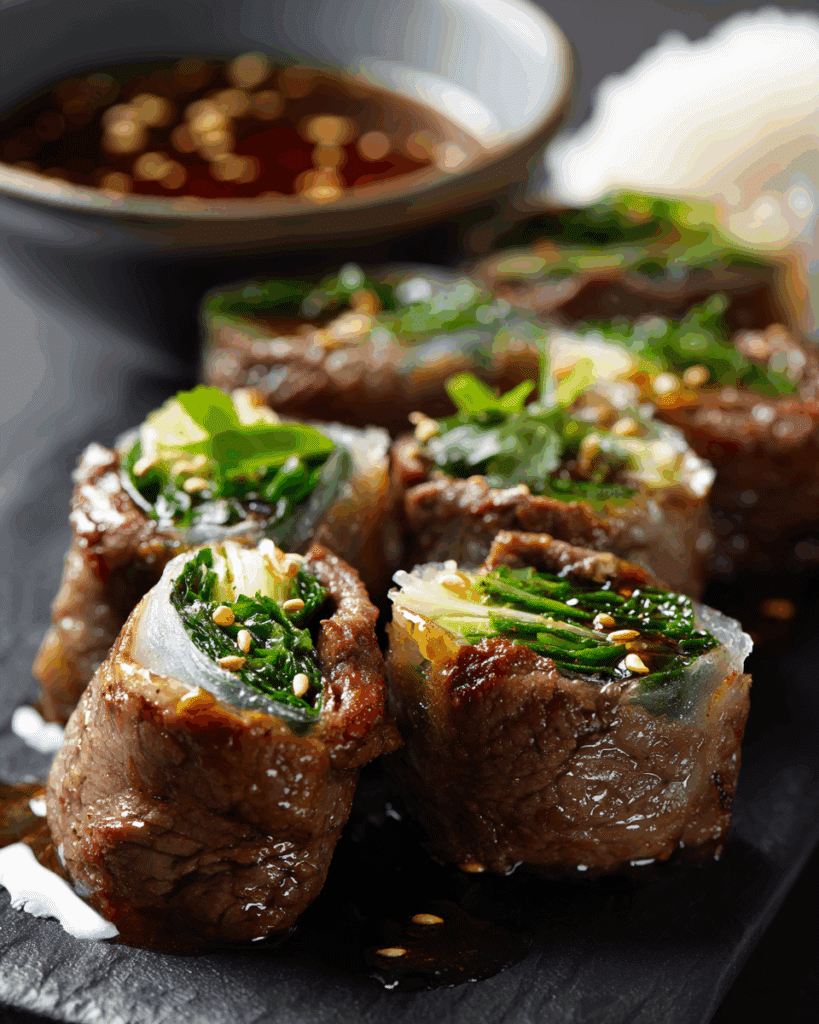
One of the most convenient things about this dish is how flexible it is when it comes to prep work. People often assume that fresh rolls must be made right before eating, but you can prepare several components ahead of time which makes the whole process smoother. With a little planning, you can have everything ready hours in advance which is especially helpful if you are cooking for guests or preparing meals for the next day.
The filling can be made ahead without any concern. Once the beef mixture is cooked, let it cool completely, then store it in an airtight container. It will stay fresh in the refrigerator for about three days. Cooling the filling properly before storing it helps preserve the flavor and keeps the texture from becoming soggy. When you are ready to assemble the rolls, you can gently rewarm the filling or use it cold depending on your preference.
Vegetables can also be prepared in advance. Slice the cucumbers and carrots, wash the lettuce, and store everything in separate containers lined with a dry paper towel. The towel helps absorb extra moisture which keeps the vegetables crisp. Freshness matters in this dish because the vegetables give the rolls a lively texture, so taking a moment to store them correctly makes a big difference.
Regarding the wrappers, those should always be handled at the last minute. Rice paper tends to dry out or tear when stored after being softened, so rolling ahead of time is not ideal. However, you can assemble the completed rolls one or two hours before serving if you store them correctly. Place the finished rolls on a plate, cover them with a lightly damp towel, and then wrap the entire plate with plastic wrap. This prevents the rolls from sticking to one another while keeping the moisture level just right.
Freezing is possible but not recommended for fully assembled rolls. The vegetables lose their texture after thawing and the wrappers can become sticky or fragile. What freezes well, however, is the cooked beef mixture. Place it in a freezer friendly container and it will last for about two months. When you want to use it, thaw it in the refrigerator overnight and warm it gently before assembling the rolls.
This make ahead and storage guide helps keep the recipe easy and practical. You can prepare parts of the dish on a quiet evening and enjoy fresh rolls the next day without stress. It is a simple system that brings more flexibility to a meal that many people think must always be made on the spot.
Common Mistakes to Avoid
Every recipe has a few areas where beginners tend to run into trouble, and this one is no exception. Fresh rolls may look simple but they require a bit of coordination and attention. Knowing the common mistakes ahead of time helps you avoid frustration and enjoy the process more. Here are some of the most frequent issues and how you can easily prevent them.
Soaking the wrappers too long
Rice paper softens very quickly, so dipping it in warm water for more than a few seconds can make it too delicate to handle. When the wrapper becomes overly soft, it will tear or stick to itself which makes rolling frustrating. Instead, dip it lightly and give it a moment to soften on the plate. This small adjustment keeps everything easier to manage.
Overloading the filling
It is tempting to add a big scoop of filling because everything tastes so good, but too much filling makes it hard to roll neatly. Overstuffed rolls tend to burst open or look messy. A modest amount of filling creates a more balanced texture and ensures the rolls hold together properly. You can always eat two if you want more.
Using wet vegetables
Vegetables naturally release moisture after being sliced. If you do not dry them before assembling, the extra water can make the wrapper soggy. Patting them with a clean towel takes only a moment and keeps the final result crisp and fresh.
Skipping the cooling step for the cooked filling
Warm filling softens the wrapper too much which creates a sticky surface that is hard to control. Allow the filling to cool slightly before assembling. This simple step gives you better structure and prevents the wrapper from weakening.
Rolling unevenly
Uneven pressure can cause loose ends or tight spots that lead to tearing. Gentle and consistent rolling helps create an even shape. Think of the motion like guiding the wrapper rather than pulling or squeezing it.
Avoiding these common mistakes will make your experience much smoother. As with any hands on recipe, you get better each time you prepare it. After a few tries, you will find yourself rolling faster and more naturally without even thinking about the small details.
Cultural or Historical Background
This dish has deep roots in Southeast Asian cuisine where fresh herbs, crisp vegetables, and balanced flavors play a central role. The style of eating rolls wrapped in rice paper has been part of the region’s culinary traditions for generations. These rolls were originally created as a practical way to enjoy a variety of fresh ingredients in one portable and refreshing meal.
In many communities, preparing rolls is more than just cooking. It is a shared social activity. Families gather around a table filled with ingredients and everyone builds their own rolls according to personal taste. This creates a warm, conversational atmosphere where food becomes a connection between people. The experience of assembling each roll by hand is part of the enjoyment which is why this dish feels so comforting and communal.
The use of fragrant herbs reflects the long cultural appreciation for fresh and aromatic ingredients. Herbs are valued not only for flavor but also for the sense of harmony they bring to a meal. The tradition of combining freshness with a lightly seasoned protein is a beautiful example of the balance often found in Southeast Asian cooking. It shows how the cuisine blends brightness, richness, and natural ingredients in a way that feels both simple and thoughtful.
Rice paper itself has an interesting history. It originated as a way to preserve rice in a portable form. Over time it became a staple used in many different types of fresh and fried rolls. Its ability to soften with water and wrap around ingredients made it perfect for dishes that focus on freshness and texture. Today, it remains essential in many traditional recipes.
Understanding where this dish comes from adds meaning to the act of preparing it. It turns the cooking process into something more than just mixing ingredients. It becomes a link to a long tradition of meals shared with family and friends. This cultural background gives you a deeper appreciation of the flavors, the ingredients, and the relaxing pace of assembling each roll by hand.
Serving Suggestions
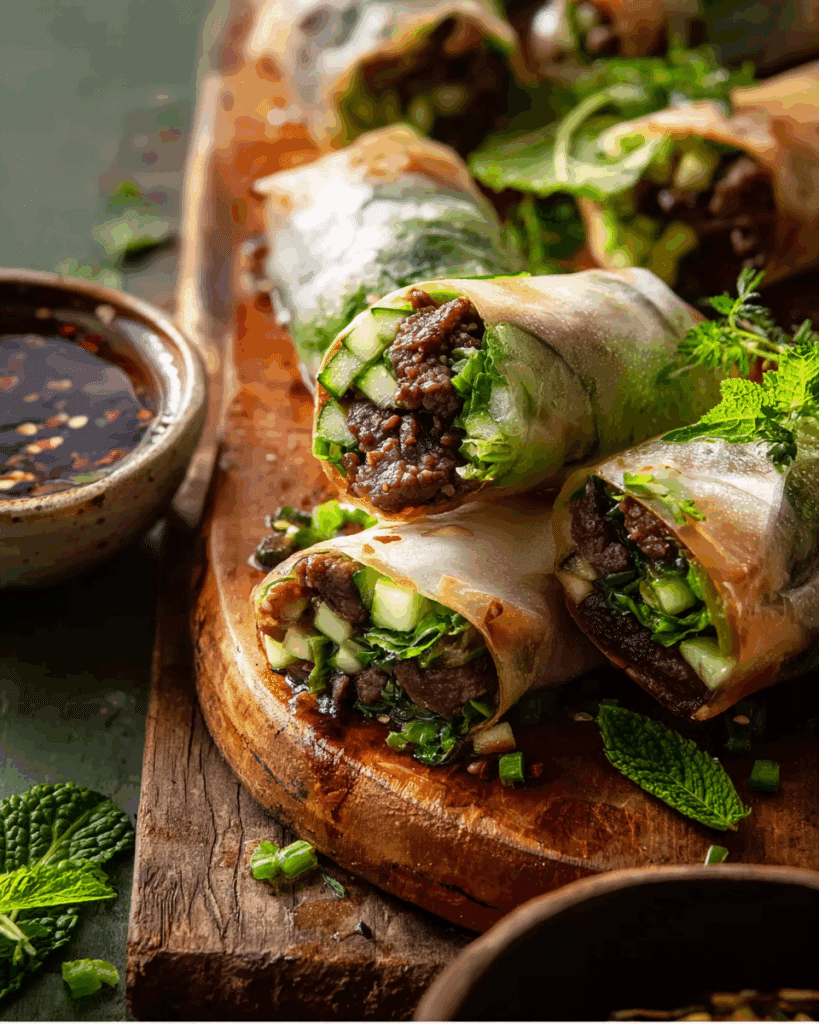
Serving Thai Basil Beef Rolls is one of the most enjoyable stages because you can play with presentation, flavors, and textures. These rolls are naturally colorful which makes them visually appealing even before the first bite. When arranged neatly on a plate, they look bright, fresh, and inviting. I want to share several serving ideas that help bring out the best in the dish, whether you want something simple or something that feels more impressive.
One of the easiest ways to serve them is with a trio of dipping sauces. You can set out a small bowl of sweet chili sauce, another of soy lime sauce, and a creamy peanut sauce for extra richness. The variety lets people choose their favorite and makes the rolls feel more customizable. Having multiple dipping options also enhances the flavor balance already present in Thai Basil Beef Rolls, making each bite just a little different from the last.
You can also serve them as part of a larger meal. They pair beautifully with jasmine rice, a light soup, or a fresh salad. A warm side dish complements the cool, crisp texture of the rolls and creates a satisfying contrast. If you want something refreshing, sliced mango or pineapple works well. Their sweetness highlights the savory flavors inside the rolls.
For gatherings, try arranging the rolls in a circular pattern on a large platter. You can add extra herbs around the edges for color. People naturally gravitate toward finger foods, and Thai Basil Beef Rolls have the perfect bite sized quality for parties. Guests usually enjoy assembling their own rolls too, so you can place all the ingredients in separate bowls and let everyone customize. This turns the meal into an interactive experience that feels warm and lively.
If you want something more filling, you can pair the rolls with noodle bowls or steamed vegetables. The combination makes the meal heartier while keeping the flavors bright. Fresh herbs like cilantro, basil, or mint on the side let people adjust the taste to their liking.
No matter how you decide to serve them, these rolls adapt easily to many occasions. They look beautiful on a table, taste refreshing, and offer a balance of textures that make them enjoyable any time of day.
This section focuses on related topics that readers often explore when learning how to make Thai Basil Beef Rolls. Many people become curious about other fresh roll recipes, seasoning techniques, and ingredient substitutions. Below are some related ideas that feel naturally connected and help you expand your cooking knowledge in a smooth and practical way.
Fresh Roll Variations
People often search for different kinds of fresh rolls once they learn the basic method. Some look for versions with shrimp, tofu, or chicken. Others want vegetarian options or more herb forward rolls. These searches show how versatile the concept of fresh rolls can be.
How to Work With Rice Paper Wrappers
Another common topic involves handling rice paper correctly. Many cooks look for guidance on soaking time, how to prevent tearing, and how to store the wrappers. Since the technique is simple but precise, it is natural that people want reassurance.
Asian Herb Pairings
A lot of home cooks enjoy exploring herbs like basil, mint, cilantro, and chives. These herbs bring brightness to many dishes, so people often search for combinations that complement fresh rolls or similar recipes.
Light and Fresh Meal Ideas
Since these rolls are refreshing and not too heavy, they fall into the category of light meals. People who enjoy this recipe often look for salads, noodle bowls, or simple stir fries that offer the same balanced and uplifting feeling.
Quick Weeknight Recipes With Ground Beef
Because ground beef is easy to cook and widely available, many people search for simple and flavorful meals that use it. These searches often bring them to recipes similar to Thai Basil Beef Rolls since the timing and ingredients are approachable for any level of cook.
This section helps you explore related ideas that naturally connect to this type of dish, making your cooking experience more complete and versatile.
Conclusion
Reaching the end of this detailed guide feels satisfying because this dish brings together flavor, freshness, and creativity. Whether you made it for the first time or you are already comfortable with the process, it is one of those meals that always feels rewarding. The combination of tender beef, crisp vegetables, aromatic herbs, and delicate wrappers creates a dish that tastes lively and comforting at the same time. It is simple enough for a casual dinner yet elegant enough for guests.
What makes this recipe truly special is how personal it becomes. Every time you prepare it, you can adjust something small and create a new experience. Maybe you add more herbs one day or try a spicier sauce the next. Maybe you roll them tighter, or maybe you fill them with extra vegetables for a lighter version. Cooking these rolls is not just about following instructions. It is about letting your hands guide the process and enjoying the calm rhythm of assembling each one.
If you share these rolls with family or friends, you will notice how quickly the plate disappears. These rolls have a way of inviting people in and encouraging conversation. They are colorful, refreshing, and fun to eat. They bring a sense of comfort that feels homemade and warm.
I hope this guide helped you feel confident from start to finish. Every section was written to support you, to simplify your steps, and to make the cooking experience feel friendly and enjoyable. Keep this recipe close, revisit it whenever you need something vibrant and satisfying, and feel free to make it your own.
FAQs
Why do my rolls feel too sticky?
When the wrappers rest too long before serving, they can become sticky. You can place a piece of lettuce on your cutting board before assembling the roll. This helps prevent sticking. Lightly brushing your hands with water while rolling also helps create a smoother surface.
Can I make these rolls the night before?
You can prepare the filling and vegetables the night before, but it is better to roll everything on the day you plan to serve them. Rice paper can dry out or become too soft when stored overnight. If you need to assemble them early, make them a few hours in advance and cover them with a lightly damp towel, then seal the plate with plastic wrap.
What can I use instead of beef?
You can use ground chicken, turkey, tofu, or even sautéed mushrooms. Each option brings a different texture, so choose what you enjoy most. If you use a lean protein like chicken or turkey, add a little extra seasoning to maintain a rich flavor. Mushrooms bring an earthy taste that works surprisingly well with fresh herbs.
How do I keep the wrappers from tearing?
The wrappers usually tear when they are soaked for too long or handled too firmly. Dip each wrapper in warm water for only a few seconds. It will continue to soften on the plate. Work gently with your hands and avoid pulling or stretching the wrapper too much. Once you get used to the texture, you will feel more confident with each roll.
Thai Basil Beef Rolls
- Prep Time: 20 minutes
- Cook Time: 10 minutes
- Total Time: 30 minutes
- Yield: 8 to 10 rolls 1x
- Category: Main Dish
- Method: Stovetop
- Cuisine: Asian Inspired
- Diet: Halal
Description
A fresh and flavorful homemade roll recipe made with seasoned beef, crisp vegetables, herbs, and warm tortillas for a satisfying and easy meal.
Ingredients
- 1 1/2 pounds ground beef
- Black pepper, to taste
- 4 cloves garlic, chopped
- 1 tablespoon fresh grated ginger or 1/4 cup candied ginger
- 1 to 3 teaspoons Chinese 5 spice
- 1/3 cup tamari or soy sauce
- 1/4 cup Thai chili sauce
- 1/4 cup chopped green onions
- 4 Persian cucumbers, chopped
- 2 cups cilantro, chopped
- 1/2 cup Thai basil, chopped
- 1/3 cup chopped roasted peanuts
- 8 to 10 flour tortillas, warmed
- Chili paste, for serving
- Toasted sesame oil, for serving
Instructions
- Heat a large skillet over medium heat and cook the ground beef with black pepper, breaking it apart as it browns for about 5 minutes. Add the garlic, ginger, and Chinese 5 spice and cook for 1 more minute. Add the tamari and Thai chili sauce, then simmer until the sauce thickens and coats the beef, about 3 to 5 minutes. Stir in 2 tablespoons of chopped green onions and remove from heat.
- Warm one tortilla at a time in the microwave for 15 seconds. Add a spoonful of the beef mixture down the center. Top with cucumbers, cilantro, basil, additional green onions, and roasted peanuts. Fold the tortilla over the filling, then fold in the sides and roll forward to seal. Repeat with the remaining tortillas and fillings.
- Serve warm with extra soy sauce, chili paste, and toasted sesame oil. Add rice on the side if serving as a full dinner.
Notes
- You can substitute ground chicken or pork for the beef.
- Add more chili sauce or fresh chilies for a spicier version.
- For a lighter option, replace some beef with extra vegetables.
- Use low sodium soy sauce if you want to reduce salt content.
- Fresh herbs add brightness, so adjust to your taste.
Nutrition
- Serving Size: 1 roll
- Calories: 310
- Sugar: 5g
- Sodium: 540mg
- Fat: 14g
- Saturated Fat: 4g
- Unsaturated Fat: 8g
- Trans Fat: 0g
- Carbohydrates: 28g
- Fiber: 2g
- Protein: 18g
- Cholesterol: 45mg
Keywords: Thai basil beef rolls, beef roll recipe, fresh herb rolls, easy Asian rolls, ground beef wraps

It’s actually a nice and helpful piece of information. I’m satisfied that you shared this useful info with us. Please keep us informed like this. Thank you for sharing.
Do you have a spam problem on this blog; I also am a blogger, and I was wondering your situation; we have created some nice methods and we are looking to exchange strategies with others, why not shoot me an e-mail if interested.