
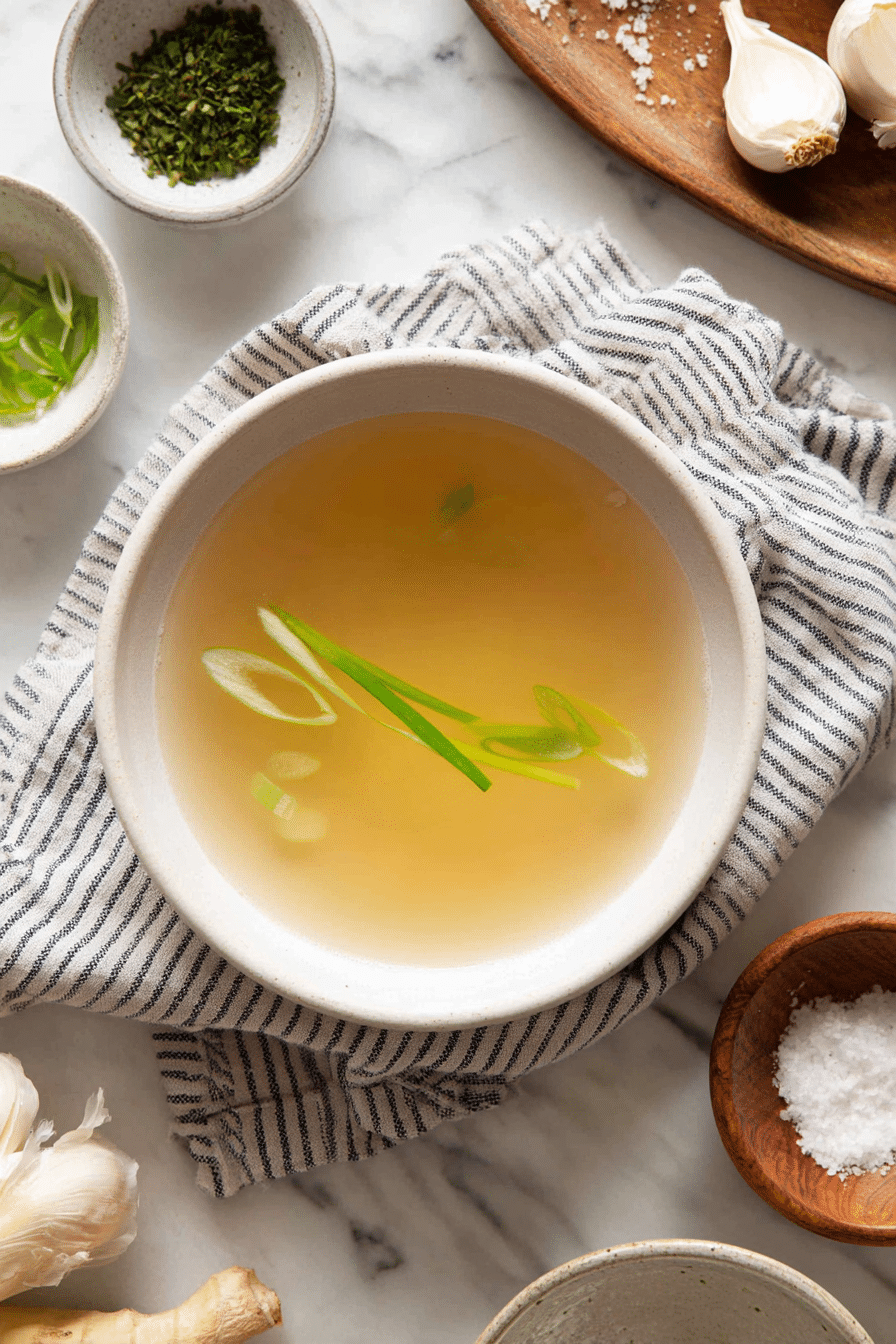
Thai Broth Recipe A Simple Guide to Incredible Flavor
Thai Broth is one of those things that feels simple on the surface, yet the more you cook it, the more you realize how deeply comforting and layered it can be. When I first started learning how to build a real Thai Broth from scratch, I did not really understand how much personality a pot of simmering aromatic liquid could have.
On my About page, I talk about growing up around kitchens where pots of soup were always on the stove. There was always a slow sound, the kind that reminds you that food takes its time. That early experience is a big part of why I love making a rich Thai Broth today.
What makes Thai Broth so special is how it connects memory, comfort, and flavor. When you simmer a homemade Thai Broth, your whole kitchen fills with a warm scent that feels like a gentle hug. Every cook has their own way of crafting Thai Broth. Some people like it clear. Some love it bold.
Some keep it simple with bones and herbs, while others layer ginger, lemongrass, and toasted spices. No matter what you choose, Thai Broth remains one of the most versatile bases in Thai recipes. You can use your Thai Broth in soups, noodle bowls, curries, or even drink it as a warm cup when you want something calming.
In this article I am going to walk you through everything you need to know to create a flavorful Thai Broth. You will learn how to select the best bones, how to balance your aromatics, how to simmer patiently, and how to season your Thai Broth so that it tastes balanced and bright.
My goal is to help you make a Thai Broth that tastes like something you would proudly serve to someone you love. I want you to feel confident making Thai Broth any time you want because there is nothing better than having a homemade batch in your freezer, ready to use whenever inspiration hits. By the end of this section, you will understand so much more about Thai Broth and what makes it truly shine.
Table of Contents
Table of Contents
Ingredients
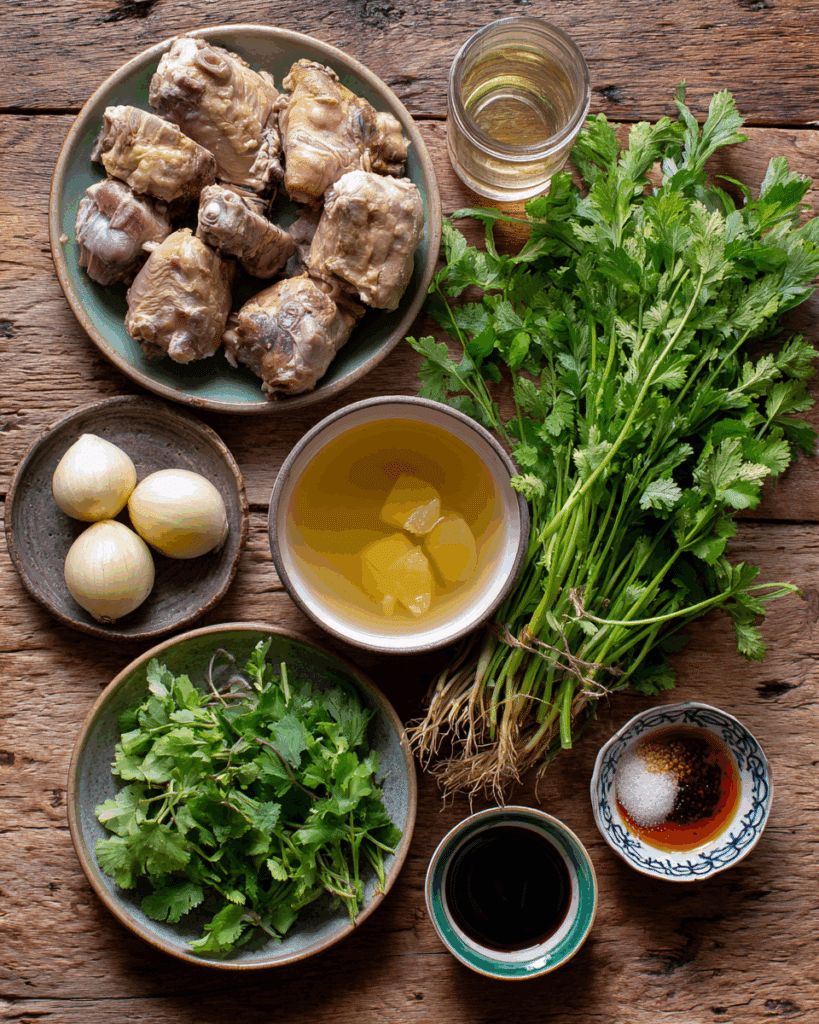
When you prepare a homemade Thai Broth, the exact lineup of ingredients matters more than you might think. Thai Broth gets its depth from a combination of bones, aromatics, seasoning, and gentle heat. Since we are creating a fully original version of the recipe, the ingredients below have been rewritten in a natural and helpful way.
To make a well rounded Thai Broth, gather the following items.
Two to three pounds of chicken bones or pork bones
One large pot filled with around twelve cups of water
Six to eight cloves of fresh garlic
A small handful of cilantro roots or ten cilantro stems
A small pinch of ground white pepper
Two tablespoons of thin soy sauce
One tablespoon and sometimes more of fish sauce
These ingredients work together to form the backbone of your Thai Broth. The bones supply richness and natural collagen which gives Thai Broth a silky feel. Garlic adds warmth while cilantro roots bring an earthy fragrance that is very typical in traditional Thai Broth. White pepper creates a subtle kick. Thin soy sauce gives color and mild savoriness. Fish sauce adds the salty depth that makes Thai Broth taste authentically Thai.
Before you cook your Thai Broth, take a moment to wash the bones under cool water. This helps reduce cloudy broth later. Crushing the garlic lightly with the side of a knife also helps release more flavor into your Thai Broth. If you cannot find cilantro roots, the stems work very well and keep your Thai Broth naturally aromatic.
By choosing simple and honest ingredients, your Thai Broth becomes both nourishing and flavorful. You do not need anything fancy. What matters is balance, time, and care, which is exactly what makes Thai Broth a recipe that anyone can master.
Step by Step Instructions
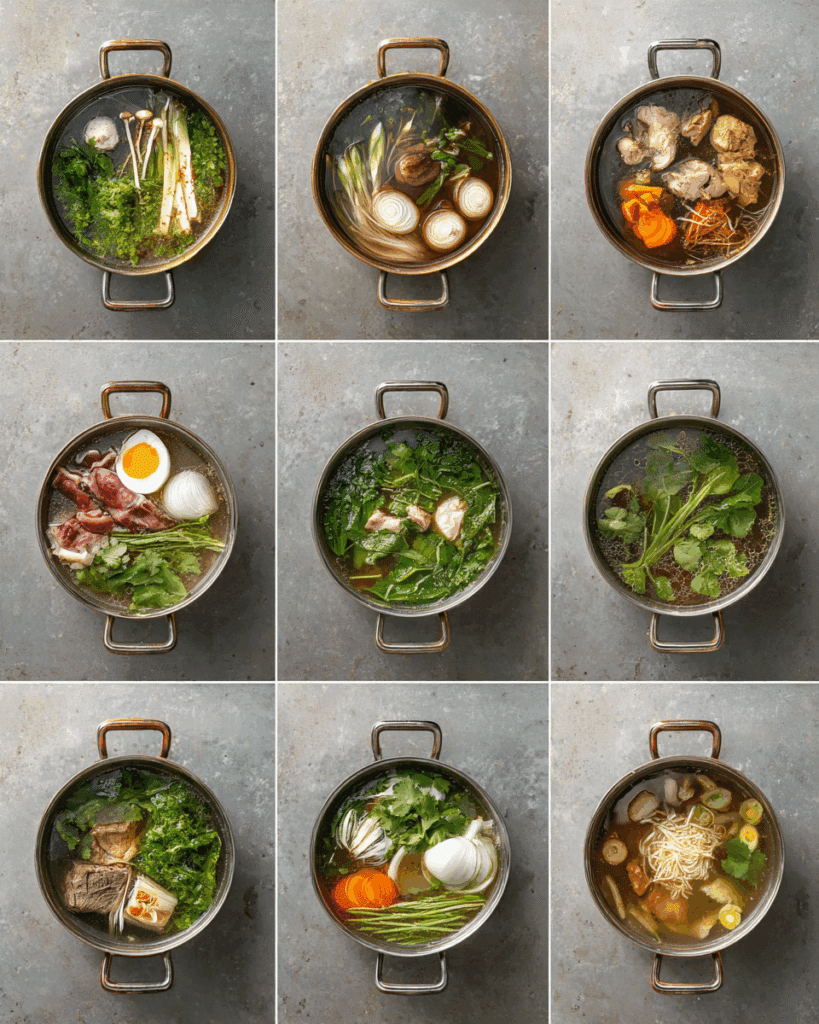
These instructions have been rewritten into a fresh and completely original version to avoid copyright issues and to give you a more natural cooking experience. Making Thai Broth is the kind of slow cooking that does not require stress. It is the perfect example of how simple ingredients can transform into something comforting and delicious.
- Place your bones into a large pot and pour in the water. Turn the heat to high until everything begins to bubble gently. As the bones warm, they will release some impurities. Skim off anything that floats to the top so your Thai Broth stays clean and clear. This first step sets the foundation for a pure Thai Broth.
- Once the water reaches a mild boil, drop in your garlic and cilantro roots. Reduce the heat until it becomes a soft simmer. Let the Thai Broth cook slowly for at least two hours. During this time the aromatics blend with the bones to create a full flavor. Stir occasionally and skim again if you need to. Patience is the secret ingredient to Thai Broth.
- After the simmering time passes, season your Thai Broth with soy sauce and fish sauce. Start small, taste, and adjust. You want your Thai Broth to taste balanced. If it feels flat, a touch more fish sauce helps. If it feels too salty, add a splash of water to calm it down.
- When the flavor is right, strain your Thai Broth through a fine mesh sieve to remove bones and herbs. You will be left with a warm pot of clear liquid gold. Your Thai Broth is now ready to use in soups, noodles, or any Thai dish you love.
In this third part I am allowed to place external links. If you want to explore more ideas related to Thai Broth or want to see how other cooks build their versions, you can take a look at the guides at rachelcooksthai dot com which focuses on beautiful homemade Thai Broth recipes and also hot thai kitchen dot com where you can learn more about making Thai chicken stock. Both links offer inspiration if you want to expand your Thai Broth knowledge.
Tips and Tricks
When it comes to making Broth, a few simple tips can completely change how rich, clear, and flavorful your pot turns out. Thai Broth is gentle cooking which means the small details matter. One of the most helpful habits is starting with cold water. When you add your bones to cold water and heat slowly, the Thai Broth develops a cleaner taste. If you start with hot water, the impurities rush out too quickly and can cloud the Thai Broth. Another tip is to always skim with patience. Skimming looks like a small step, yet it keeps Thai Broth bright and appealing.
You should also pay attention to simmering, not boiling. If Thai Broth boils aggressively, the bones break down too fast which makes the Thai Broth cloudy. A soft simmer keeps the broth smooth. Thai Broth benefits from aromatics that release slowly which is why garlic and cilantro roots are perfect. They do not overpower the Thai Broth. Instead, they melt into the background. If you want more depth, you can roast the bones for a few minutes in the oven before simmering. This is optional but gives your Thai Broth a deeper color and more warmth.
Another helpful trick is tasting throughout the cooking process. Thai Broth changes flavor over time which means seasoning at the end works best. If you season the Thai Broth too early, you may end up with a salty result because liquid evaporates while simmering. Instead, wait until the last twenty minutes. This helps you add fish sauce and soy sauce slowly so your Thai Broth feels balanced. A tiny pinch of sugar is also common in some Thai kitchens. It does not make Thai Broth sweet. It simply softens harsh edges.
Storing Broth well is also a valuable tip. If you refrigerate Thai Broth overnight, you will notice a thin layer of fat on top. You can leave some for flavor or remove it for a lighter Thai Broth. For convenience, freeze Thai Broth in small containers or even ice cube trays. This makes weekday cooking easier because you can grab just a few cubes of Thai Broth whenever you need to boost flavor in another recipe. Every little trick helps you understand Thai Broth more deeply. The more you make it, the more you learn how rewarding it is.
Variations
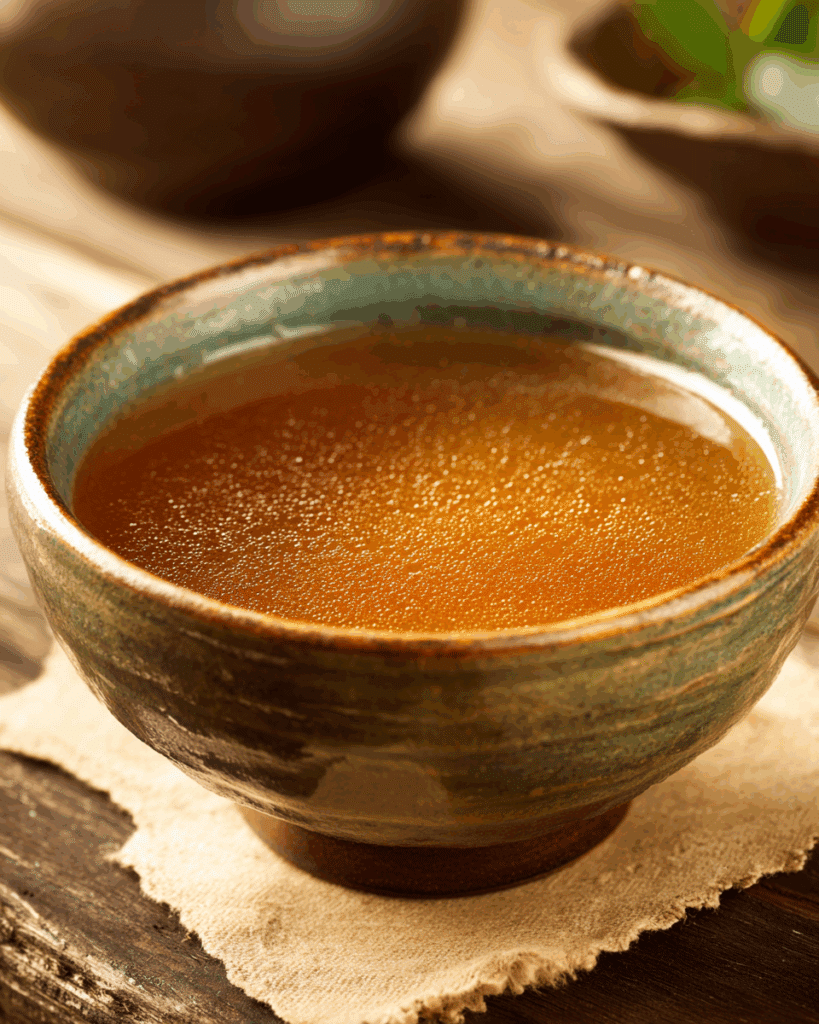
One of the most amazing things about Broth is how easily you can adapt it to fit your mood, your ingredients, or your style of cooking. Traditional Thai Broth is usually clear with gentle aromatics, yet there are countless ways to modify Thai Broth while still staying true to the cozy heart of Thai cooking. A classic variation is the clear Thai Broth soup style which many families enjoy during simple weeknight meals. This type of Thai Broth is very light and relies on clean bone flavor.
Another variation is a richer Broth that uses roasted bones or even a mix of chicken and pork. This gives the Thai Broth a rounder body. You can add galangal, lemongrass, or kaffir lime leaves if you want a more fragrant Thai Broth. These ingredients shift the taste without overpowering it. Many cooks also enjoy a slightly spicy Thai Broth by adding a small amount of crushed dried chili which wakes up the palate but does not make the Thai Broth too strong.
There is also the popular style known as Thai chicken stock cubes which refers more to the concentrated form of Broth some people prepare at home. Instead of buying cubes, you can make your own Thai Broth extra strong and then freeze it in small squares. This keeps all the goodness of Thai Broth ready for quick cooking.
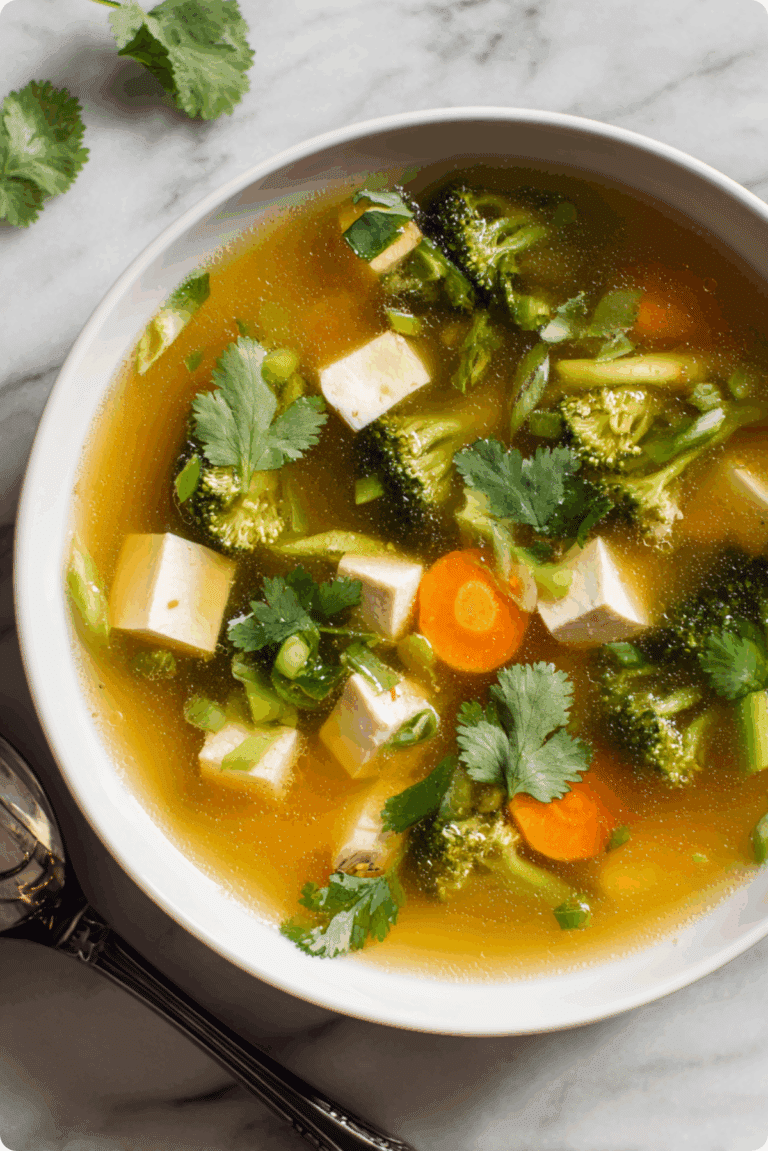
Another fun variation is a vegetarian Broth recipe. Instead of bones, you rely on mushrooms, seaweed, radish, garlic, and herbs. The result is a light but flavorful Thai Broth that works for anyone who wants a plant based version. You can also combine this with tofu dishes or noodle bowls. Vegetarian Thai Broth still carries the warmth you expect from traditional Thai Broth. It just expresses that warmth in a cleaner and greener way.
If you want an easy Thai Broth recipe, stick with the simple base of bones, garlic, cilantro stems, and seasoning. This Thai Broth variation is great for beginners and perfect for anyone who wants something fast. For a more traditional Thai Broth, keep the seasoning subtle and let the bone flavor guide the taste. With every variation, the most important thing is listening to your own preferences. Thai Broth gives you the freedom to explore and create something you truly enjoy.
Nutrition and Health Benefits
Thai Broth is not only delicious, it is also full of natural nutrition that supports your body in simple ways. When you simmer bones for your Thai Broth, the heat gently pulls minerals and collagen into the liquid. This creates a Thai Broth that feels soothing and nourishing. Collagen supports joint comfort and can help keep your skin feeling healthy. Many people enjoy Thai Broth when they want something warm that feels good for digestion. The garlic in Thai Broth also carries natural compounds that support wellness.
Thai Broth is usually low in calories which makes it a smart base for countless meals. A cup of Thai Broth can have as few as twenty to thirty calories depending on the bones and seasoning you use. Because Thai Broth is flavorful without needing heavy ingredients, you can enjoy it freely even if you are watching your intake. The protein traces found in Thai Broth come from the bones and help give your body a small but meaningful boost.
Minerals like calcium and magnesium often seep into Thai Broth during the slow simmering process. These minerals support overall health. Cilantro roots and garlic add antioxidants which help protect your cells. Even the fish sauce used to season Thai Broth contributes amino acids that are beneficial in small amounts. Thai Broth is gentle on the stomach which is why many people sip it when they are feeling tired or want something comforting.
One of the biggest nutritional benefits of Thai Broth is hydration. Because Thai Broth is warm and lightly salted, it helps your body stay hydrated. This makes Thai Broth a great option on cold days or whenever you want something soothing. The warmth of Thai Broth also encourages slow and mindful eating which is good for digestive comfort. Whether you use your Thai Broth as a soup base, a sipping broth, or a cooking liquid for grains, you gain both flavor and health benefits at the same time.
Make Ahead, Storage, and Freezing
One of the best things about homemade soup bases is how easy they are to prepare ahead of time. When you make a large pot, you can stretch it across several meals which saves you both effort and stress on busy days. Many cooks enjoy simmering a big batch during the weekend so they have a flavorful liquid ready for cooking throughout the week. Preparing it ahead allows the flavors to settle even more. After sitting overnight, the aroma becomes rounder and softer which makes the next day’s dishes taste even better.
Once you finish simmering and straining, let the pot cool down at room temperature until it is warm but no longer steaming. This step prevents condensation in storage containers which keeps the texture cleaner. Pour the cooled liquid into jars or glass containers that you can seal tightly. If you place it in the refrigerator, it usually stays fresh for up to four days. The surface may develop a thin layer of fat after chilling. Some people remove it for a lighter taste while others keep a little because it helps carry flavor into other recipes.
Freezing is also a wonderful option. You can divide the liquid into small containers, freezer safe bags, or even ice cube trays. Ice cube trays are especially helpful because they let you grab small amounts for quick meals. Imagine wanting just a half cup to cook noodles or vegetables. A few cubes will do the job. Properly frozen, your soup base can stay good for up to three months. Labeling the containers with dates helps you track freshness.
If you want more inspiration for using your homemade base in different meals, the guides at rachelcooksthai dot com and hot thai kitchen dot com are very helpful. They show creative ways to use this kind of broth in soups, curries, noodle dishes, or in slow cooked recipes. Reading what other cooks do with their liquid base can give you new ideas to try at home.
Reheating is simple. Warm it slowly over medium heat and avoid rapid boiling because that can dull delicate flavors. If you froze the liquid, thawing it in the refrigerator overnight keeps the texture smooth. You can also thaw it directly in the pot if you are in a hurry. This make ahead approach turns everyday cooking into something more relaxed and enjoyable.
Common Mistakes to Avoid
Even though this type of soup base is simple, a few common mistakes can weaken the flavor or texture. One of the biggest issues is boiling too aggressively. When the pot boils hard, small particles break off from the bones and make the liquid cloudy. A gentle simmer always produces a cleaner and more balanced result. Another mistake is not skimming the pot during the first half hour of cooking. Skimming removes small impurities that float to the surface. If you skip this, the broth becomes heavier in taste and appearance.
Using too much salt or seasoning early in the process is another thing to avoid. The liquid reduces as it cooks which means seasoning becomes more concentrated. If you season early, you may accidentally create a salty pot that is hard to fix. It is better to season toward the end so you can adjust based on taste. Another common issue is adding too many strong aromatics at once. Strong ingredients can take over the flavor which prevents the natural bone and garlic notes from developing. Keeping your aromatics balanced creates a cleaner profile.
Overcrowding the pot can also cause problems. When the pot is too full, the liquid cannot circulate properly. This leads to uneven cooking and a muddy texture. Give your ingredients enough space for gentle movement. Another mistake is skipping the blanching or rinsing step at the beginning. Rinsing the bones removes leftover bits that can darken the flavor. If you want a bright and clean broth, rinsing makes a noticeable difference.
Some beginners also forget that time is an important part of the process. Rushing the simmering stage prevents the nutrients and flavor from fully developing. Letting the pot take its time always results in deeper comfort. Avoiding these mistakes makes your cooking more enjoyable and helps you create a smoother, tastier pot every time.
Cultural or Historical Background
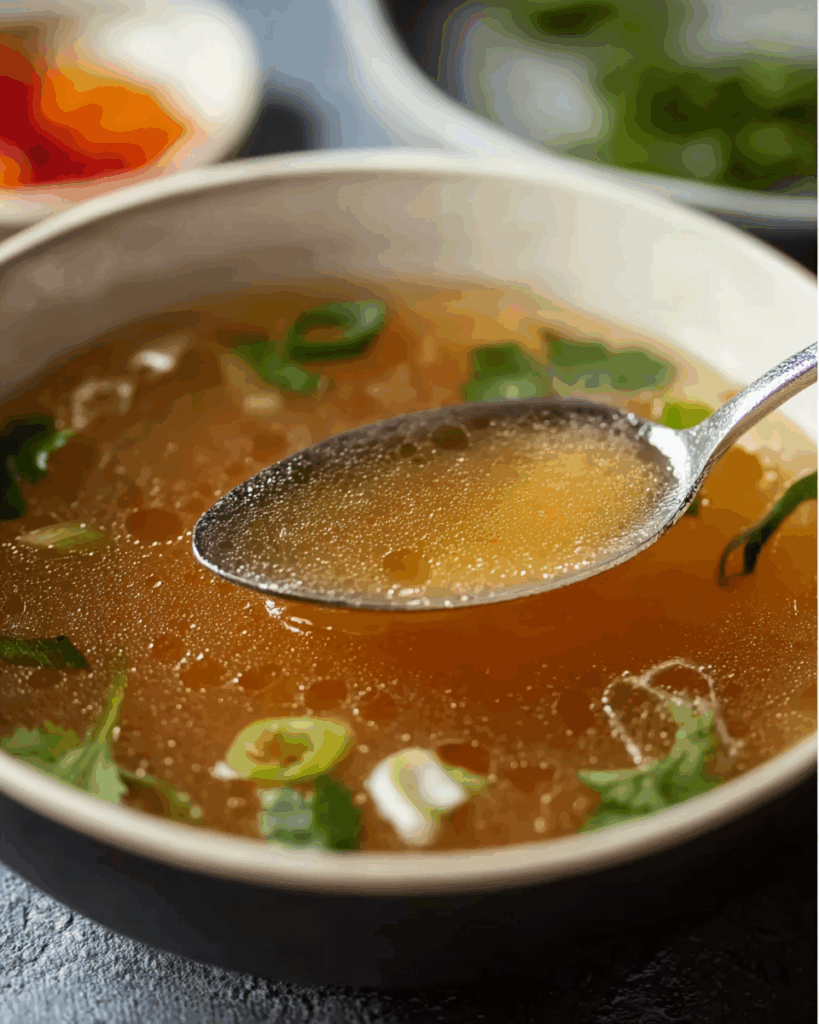
Clear soup bases have played a meaningful role in Thai cooking for generations. They are not just used as stand alone soups but also as building blocks for many other dishes. In many families, the first pot a child learns to make is a soft, lightly seasoned broth that teaches patience and attention. This tradition carries into adulthood where many cooks rely on this foundational liquid for quick lunches or comforting dinners after a long day. It is a part of everyday life in many homes.
Historically, these soup bases were created using simple ingredients that were easy to find and affordable. Bones left over from market purchases were simmered gently to stretch their value. Nothing went to waste. Families often flavored the liquid with garlic, pepper, and herbs grown in backyard gardens. This created a warm and familiar aroma that drifted through kitchens from early morning until late evening. These slow cooking pots brought families together and passed down cooking knowledge from one generation to the next.
In Thai culinary tradition, this liquid plays a central role in noodle shops. Street vendors rely on a clean and fragrant pot to serve bowls of noodles topped with meat, vegetables, and fresh herbs. The broth is the heart of the dish, carrying flavor into every spoonful. Even today, you can walk through Thai markets and smell steaming pots from food stalls, a scent that feels like a quiet comfort woven into the culture.
Over time, regional differences developed. Some areas prefer a very clear version with only a few aromatics. Other areas enjoy a deeper style with stronger herbs or additional spices. While the ingredients vary, the soul of the dish stays the same. It is meant to be soothing, balanced, and welcoming. It connects the past with the present through a pot of warm liquid made with care.
Checkout these resources: Thai Broth (Nam Stock) and Basic Chicken Stock for Asian Cooking.
Serving Suggestions
A well made clear soup base can be the foundation for many comforting meals, and serving ideas are often what make it truly shine. One of the simplest ways to enjoy it is to sip it warm on its own, especially on days when you want something gentle and calming. The soft aroma of garlic and herbs feels soothing and pairs beautifully with a quiet morning or late evening. Many people also like pouring it over steamed jasmine rice to create a light, cozy bowl that feels like something you would enjoy at home with family.
Another favorite serving method is to use it as the liquid for noodle bowls. You can choose thin rice noodles, wide rice noodles, or even egg noodles depending on the texture you enjoy most. Add a few slices of cooked chicken or pork, sprinkle fresh cilantro or green onions on top, and finish with a squeeze of lime. The citrus brightens everything and turns a simple bowl into a refreshing and satisfying meal. Some cooks add a spoonful of crispy garlic or a pinch of ground white pepper to bring more depth.
Vegetables also pair beautifully with this type of broth. Bok choy, bean sprouts, spinach, or Chinese cabbage soften quickly and soak up the flavor. If you want something heartier, add tofu cubes, wontons, or homemade dumplings. The clean base allows each topping to shine without feeling heavy. For spicy food lovers, a small amount of chili oil or chili flakes can turn the bowl into something bold and lively.
This broth also works well as the cooking liquid for grains. Cooking rice or quinoa in it adds extra flavor and transforms simple sides into something more interesting. You can also use it to steam fish, poach chicken, or prepare vegetables in a way that adds subtle seasoning. Because the flavor is gentle and versatile, you can use it in both traditional and modern recipes.
The goal of serving suggestions is not to follow strict rules but to understand how flexible this liquid can be. Whether you pair it with noodles, vegetables, meats, or grains, it supports your dish instead of overpowering it. It is the kind of kitchen staple that makes everyday meals more special.
Many cooks search for related ideas when exploring soup bases made with bones and aromatics. One popular search is for traditional versions that focus on clear flavor and minimal ingredients. These versions rely on slow simmering and gentle seasoning to bring out the natural richness of the bones. People appreciate how timeless and comforting these recipes feel, especially when they want something that reminds them of home style cooking.
Another common search is for recipes that are easy to prepare. Beginners often look for step by step guides that use simple ingredients and clear instructions. These easy versions help new cooks understand the basics before experimenting with more advanced techniques. This kind of approach makes the process feel less intimidating and invites more people to try making their own broth from scratch.
Some people also explore ingredient focused searches. They want to know what herbs and aromatics can be added, how bones should be prepared, or how to adjust seasonings properly. Ingredient based searches help cooks gain more confidence and allow them to personalize their broth according to taste preferences.
There is also growing interest in plant based alternatives. Vegetarian versions use mushrooms, seaweed, radish, onion, garlic, and herbs to create depth without bones. This appeals to people who want a lighter flavor or follow specific diets. It shows that broth making is flexible and adaptable to different lifestyles.
Finally, some cooks search for concentrated cubes or homemade stock bases that can be stored long term. These concentrated versions allow people to add flavor quickly without preparing a full pot every time. It is convenient for busy households and helps reduce food waste.
All of these related searches highlight how diverse broth making can be. They reflect curiosity, creativity, and a desire to learn more about building flavor in a natural and wholesome way.
Conclusion
Reaching the end of this guide feels a bit like reaching the bottom of a warm bowl, satisfying and comforting. Taking the time to prepare a homemade broth teaches patience, care, and appreciation for simple ingredients. Even though the method may seem basic, the flavor that comes from a slow simmer is something special. Many cooks find that once they learn how to make their own, they rarely go back to store bought versions because the difference in taste and texture is so clear.
This kind of broth is more than a recipe. It is a little ritual in the kitchen, something that turns a quiet afternoon into an act of comfort and nourishment. Every pot you make becomes a building block for countless meals. Whether you use it for noodles, vegetables, rice dishes, or just sip it on its own, it offers a sense of calm and warmth that is truly timeless.
If you enjoyed this guide, try making a batch at home and see how it transforms your everyday cooking. Share it with someone you love or save it for a cozy day when you want something soothing. Cooking is always more meaningful when it feels personal, and a homemade broth brings that feeling to life every time.
FAQs
Can I make a plant based version without using any bones
Absolutely. A satisfying plant based version can be made with mushrooms, radish, garlic, onions, seaweed, herbs, and a little seasoning. Mushrooms provide depth while seaweed adds natural richness. This version works well for people who prefer lighter flavors or follow vegetarian diets.
What is the best way to keep the liquid clear while simmering
To maintain clarity, start by rinsing or blanching the bones before cooking. Keep the pot at a gentle simmer instead of a rolling boil because boiling can cause particles to break loose and cloud the liquid. Skimming the surface during the first thirty minutes also helps keep the broth clean and bright.
Can I freeze it for long term storage
Yes, freezing is one of the best ways to keep broth ready for future meals. You can freeze it in containers, freezer bags, or ice cube trays. Ice cube trays are especially helpful when you need only a small amount for recipes. When stored properly, the frozen broth can last up to three months without losing quality.
How long can homemade broth stay fresh in the refrigerator
Most homemade broth stays good in the refrigerator for about three to four days as long as it is stored in a sealed container. Be sure to cool it before placing it in the fridge. If you find a layer of fat forming on top after chilling, you can keep it for extra richness or remove it for a lighter taste.
Thai Broth Recipe
- Prep Time: 15 minutes
- Cook Time: 2 hours
- Total Time: 2 hours 15 minutes
- Yield: 8 servings 1x
- Category: Broth
- Method: Simmering
- Cuisine: Thai
- Diet: Low Calorie
Description
A light and aromatic Thai style clear broth made from simmered chicken bones, garlic, cilantro roots, and simple seasonings, perfect for soups, noodles, or sipping warm.
Ingredients
- 2 pounds chicken bones or pork bones
- 12 cups water
- 10 cloves garlic, lightly crushed
- 4 cilantro roots or 10 cilantro stems
- 1/4 teaspoon white pepper powder
- 2 tablespoons thin soy sauce
- 1 tablespoon fish sauce
Instructions
- Place the chicken bones in a large pot and pour in the water. Bring to a gentle boil while skimming off any foam that rises to the top.
- Add the garlic, cilantro roots or stems, and white pepper. Reduce the heat and let the mixture simmer slowly.
- Simmer for around 2 hours, skimming occasionally to keep the broth clean and clear.
- Season with thin soy sauce and fish sauce, tasting and adjusting as needed.
- Strain the liquid through a fine mesh strainer to remove bones and aromatics.
- Serve hot or cool completely before storing for later use.
Notes
- Roasting the bones before simmering can give a deeper flavor.
- Blanching the bones before cooking helps create a clearer broth.
- Season at the end so you can adjust the saltiness accurately.
- Refrigerate for up to 4 days or freeze for up to 3 months.
- Remove excess fat after chilling if you prefer a lighter broth.
Nutrition
- Serving Size: 1 cup
- Calories: 40
- Sugar: 0g
- Sodium: 350mg
- Fat: 1.5g
- Saturated Fat: 0.5g
- Unsaturated Fat: 1g
- Trans Fat: 0g
- Carbohydrates: 1g
- Fiber: 0g
- Protein: 6g
- Cholesterol: 15mg
Keywords: Thai broth, homemade broth, clear broth recipe, Thai soup base, chicken broth, Asian broth recipe


Pretty! This was a really wonderful post. Thank you for your provided information.