Thai Dipping Sauce With Powerful Flavor and Easy Prep
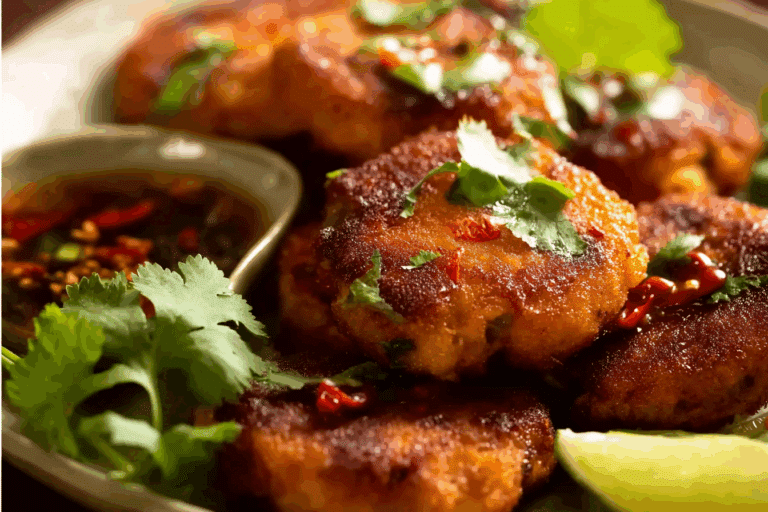
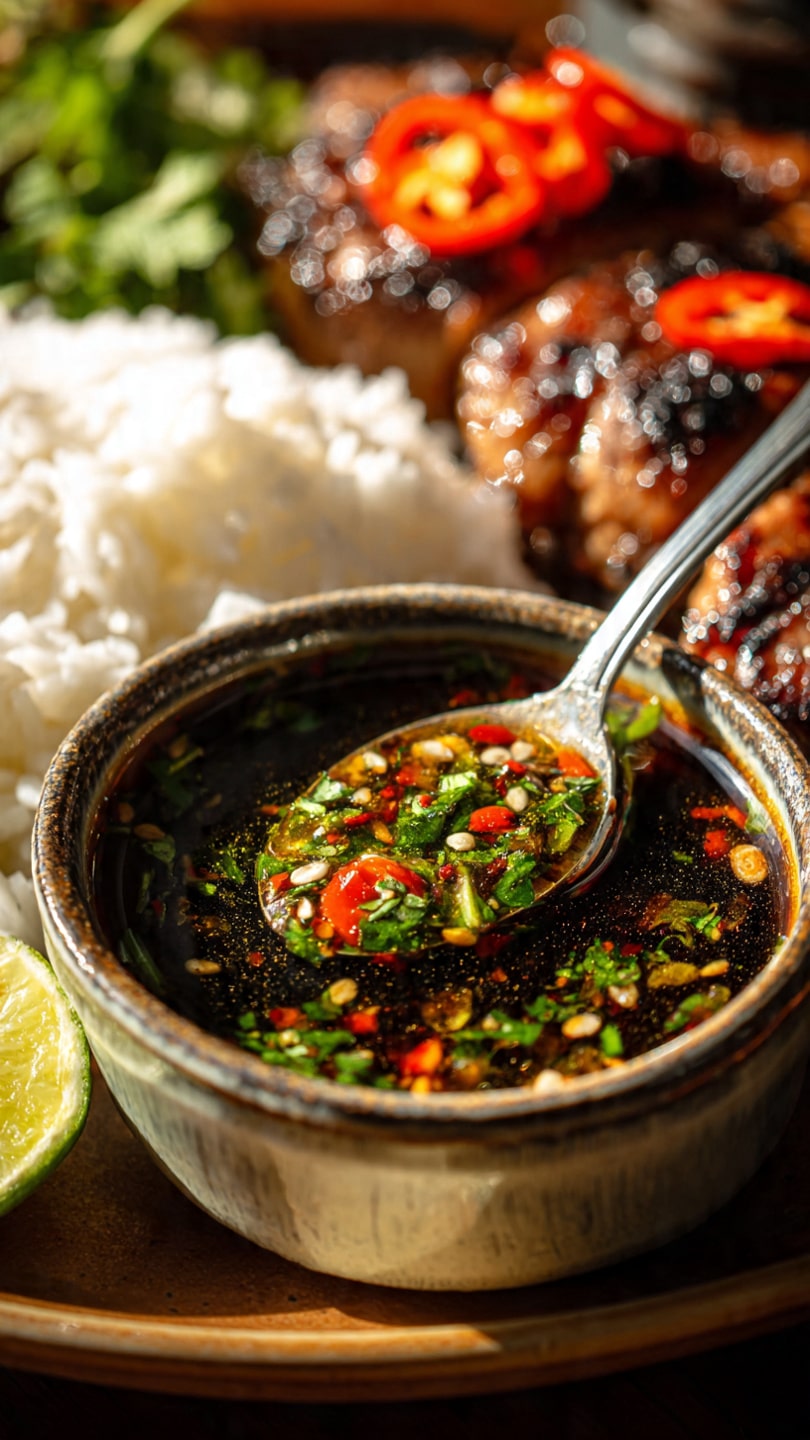
Thai Dipping Sauce is the kind of recipe that quietly earns a permanent place in your kitchen. It is bold but gentle, simple but deeply layered, and once you taste it, you start finding excuses to drizzle it over everything. Thai Dipping Sauce brings together salty fish sauce, bright lime, mellow sweetness, and just enough heat to keep things interesting. It is not loud or overwhelming. It feels balanced, comforting, and alive on the tongue.
At Just Thai Recipes, my mission has always been to bring the warmth and comfort of real Thai cooking into everyday home kitchens. My love for Thai food began years ago in my grandmother’s kitchen, where I watched her cook with patience, joy, and an unspoken belief that good food comes from the heart. Those memories shaped the way I cook today and inspired the creation of this website.
I built Just Thai Recipes to feel like stepping into a cozy Thai kitchen filled with laughter, sizzling pans, fresh herbs, and the familiar aroma of garlic and chili warming in the air. Every recipe I share here is meant to connect you with the authentic flavors that defined my childhood. Whether you are discovering Thai food for the first time or already love the balance of sweet, salty, spicy, and sour that makes it special, my goal is to guide you with simple steps and friendly advice so you always feel confident cooking at home.
This website is more than a recipe collection. It is a celebration of family traditions, cultural stories, and the belief that food brings people together. I hope these dishes help you create your own memories at home just as I did growing up. When you cook from Just Thai Recipes, you are not just following instructions. You are sharing in a story filled with heart, comfort, and the spirit of Thai cuisine.
Thai Dipping Sauce fits perfectly into that story. It is one of those sauces that shows how Thai cooking works at its core. A Thai Dipping Sauce recipe does not rely on fancy tools or rare techniques. Instead, it teaches you how ingredients talk to each other. Sour tames sweet, salt deepens everything, heat sharpens the edges, and time allows the flavors to melt together. Whether you call it an authentic Thai dipping sauce or simply the best Thai dipping sauce you have ever made, it always carries that same feeling of home.
Table of Contents
Table of Contents
Ingredients Overview
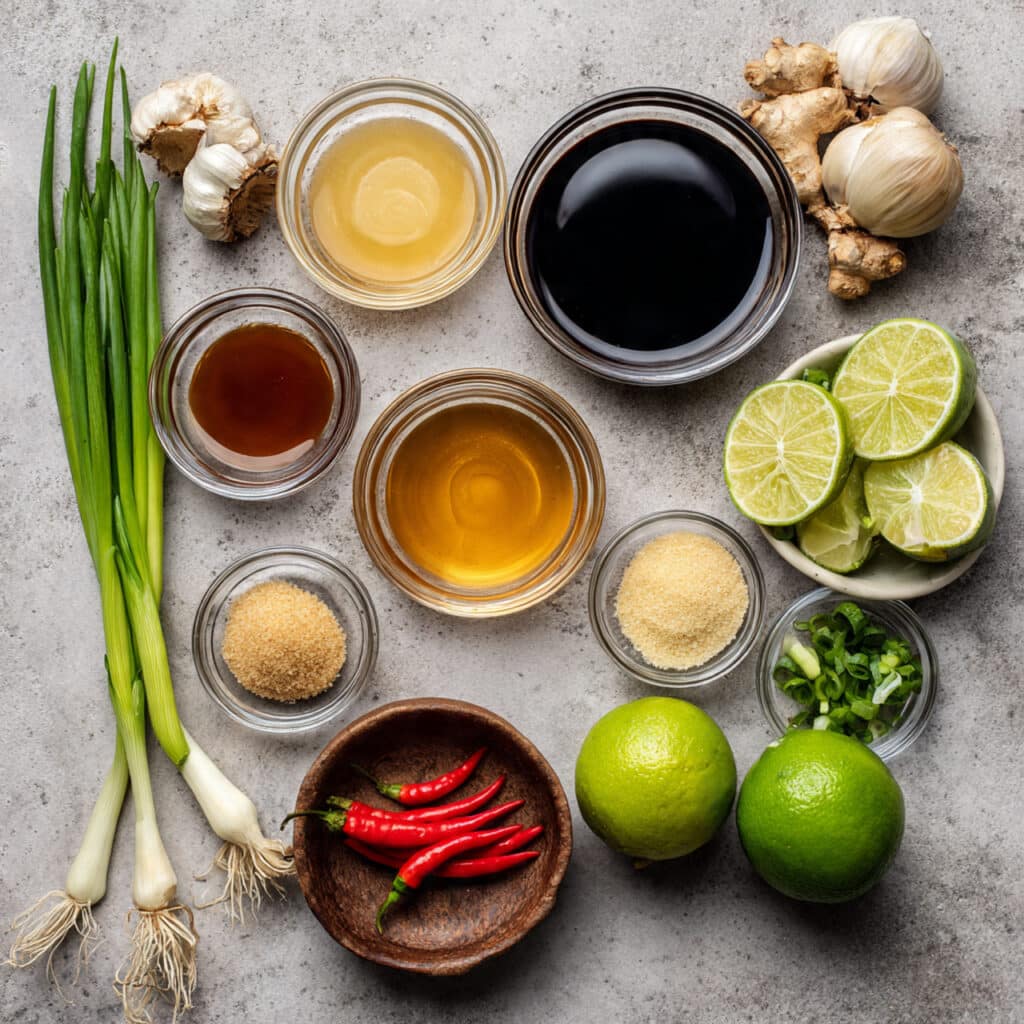
Thai Dipping Sauce starts with humble ingredients, but each one plays an important role. When you understand why each ingredient matters, your Thai Dipping Sauce becomes more than just a mix. It becomes intentional and deeply flavorful.
The foundation of Thai Dipping Sauce is tamarind puree. Tamarind brings a gentle tanginess that feels rounder and softer than vinegar alone. It adds depth and a slight fruitiness that defines many authentic Thai dipping sauce recipes. Fish sauce comes next, salty and rich, carrying that unmistakable Thai umami that gives the sauce its backbone. Lime juice brightens everything, lifting the Thai Dipping Sauce so it never feels heavy or flat.
Brown sugar or palm sugar balances the sour elements. It does not make the Thai Dipping Sauce taste sweet in a dessert way. Instead, it smooths the edges and brings harmony. Hot water helps dissolve the sugar evenly, which is a small detail but makes a big difference in texture.
Garlic, green onion, and eschalots add aroma and freshness. Finely mincing them ensures they blend smoothly into the Thai Dipping Sauce instead of overpowering it. The optional Birds Eye chili allows you to control the heat. This is where you can personalize your Thai Dipping Sauce for chicken, seafood, or vegetables. A little heat sharpens the flavors, while leaving it out creates a clear Thai dipping sauce that is mild but still complex.
When combined, these ingredients create a Thai Dipping Sauce recipe that feels authentic and flexible. It works beautifully as a Thai dipping sauce Prik Nam Pla style variation, pairs well with grilled meats, and even inspires other types of Thai dipping sauce like peanut-based versions or herb-heavy alternatives.
Step by Step Preparation Guide
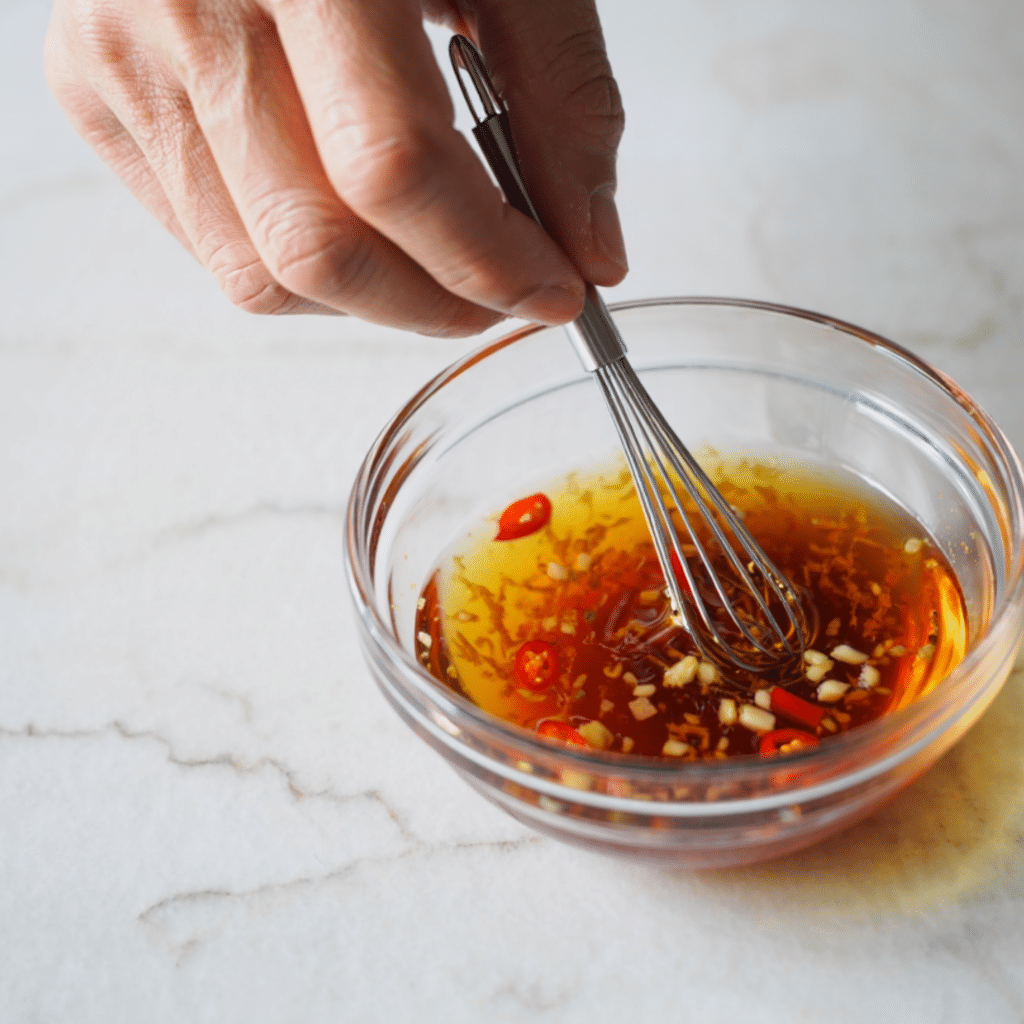
Step 1 Mixing the Base Flavors
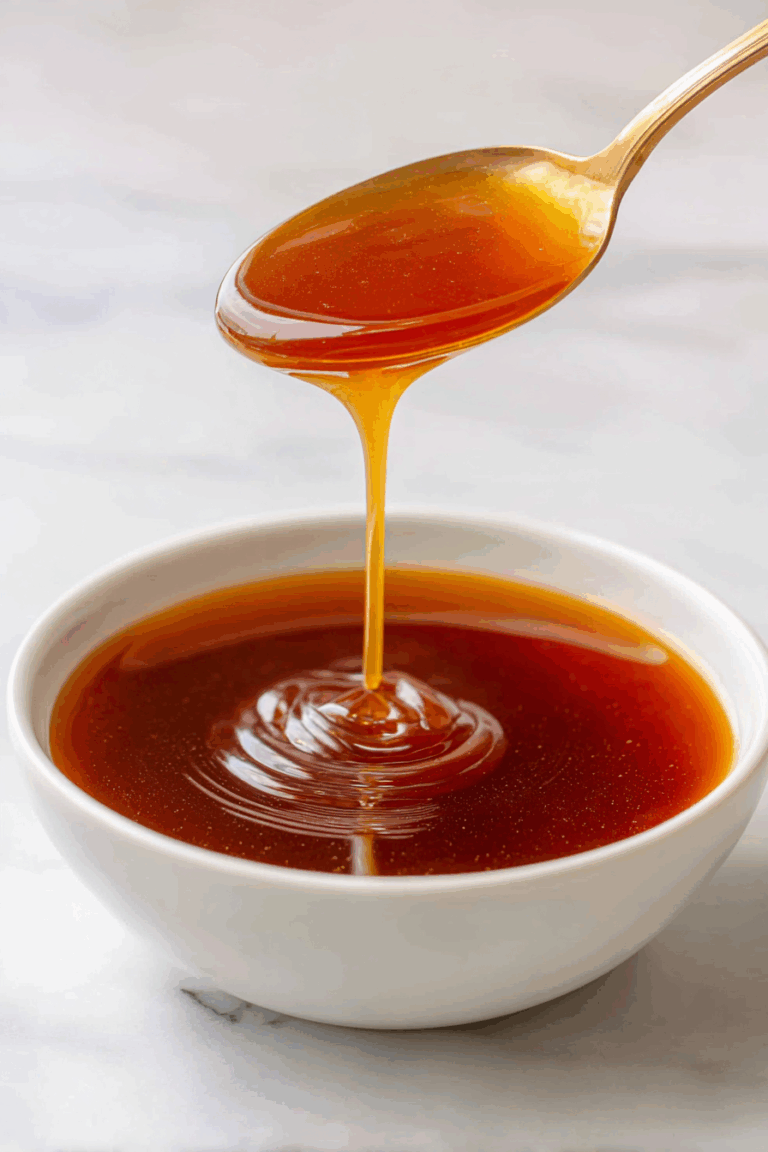
Thai Dipping Sauce begins with mixing all the core ingredients in a bowl. Add the tamarind puree, fish sauce, lime juice, brown sugar, and hot water first. Stir gently but steadily. As you mix, you will notice the sugar slowly dissolving, and the liquid becoming glossy. This moment is important because a well-dissolved base ensures the Thai Dipping Sauce tastes smooth and balanced in every bite.
Step 2 Adding Aromatics
Once the base is smooth, add the finely minced garlic, green onion, and eschalots. Stir again, slowly. These ingredients release their aroma almost immediately. This is where the Thai Dipping Sauce starts to smell like something you would find at a street stall in Thailand. Fresh, sharp, and inviting.
Step 3 Adjusting the Heat
If you enjoy spice, add the minced Birds Eye chili. Start small. Thai Dipping Sauce is about balance, not overwhelming heat. Stir and taste. You can always add more chili, but you cannot remove it once it is mixed in. This flexibility is what makes Thai Dipping Sauce so adaptable for different dishes and preferences.
Step 4 Letting the Flavors Meld
Set the Thai Dipping Sauce aside for at least 30 minutes. This resting time allows the flavors to blend and soften. The garlic mellows, the sweetness integrates, and the sour notes become rounder. When you return to it, the Thai Dipping Sauce will taste fuller and more cohesive. This step is what separates a rushed sauce from the best Thai dipping sauce experience.
Helpful Tips and Techniques
Thai Dipping Sauce may look simple, but a few small techniques can elevate it from good to unforgettable. One of the most important tips when making Thai Dipping Sauce is patience. Allowing the sauce to rest is not optional if you want deep flavor. That resting time gives the Thai Dipping Sauce its signature harmony, where no single ingredient dominates the bowl.
Finely mincing the aromatics matters more than people think. Garlic, green onion, and eschalots should almost melt into the Thai Dipping Sauce. Large chunks interrupt the texture and can make the sauce feel harsh instead of smooth. Using a knife instead of a food processor keeps the flavors clean and prevents bitterness.
Taste as you go. Thai Dipping Sauce is meant to be adjusted. If it feels too sharp, add a touch more sugar. If it feels flat, a few extra drops of lime juice can wake it up. If the salt feels heavy, a splash of water can soften it. This flexibility is why Thai Dipping Sauce works for so many dishes, from Thai dipping sauce for chicken to seafood and vegetables.
Another helpful technique is temperature awareness. Thai Dipping Sauce tastes best at room temperature. Cold dulls the flavors, especially the sweetness and aromatics. If you refrigerate it, let it sit out for a few minutes before serving so the Thai Dipping Sauce can fully express itself.
Finally, always stir before serving. Ingredients can settle, and a quick stir ensures every spoonful delivers the full experience of a well-balanced Thai Dipping Sauce.
Recipe Variations and Alternatives
Thai Dipping Sauce is wonderfully adaptable, and once you understand the base, you can explore many variations without losing authenticity. One popular direction is leaning into a Thai dipping sauce Prik Nam Pla style. This version increases fish sauce and lime while reducing tamarind, creating a sharper and salt-forward Thai Dipping Sauce that pairs beautifully with grilled meats and seafood.
For those who enjoy richness, a Thai dipping sauce peanut variation is a comforting alternative. Adding smooth peanut butter and a touch of coconut milk transforms the Thai Dipping Sauce into something creamier and slightly sweet. It works especially well with satay, chicken skewers, or fresh spring rolls.
If you prefer something lighter, a clear Thai dipping sauce focuses on lime juice, fish sauce, and aromatics without sugar or tamarind. This version feels bright and clean, making it perfect for steamed vegetables or simple grilled fish.
There are also many types of Thai dipping sauce influenced by regional preferences. Some emphasize herbs like cilantro and mint, while others add toasted rice powder for texture. Each variation keeps the soul of Thai Dipping Sauce intact while offering a new personality.
No matter which direction you choose, the key is respecting balance. Sweet, salty, sour, and spicy should always support each other. That is what makes an authentic Thai dipping sauce feel complete.
Nutrition and Health Insights
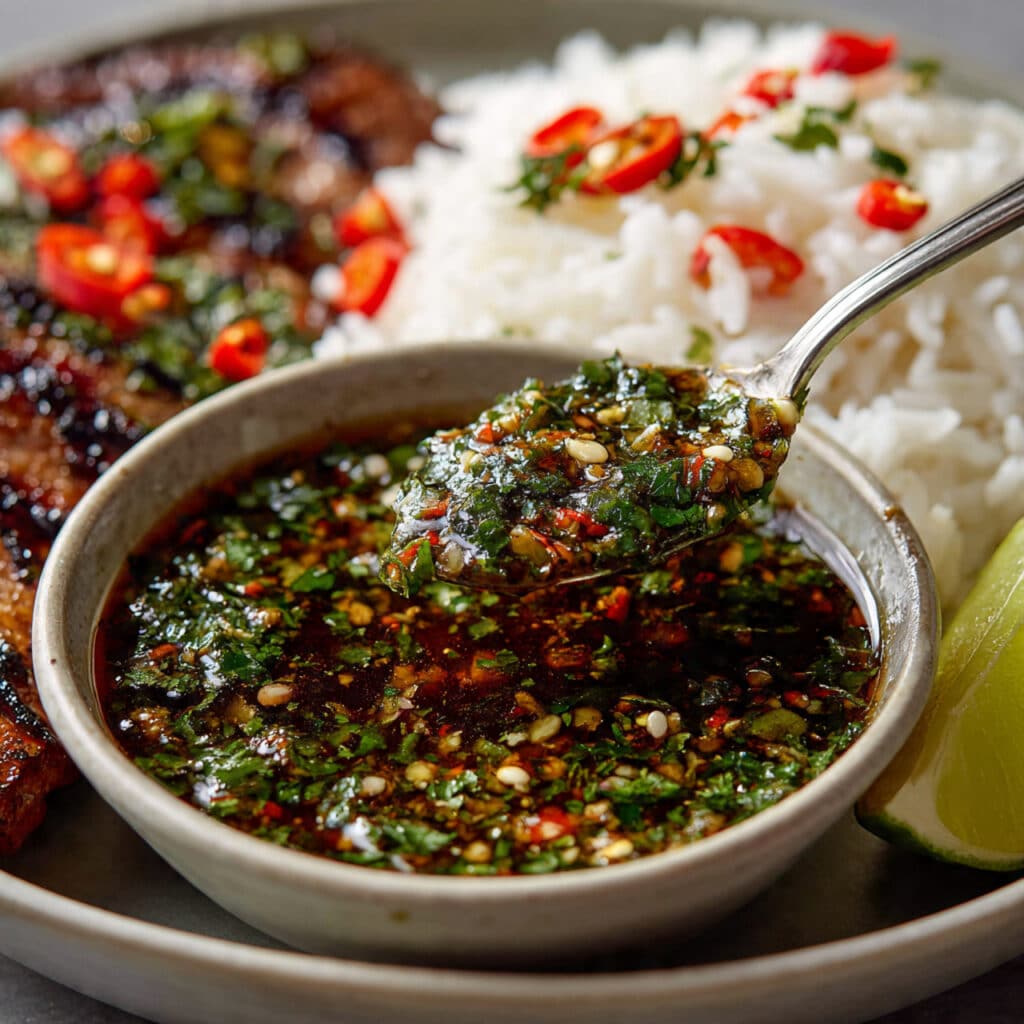
Thai Dipping Sauce is not just flavorful, it can also fit well into a balanced way of eating. Because Thai Dipping Sauce relies on bold flavors, you often need only a small amount to feel satisfied. This naturally helps with portion control while still delivering a satisfying taste experience.
Fish sauce provides sodium, so moderation is important, but it also brings umami that reduces the need for additional salt elsewhere in the meal. Lime juice and tamarind contribute vitamin C and antioxidants, supporting freshness and brightness in the Thai Dipping Sauce. Garlic and eschalots offer natural compounds associated with immune support and digestion.
When compared to heavy creamy sauces, Thai Dipping Sauce feels light and refreshing. It contains no dairy and very little fat, making it suitable for many dietary preferences. Adjusting the sugar level allows you to tailor the Thai Dipping Sauce to your nutritional goals without sacrificing flavor.
For additional perspectives and inspiration on Thai Dipping Sauce, you can explore detailed approaches at Thai Dipping Sauce which dives into flavor balance, and Thai Dipping Sauce for Spring Rolls (Nam Jim Po Piah) which shows how Thai Dipping Sauce shines alongside fresh rolls.
From this point forward, Thai Dipping Sauce becomes more than a condiment. It becomes a smart, flavorful addition to meals that value freshness, balance, and satisfaction.
Make Ahead, Storage, and Freezing Guide
This sauce is one of those rare condiments that actually improves when made ahead of time. Preparing it a few hours in advance allows the flavors to soften and blend, creating a smoother and more rounded taste. If you are planning a meal with grilled meats, fried snacks, or fresh vegetables, making the sauce earlier in the day can take pressure off later and improve the final result.
For short term storage, place it in a clean glass jar or airtight container and keep it in the refrigerator. It will stay fresh for up to five days. During this time, the aromatics continue to mellow, and the sharp edges of garlic and onion become gentler. Always give it a good stir before serving, as ingredients can settle at the bottom.
Freezing is not recommended. The fresh citrus and aromatics lose their brightness after thawing, and the texture can become uneven. This is a sauce that shines best when enjoyed fresh or within a few days. If you need it again later, it is far better to make a new batch rather than rely on frozen leftovers.
If the sauce thickens slightly in the refrigerator, let it sit at room temperature for a few minutes and stir well. A small splash of water can help bring it back to its original consistency without affecting the flavor balance.
Common Mistakes to Avoid
One of the most common mistakes is skipping the resting time. Mixing and serving immediately can result in a sharp and disconnected taste. The resting period allows the ingredients to get to know each other, which is essential for depth and harmony.
Another frequent issue is cutting the aromatics too coarsely. Large pieces of garlic or onion can overpower individual bites and create an uneven texture. Taking the time to mince everything very finely makes a noticeable difference in both flavor and mouthfeel.
Overusing chili is another pitfall. Heat should support the other flavors, not dominate them. Adding too much spice can mask the subtle sour and sweet notes that make the sauce enjoyable. It is always better to start small and adjust gradually.
Using bottled lime juice instead of fresh can also dull the final taste. Fresh citrus provides brightness and aroma that bottled versions simply cannot replicate. If you want the sauce to taste vibrant and alive, fresh juice is worth the extra effort.
Finally, not tasting as you go can lead to imbalance. Ingredients like tamarind, fish sauce, and sugar can vary in intensity. Small adjustments during mixing ensure a well rounded result every time.
Cultural and Historical Background
In Thai cuisine, dipping sauces are not afterthoughts. They are central to the dining experience and often served alongside meals rather than poured directly over food. This allows each person to adjust flavors to their own preference, which reflects the communal and flexible nature of Thai eating culture.
These sauces evolved from a need to enhance simple foods like grilled meats, steamed vegetables, and rice. With limited ingredients, cooks learned to layer flavors in thoughtful ways. Sour elements cut through richness, salt enhances natural taste, sweetness softens sharp edges, and heat brings energy to the dish.
Different regions developed their own styles based on local ingredients and preferences. Coastal areas leaned toward brighter and saltier profiles, while inland regions often favored deeper, slightly sweeter combinations. Despite these variations, the core philosophy remained the same, balance above all else.
Today, these traditional condiments continue to be served at family meals, street stalls, and celebrations. They represent more than flavor. They reflect history, resourcefulness, and the belief that good food should bring people together around the table.
Serving Ideas and Pairings
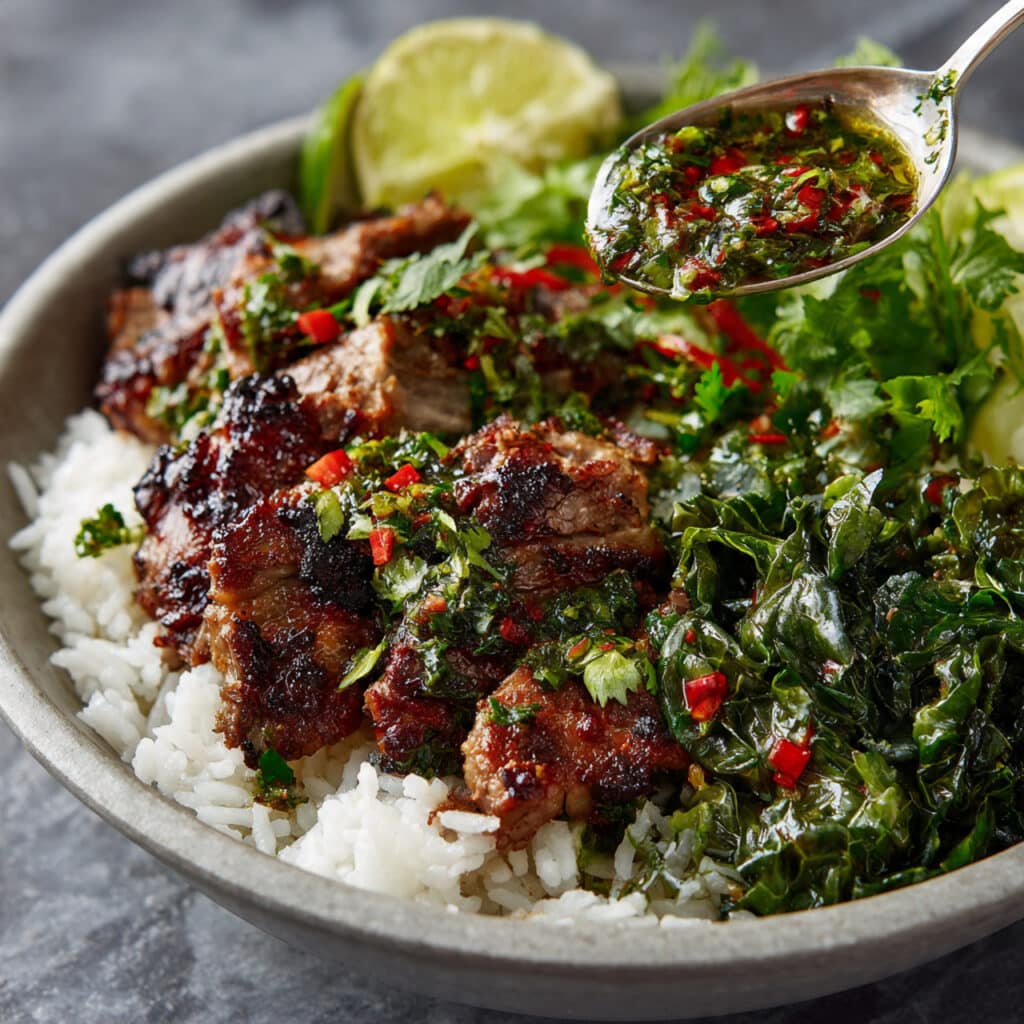
This sauce is incredibly versatile, which is why it shows up on so many Thai tables. It pairs beautifully with grilled chicken, especially when the meat has been lightly charred and still juicy inside. The contrast between smoky flavors and bright acidity feels natural and comforting. It also works wonderfully with pork skewers, grilled shrimp, or crispy fish, where the tangy notes cut through richness and refresh the palate.
Vegetables benefit just as much. Steamed greens like morning glory, broccoli, or green beans become far more exciting with a small bowl on the side. Fried snacks such as spring rolls, tofu, or fritters gain balance when dipped into something sharp and lively. Even simple rice dishes feel more complete when served alongside it.
Fresh dishes are another great match. Use it as a dipping option for rice paper rolls filled with herbs, noodles, and vegetables. The freshness of mint, basil, and lettuce plays nicely with the sauce’s bold profile. It can also be spooned lightly over sliced cucumbers or tomatoes for a quick, refreshing side.
For gatherings, serve it in a small bowl at the center of the table and let everyone help themselves. This encourages sharing and conversation, which is very much in the spirit of Thai meals. A little goes a long way, so even a modest amount can serve several people.
Conclusion
This recipe is a perfect example of how simple ingredients can come together to create something deeply satisfying. It does not rely on complexity or heavy techniques. Instead, it shows how balance, patience, and care can transform everyday components into something memorable.
Making it at home allows you to adjust flavors to your own taste and understand how Thai cooking works at its core. Sour, salty, sweet, and spicy are not competing elements here. They support one another and create harmony in every bite. Once you become comfortable with this base, it opens the door to exploring many other Thai flavors with confidence.
Whether you are cooking for family, friends, or just yourself, this sauce adds warmth and personality to the table. It carries stories of shared meals, quick snacks, and thoughtful cooking passed down through generations. Bringing it into your kitchen is a small but meaningful way to connect with that tradition.
Frequently Asked Questions (FAQ)
How do you make Thai dipping sauce?
It is made by combining a sour element like tamarind or lime, a salty component such as fish sauce, a sweetener like palm sugar, and aromatics including garlic and shallots. Everything is mixed until smooth and then rested so the flavors can meld together naturally.
What are the five Thai sauces?
Commonly recognized sauces in Thai cooking include fish sauce, soy sauce, oyster sauce, shrimp paste, and chili sauces. Each plays a different role, from adding saltiness to depth and heat.
What is Thai dipping sauce called?
In Thailand, dipping sauces are often referred to as nam jim. There are many types under this name, each designed to complement specific foods such as grilled meats, seafood, or fresh rolls.
What is the best Thai dipping sauce?
The best one is always the one that feels balanced to your own taste. Traditionally, the most loved versions achieve harmony between sour, salty, sweet, and heat without letting one overpower the others. Fresh ingredients and proper resting time make a big difference in overall quality.
Thai Dipping Sauce
- Prep Time: 10 minutes
- Cook Time: 0 minutes
- Total Time: 40 minutes
- Yield: About 1/2 cup 1x
- Category: Sauce
- Method: No-cook mixing
- Cuisine: Thai
- Diet: Gluten Free
Description
A classic Thai-style dipping sauce that balances sour, salty, sweet, and optional heat, perfect for grilled meats, seafood, vegetables, and fresh rolls. Simple to prepare, deeply flavorful, and inspired by traditional Thai home cooking.
Ingredients
- 1 tbsp tamarind puree
- 2 tbsp fish sauce
- 2 tbsp lime juice (or 1 1/2 tbsp rice vinegar)
- 2 tbsp brown sugar or palm sugar, shaved
- 1 tbsp hot water
- 1 tsp garlic, very finely minced
- 1 1/2 tbsp green onion, very finely minced
- 1 tbsp eschalots, very finely minced
- 1/2 to 2 tsp red Birds Eye chilli or Thai chilli, deseeded and very finely minced (optional)
Instructions
- Place the tamarind puree, fish sauce, lime juice, brown sugar or palm sugar, and hot water into a small bowl.
- Stir well until the sugar is completely dissolved and the mixture looks smooth and glossy.
- Add the finely minced garlic, green onion, eschalots, and optional chilli to the bowl.
- Mix gently until all ingredients are evenly combined.
- Set aside at room temperature for at least 30 minutes to allow the flavors to meld before serving.
Notes
- Adjust the level of chili to suit your heat preference.
- Finely mincing the aromatics creates a smoother texture and better flavor balance.
- Allowing the sauce to rest is essential for the best taste.
- Taste before serving and adjust sour, sweet, or salty elements if needed.
Nutrition
- Serving Size: 1 tablespoon
- Calories: 35
- Sugar: 4 g
- Sodium: 420 mg
- Fat: 0 g
- Saturated Fat: 0 g
- Unsaturated Fat: 0 g
- Trans Fat: 0 g
- Carbohydrates: 6 g
- Fiber: 0.3 g
- Protein: 0.5 g
- Cholesterol: 0 mg
Keywords: Thai dipping sauce, Thai dipping sauce recipe, authentic Thai dipping sauce, best Thai dipping sauce, Thai dipping sauce for chicken, Thai dipping sauce Prik Nam Pla, clear Thai dipping sauce, types of Thai dipping sauce, Thai dipping sauce peanut