
Thai Kabocha Squash Curry: Bold, Creamy, and Irresistibly Good
Thai Kabocha Squash Curry is one of those dishes that feels like a warm hug the moment you smell it simmering on the stove, and every time I cook it I remember why I love sharing Thai food so much. The creamy coconut milk, the tender sweet squash, the gentle heat from red curry paste, everything blends together in a way that feels comforting and a little magical.
At Just Thai Recipes, my mission has always been to bring the warmth and comfort of real Thai cooking into everyday home kitchens. My love for Thai food began years ago in my grandmother’s kitchen, where I watched her cook with patience, joy, and an unspoken belief that good food comes from the heart. Those memories shaped the way I cook today and inspired the creation of this website.
I built Just Thai Recipes to feel like stepping into a cozy Thai kitchen filled with laughter, sizzling pans, fresh herbs, and the familiar aroma of garlic and chili warming in the air. Every recipe I share here is meant to connect you with the authentic flavors that defined my childhood. Whether you are discovering Thai food for the first time or already love the balance of sweet, salty, spicy, and sour that makes it special, my goal is to guide you with simple steps and friendly advice so you always feel confident cooking at home.
This website is more than a recipe collection. It is a celebration of family traditions, cultural stories, and the belief that food brings people together. I hope these dishes help you create your own memories at home just as I did growing up. When you cook from Just Thai Recipes, you are not just following instructions. You are sharing in a story filled with heart, comfort, and the spirit of Thai cuisine.
When you learn how to make Thai Kabocha Squash Curry the right way, something changes in how you feel about homemade Thai cooking. Many people say they are nervous about creating Thai flavors at home, especially when it comes to curries, but this dish is honestly very gentle and forgiving.
It brings the sweetness of kabocha squash together with the richness of coconut milk which creates a balance that even beginners love. You can explore many variations of this dish too, like a Thai kabocha squash curry recipe with coconut milk that tastes deeply creamy or a Thai kabocha squash curry recipe easy enough for weeknights when you need something simple. Some people even compare it to a kabocha squash curry Indian style or a Japanese kabocha squash curry because the squash brings out similar cozy flavors across cultures.
Still, the authentic Thai kabocha squash curry recipe remains unique, and this version is built to feel like the best Thai kabocha squash curry recipe you can make at home.
As you read through this guide, you will notice small tips and sensory cues that help you understand what is happening in the pot. I write this way because I want you to feel confident and relaxed while cooking. Thai Kabocha Squash Curry is gentle and kind, and once you understand the rhythm of it, you can cook it almost effortlessly.
Table of Contents
Table of Contents
Ingredients Overview
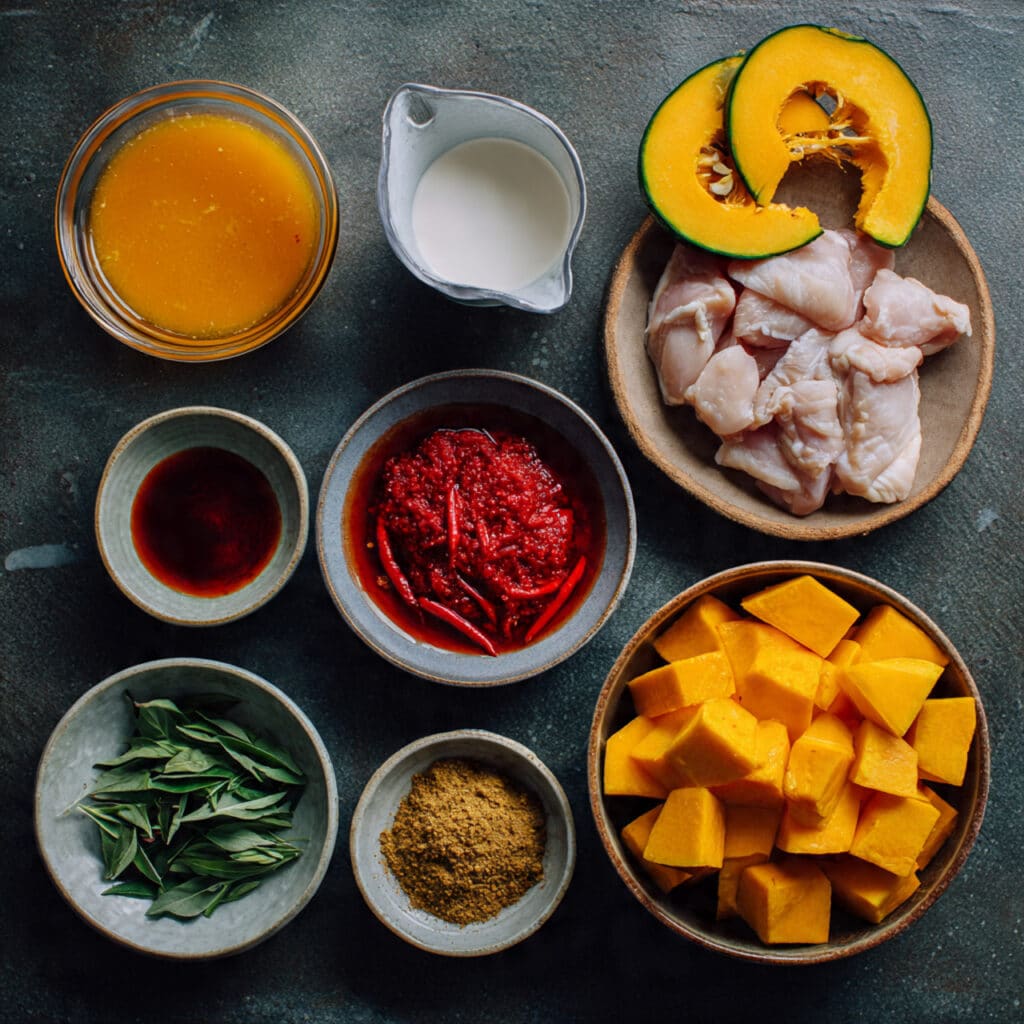
To truly enjoy the depth of Thai Kabocha Squash Curry, it helps to understand how each ingredient behaves in the pot and why it matters. Since this dish is built on a foundation of coconut milk and red curry paste, the flavor journey begins from the very moment these two meet. When you heat coconut milk until the oils separate, it creates a fragrant base where the spices in your curry paste can bloom. This simple step is often overlooked by beginners, but it shapes the entire character of your Thai Kabocha Squash Curry. The smell becomes richer, the color deepens, and the curry develops a softness that feels warm and round on the palate.
Next comes the chicken thighs. You can use breast meat if you want, but thighs bring tenderness and a little natural fat which helps the curry feel fuller. They soak up the red curry paste beautifully which means they become little pockets of flavor. When you add the fish sauce, it enhances the savory note which makes the sweetness of the kabocha squash shine even more. The kabocha squash is the star ingredient, and one of the reasons Thai Kabocha Squash Curry is loved by so many. It becomes creamy as it cooks, almost melting into the coconut milk, yet still holding enough shape to offer soft bites that feel comforting.
The kaffir lime leaves add a fresh citrus lift which keeps the curry from feeling too heavy. Palm sugar helps round out the spice and salt. Sweet basil adds a gentle perfume right at the end so the dish finishes with a smell that feels bright and herbal. Even the prik chi fa chili has a role, bringing a soft heat that you can adjust depending on your preference. Some cooks prefer a milder bowl for a simple Thai kabocha squash curry recipe while others like the stronger heat found in many authentic Thai kabocha squash curry recipe versions.
Below is the full ingredient list exactly as needed:
300 ml coconut milk, divided into 200 ml and the remaining amount
1 tbsp or 15 g red curry paste
200 g chicken thighs cut into bite sized pieces
1 tbsp or 15 ml fish sauce
400 g kabocha squash cut into bite sized pieces
200 ml water
1 prik chi fa chili sliced
0.5 tbsp or 7 g palm sugar
3 kaffir lime leaves cut into thin strips
5 g sweet basil
These ingredients come together to create a balance of sweet, salty, creamy, and lightly spicy flavors which are essential for the best Thai Kabocha Squash Curry recipe. Once you understand how each piece works, you can modify or adjust the dish in many ways, whether you want a simple Thai kabocha squash curry recipe or something more layered like a kabocha squash curry Thai or even a Japanese kabocha squash curry inspired twist. But for now, let us move into the step by step process that builds confidence and clarity for every cook.
Step by Step Preparation Guide
Step 1 Heating and splitting the coconut milk
Start by pouring 200 ml of the coconut milk into your pot or wok. Use medium heat, not too low and not too high. You want the surface to gently bubble until you begin to see the oils separating from the milk. This is a key moment in Thai Kabocha Squash Curry because the separation tells you the coconut milk is ready to welcome the curry paste. The smell becomes savory and slightly sweet which is a sign you are on the right track. Many cooks skip this step but it makes a noticeable difference. When the oils rise, the curry paste blends more deeply which gives your Thai Kabocha Squash Curry a richer body.
Step 2 Mixing the curry paste
Once the oils appear, add the red curry paste. Use your spatula to gently press it into the bubbling coconut milk so that the paste softens and dissolves. The color should turn brighter and the aroma becomes stronger. This step helps the spices in the paste open up. As you stir, imagine layering flavor upon flavor because that is truly what is happening. A Thai kabocha squash curry recipe with coconut milk always begins by honoring the paste.
Step 3 Adding chicken and fish sauce
Put in the chicken thighs and gently stir so each piece is coated in the curry mixture. The chicken absorbs the paste quickly and starts to cook slightly in the heat. Add the fish sauce here so it seasons the chicken evenly. You will notice the aroma deepen. This is the base of your Thai Kabocha Squash Curry forming its foundation.
Step 4 Adding the kabocha squash
Now add the kabocha squash. It should be cut in even pieces so they cook at the same rate. Stir it gently and let it sit in the curry mixture for a few minutes. As it cooks, the squash begins to soften and release natural sweetness which blends beautifully with the coconut milk.
Step 5 Pouring the remaining coconut milk and water
Pour in the rest of the coconut milk and add the water. The curry becomes more fluid and begins simmering in a gentle motion. Cover the pot and reduce the heat to low. Let it simmer for 15 to 20 minutes. This step transforms everything. The squash softens, the chicken tenderizes, and the flavors become rounder and more comforting.
Step 6 Final seasoning
Add the sliced chilies, kaffir lime leaves, and the palm sugar. Let everything simmer for one more minute so the flavors settle into a complete harmony.
Step 7 Finishing with fresh basil
Turn off the heat and drop in the sweet basil. As it wilts, its aroma rises beautifully. Stir once or twice then serve your Thai Kabocha Squash Curry with warm rice.
Helpful Tips and Techniques
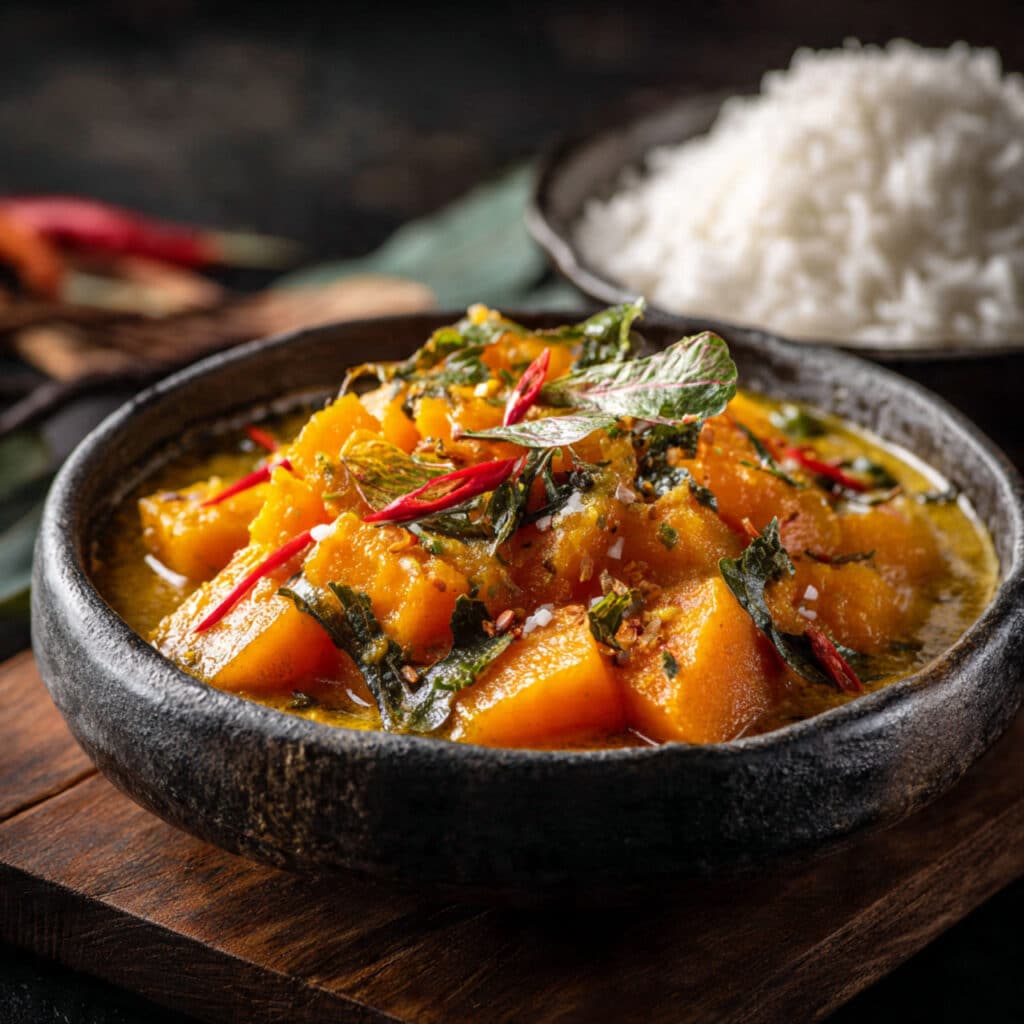
Cooking Thai Kabocha Squash Curry becomes easier and more enjoyable when you understand a few small but meaningful techniques that shape the final flavor. One of the first things to remember is that coconut milk behaves differently depending on the brand and thickness. Some brands separate quickly while others stay smooth. If yours does not separate easily, do not worry. You can simply continue heating until the liquid thickens slightly which still creates a good foundation. The important part is that you give your red curry paste a warm, oily surface where its spices can bloom. This is something that makes Thai Kabocha Squash Curry taste rounder and more aromatic.
Another helpful technique is controlling your heat level throughout the cooking process. Thai curries are never rushed. Medium heat is perfect for opening the coconut milk, low heat is ideal for simmering, and a short high heat burst is used only if you need to evaporate excess liquid. If your curry becomes too thick, add a splash of water. If it becomes thin, let it simmer uncovered for a few minutes. Thai Kabocha Squash Curry should land somewhere between a creamy stew and a pourable sauce, something that coats rice beautifully without feeling heavy.
Kabocha squash itself can be tricky to cut, so it helps to microwave it for two minutes which softens the skin just enough to make slicing easier. Once you master this, preparing your Thai Kabocha Squash Curry feels smoother and faster. You can also adjust the softness of the squash by cutting smaller or larger cubes. Small cubes blend into the curry more and create a velvety feel while larger ones hold their shape and offer tender bites.
When working with kaffir lime leaves, stack them, roll them lightly, and slice into thin strips. This helps release their oils without overpowering the curry. The same idea applies when adding basil. Tear the basil by hand instead of cutting it which keeps its natural aroma intact. The basil should be added at the very end because prolonged heat makes it dark and dull in flavor.
Ultimately, the best technique of all is patience. Let the curry simmer slowly, let the squash soften gradually, and let the flavors settle in layers. When you give the dish a little time, it rewards you with a deep, comforting flavor that feels lovingly homemade.
Recipe Variations and Alternatives
One of the many reasons cooks adore Thai Kabocha Squash Curry is how flexible and forgiving it can be. The base recipe is beautifully balanced but there are countless ways to adapt it depending on your mood, ingredients, or dietary needs. Some people prefer a Thai kabocha squash curry recipe easy enough for busy nights which means reducing the ingredient list and preparing a simpler version. You can skip the chilies, use store bought red curry paste, and even replace chicken with tofu if you want something quicker and lighter. The simmering process remains the same and the flavor still feels comforting and familiar.
Another variation is the Thai kabocha squash curry recipe with coconut milk in a richer style. This version uses a full fat coconut milk plus an extra spoon of curry paste. The result is smoother and creamier, almost luxurious. People who enjoy a deep coconut flavor often love this approach. If you want something even more customized, you can increase the palm sugar for sweetness or add more basil for a stronger herbal aroma.
Some cooks explore a kabocha squash curry Indian style which brings in turmeric, cumin, or coriander. Although these spices are not traditional in Thai curries, their warm notes complement squash beautifully. You can also create a Japanese kabocha squash curry version which tends to be milder, slightly sweet, and sometimes thickened with Japanese curry roux. This variation feels cozy and familiar if you love Japanese comfort food, yet it still reminds you of the soft, creamy flavor of Thai Kabocha Squash Curry.
For anyone seeking a fully authentic Thai kabocha squash curry recipe, keep the technique simple and respect the balance of sweet, salty, spicy, and creamy flavors. Do not overload the dish with too many additional spices. Instead, enhance what is already there. For example, adding a handful of Thai basil at the end, a sprinkle of fresh chili slices, or an extra strip of kaffir lime leaf keeps the curry true to its origins while still letting you express your own taste.
This knowledge deepens your appreciation for the flavor base of your curry and helps you make smarter adjustments when you want to explore new variations. Whether you keep things simple, explore international influences, or double down on tradition, Thai Kabocha Squash Curry remains versatile, warm, and always delicious.
Nutrition and Health Insights
Understanding the nutritional profile of Thai Kabocha Squash Curry helps you appreciate the dish even more because it reveals how comforting food can also be nourishing. Kabocha squash itself is naturally rich in beta carotene which supports healthy vision and boosts the immune system. It contains fiber which helps digestion and creates a steady, satisfying fullness that lasts long after your meal. This is one of the reasons Thai Kabocha Squash Curry feels comforting without feeling heavy.
Coconut milk contributes healthy fats that support brain function and create long lasting energy. Even though it is rich, coconut milk in moderation brings balance and satiety which means you feel satisfied without overeating. When combined with squash, the richness becomes almost silky, comforting your mouth while still offering essential nutrients. The curry paste adds spices and herbs which support digestion and increase circulation. These spices also provide antioxidants which add small but meaningful benefits to your daily diet.
Chicken thighs bring lean protein that supports muscle health and energy. If you prefer a lighter version, you can replace them with tofu or chickpeas to keep a good protein profile while shifting into a plant based variation. These adjustments allow you to enjoy Thai Kabocha Squash Curry even when following specific dietary goals.
Kaffir lime leaves contribute essential oils that may support respiratory health. Basil adds vitamins A, C, and K which help with inflammation and overall wellness. Fish sauce adds sodium, so you can adjust the amount if you need to reduce salt intake. Palm sugar brings depth to the flavor, but the quantity is small, only enough to balance the savory and spicy elements.
Make Ahead, Storage, and Freezing Guide
Preparing Thai Kabocha Squash Curry ahead of time can make your week feel relaxed and even joyful because this curry tastes better after it rests. The flavors have time to deepen which makes the coconut milk richer and the spices softer and rounder. If you want to make the dish in advance, cook it completely and let it cool for about thirty minutes. Once the steam fades, transfer it to an airtight container. The curry will stay fresh in the refrigerator for up to four days. During this time the squash becomes even more tender which many people actually prefer.
When you reheat Thai Kabocha Squash Curry, do it slowly. Place it in a pot over low heat and let it warm gradually. Stir gently so the coconut milk stays smooth and does not separate. If the curry looks thicker after refrigeration, add a splash of water or a spoonful of coconut milk to bring back the original texture. This softness is important because a good Thai Kabocha Squash Curry should feel creamy and comforting every time you eat it.
If you like freezing meals, this curry freezes beautifully as long as you handle the squash carefully. Place the cooked Thai Kabocha Squash Curry in freezer safe containers and leave a little space at the top for expansion. Freeze for up to two months. When you are ready to enjoy it, thaw the container in the refrigerator overnight. Heating from frozen is not ideal because it may cause the coconut milk to break. A slow thaw gives you a smoother, silkier result.
Some people prefer preparing just the ingredients ahead of time. You can cut the squash, slice the chilies, measure the curry paste, clean the basil, and trim the kaffir lime leaves the night before. This makes the cooking process fast and enjoyable. If you want a deeper understanding of how prepping vegetables affects texture in coconut based curries, the guide at Vegan Thai Kabocha Squash Curry provides a gentle plant based angle which can help you refine your vegetable prep. The way ingredients are handled before cooking changes how they soften and release flavor which is always important for Thai Kabocha Squash Curry.
If your goal is long term planning, you can even freeze raw cubes of kabocha squash. Keep them in a freezer bag and use them directly in the curry. They cook slightly faster than fresh pieces but still blend into the curry beautifully. This makes it easier to enjoy Thai Kabocha Squash Curry whenever you want without the stress of cutting tough squash on busy days.
Common Mistakes to Avoid
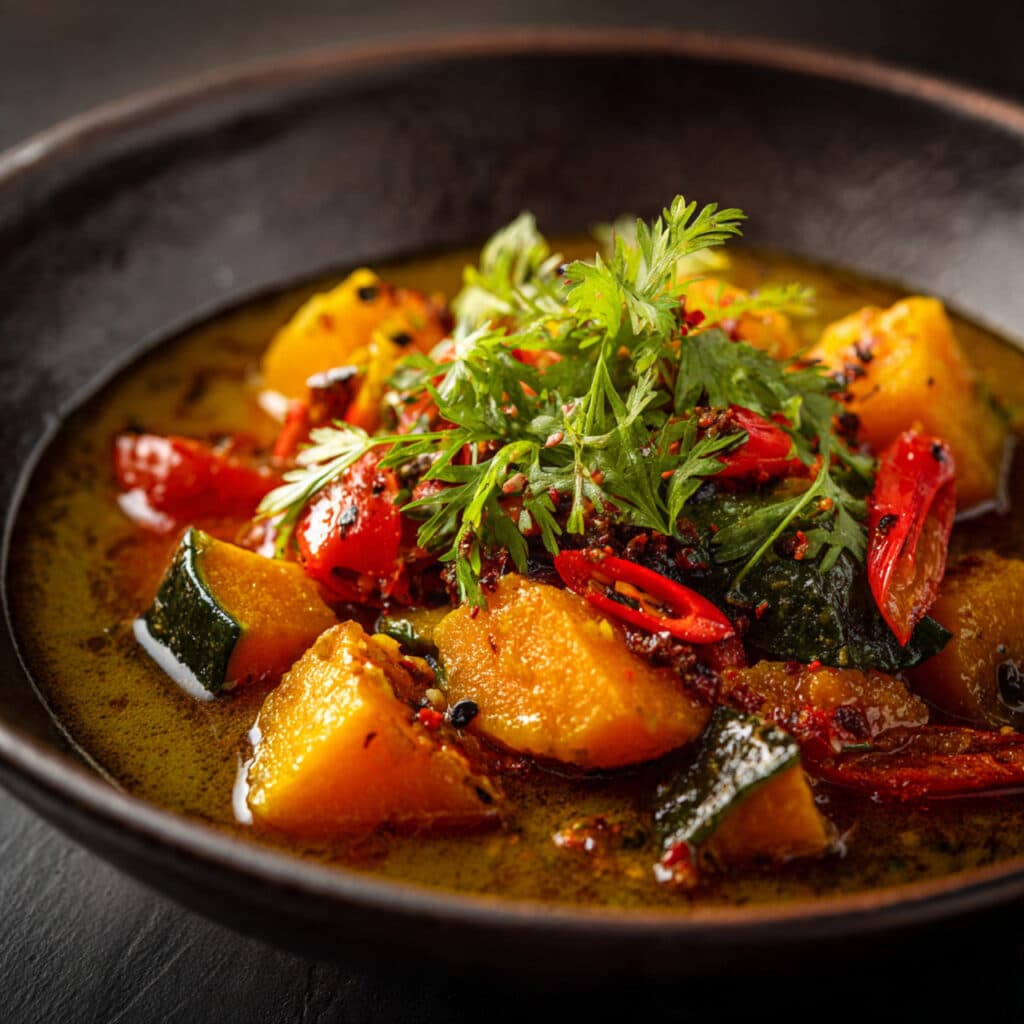
Even the most comforting dishes have a few pitfalls, and Thai Kabocha Squash Curry is no exception. These mistakes are easy to avoid once you understand what causes them and how to correct them. One of the most common mistakes is rushing the coconut milk separation. Many people turn the heat too high which causes the milk to scorch or bubble too aggressively. Patience is key. Use medium heat and let the milk slowly open so the oils rise on their own. This step is essential because the curry paste needs an oily surface to bloom. Without this moment, your Thai Kabocha Squash Curry may taste flat or less vibrant.
Another frequent mistake is cutting the squash too large. Oversized pieces take longer to soften which may cause the chicken to overcook. The texture becomes uneven. Aim for bite sized cubes which soften at the perfect pace and blend into the coconut broth. If you are unsure how squash should look inside a Thai curry, the method shown at Authentic Thai Red Curry with Chicken shows a helpful example. Observing how other cooks prepare their vegetables can teach you subtle cues that improve your own Thai Kabocha Squash Curry.
Adding basil too early is another misstep. Heat dulls basil quickly which makes it lose its aroma and turn dark. Always add basil after you turn off the heat. Stir once and let the residual warmth gently wilt the leaves. You will smell the aroma rising which tells you the timing is right.
Some cooks accidentally make the curry too sweet by adding extra palm sugar. Thai food loves balance and sugar should never dominate the dish. A half tablespoon is just enough to round out the heat and salt. The sweetness should support the squash, not overpower it. If your Thai Kabocha Squash Curry ever feels too sweet, add a little fish sauce to bring back balance.
Another mistake is simmering uncovered the entire time. This allows the liquid to evaporate too quickly which may cause the squash to dry out or break apart. For the best texture, keep the pot covered for most of the simmering period. If the curry becomes too thin at the end, you can simmer uncovered for a few minutes to thicken it naturally.
Understanding these mistakes and how to avoid them helps you grow as a cook. The more you learn, the easier it becomes to trust your senses. Before long, your Thai Kabocha Squash Curry will feel intuitive and wonderfully personal.
Cultural and Historical Background
The story of Thai Kabocha Squash Curry begins with the rich history of Thai curries themselves which developed through centuries of trade, agricultural abundance, and cultural blending. Thailand has always been a land of fertile soil, vibrant spices, and tropical crops. Coconut trees grew naturally across the coastal regions which made coconut milk a foundational ingredient in many dishes.
As trade routes expanded, chili peppers arrived from the Americas and quickly found a home in Thai cuisine. Over time Thai cooks discovered that combining chilies with aromatic roots and herbs such as lemongrass, galangal, and kaffir lime could create powerful curry pastes that shaped what we now know as traditional Thai curries.
Kabocha squash entered Thai cuisine later through regional and agricultural exchange. Although originally cultivated in parts of Asia, including Japan, the squash found a natural place in Thai cooking because its sweet, earthy flavor paired beautifully with coconut milk. Its soft texture made it ideal for curries which already celebrated vegetables that soften into the broth. As Thai cooks blended local ingredients with new ones, squash became a natural addition to red curry dishes.
The use of red curry paste in Thai Kabocha Squash Curry reflects a deep heritage tied to central Thai cooking. Red curry paste is one of the most iconic mixtures in Thai cuisine because it balances heat, earthiness, and bright aromatics. When combined with coconut milk, it creates the familiar creamy red curry that many people around the world adore. Thai families often made their curry pastes by hand using a stone mortar because the rhythmic grinding helped release oils and aromas in a way that machines could not fully replicate.
What makes Thai Kabocha Squash Curry so meaningful is how it reflects the everyday cooking traditions of Thai households. Many Thai families cook with seasonal produce which means squash appears in various curries, soups, and stir fries depending on availability. This type of cooking celebrates practicality, comfort, and balance. It reminds people that Thai cuisine is not only about rich restaurant dishes but also about quiet home cooking where tenderness and warmth shape each bowl.
The global popularity of Thai curries brought dishes like Thai Kabocha Squash Curry into homes all over the world. People began adapting the dish to fit their local ingredients, which created variations like Japanese kabocha squash curry or Indian influenced squash curries. Despite the variations, the heart of the dish remains the same. It is a bowl of comfort built on the harmony of sweet, spicy, salty, and creamy flavors.
Understanding the cultural background enhances your appreciation for the dish. When you cook Thai Kabocha Squash Curry, you are participating in a culinary tradition shaped by generations of cooks who valued balance, freshness, and the emotional warmth that good food brings to families and communities.
Serving Ideas and Pairings
Serving Thai Kabocha Squash Curry is one of the most enjoyable parts of the cooking experience because the dish pairs beautifully with many textures and flavors. The richness of the coconut milk and the sweetness of the squash open the door for both simple and more layered serving options. Many people love enjoying Thai Kabocha Squash Curry with warm jasmine rice because the fragrant grains soak up the creamy sauce in such a satisfying way. Each spoonful feels comforting, gentle, and well balanced. If you prefer a nuttier rice, try serving Thai Kabocha Squash Curry with brown jasmine rice which adds a deeper aroma and a slightly firmer bite.
Another wonderful pairing is steamed rice noodles. They create a tender base that absorbs the curry without competing with its flavors. When you pour Thai Kabocha Squash Curry over noodles, you get a dish that feels both silky and light which is perfect for warm days or quiet evenings when you want something soothing. Some cooks even like pairing Thai Kabocha Squash Curry with roti or soft flatbread because the bread allows you to scoop the curry in little folds which makes each bite feel playful and comforting.
Vegetable sides can also add brightness to the meal. A simple plate of blanched green beans or crispy bok choy can bring a fresh contrast to the creamy texture of Thai Kabocha Squash Curry. The mild bitterness of greens helps balance the sweetness of the squash, creating a full and harmonious meal. A cucumber salad with lime juice and a pinch of salt also pairs beautifully with Thai Kabocha Squash Curry because it cleanses the palate between bites and keeps the meal feeling light.
If you want a more festive table, consider pairing Thai Kabocha Squash Curry with a mild soup such as a light lemongrass broth or a simple clear mushroom soup. These pairings help balance the richness of the curry and offer variety without overpowering your main dish. You can also serve Thai Kabocha Squash Curry alongside grilled chicken skewers or baked tofu for added protein.
For people who enjoy a plant forward meal, adding extra vegetables like steamed broccoli, roasted carrots, or stir fried peppers on the side creates a beautiful spread that brings out the natural sweetness of the curry. Every vegetable absorbs the sauce in a slightly different way which keeps the meal interesting.
When you serve Thai Kabocha Squash Curry, think of the dish as the warm center of the meal. Whether you keep the table simple or fill it with colorful plates, the curry brings comfort and balance to everything around it. Above all, serve it hot because the aroma of basil, the coconut creaminess, and the tender squash reach their fullest expression when the dish is freshly warmed.
Conclusion
Bringing everything together, Thai Kabocha Squash Curry is more than just a comforting bowl of coconut and squash. It is a dish that teaches patience, balance, and the beauty of simple ingredients transforming into something rich and memorable. Throughout this guide you learned how each step, from separating the coconut milk to stirring in the basil at the end, builds depth and warmth into the final dish. Thai Kabocha Squash Curry feels naturally comforting which is why so many cooks return to it again and again.
Cooking Thai Kabocha Squash Curry helps you appreciate how Thai cuisine blends sweetness, spice, and creaminess without ever letting one flavor overpower the others. The squash adds softness, the coconut milk brings silkiness, the curry paste adds aroma and heat, and the basil finishes everything with a bright herbal fragrance. Once you understand how these pieces come together, the dish becomes easy and intuitive to cook anytime you crave something soothing and delicious.
Another beautiful thing about Thai Kabocha Squash Curry is its versatility. You can make it richer with extra coconut milk or lighter with more broth. You can switch proteins, explore vegetarian versions, or adjust the spice level to fit your family’s preferences. No matter how you choose to prepare it, the heart of the dish remains the same which is a warm embrace of comforting flavors that feel both familiar and exciting.
As you continue exploring Thai cooking, remember that every dish is an opportunity to create a small moment of joy. Thai Kabocha Squash Curry reminds you that cooking well has less to do with perfection and more to do with presence. Listen to the sound of simmering, enjoy the aroma rising from the pot, and trust your senses. With each batch, your confidence will grow and your understanding of these flavors will deepen.
I hope this detailed guide inspires you to cook Thai Kabocha Squash Curry often and to share it with people you care about. Every bowl carries a bit of Thai tradition, a bit of home kitchen warmth, and a whole lot of flavor that lingers long after the last bite.
Frequently Asked Questions
How spicy is Thai Kabocha Squash Curry supposed to be?
Thai Kabocha Squash Curry is usually mildly spicy but the heat level depends entirely on the type and amount of curry paste you use. Red curry paste ranges from gentle to hot depending on the brand. If you prefer a mild curry, use less paste and skip the extra chilies. If you enjoy heat, increase the curry paste and add more prik chi fa slices. Thai Kabocha Squash Curry always welcomes small adjustments so you can create your perfect bowl.
Can I use a different type of squash in place of kabocha?
You can replace kabocha with butternut squash or sugar pumpkin if needed. While kabocha squash offers the creamiest and sweetest result, other squashes still create a lovely version of Thai Kabocha Squash Curry with a slightly different texture. Butternut squash becomes soft more quickly which may create a smoother and lighter curry. Adjust your simmer time based on the tenderness of the squash you choose.
Why did my Thai Kabocha Squash Curry turn out too thin?
Thai Kabocha Squash Curry can become thin if the heat is too low or the pot remains uncovered for too long. To fix it, simmer the curry uncovered for a few minutes until it thickens naturally. You can also add a small amount of coconut cream to bring back richness. If your curry becomes too thin again in the future, try cutting the squash slightly smaller because it releases starch which helps thicken the broth.
Can I make Thai Kabocha Squash Curry vegetarian or vegan?
Yes, you can make Thai Kabocha Squash Curry completely vegetarian or vegan by replacing chicken with tofu or chickpeas and swapping fish sauce for soy sauce. The rest of the ingredients remain the same. The coconut milk and squash still create a creamy and comforting texture which means the dish stays satisfying even without meat. Many people enjoy vegan Thai Kabocha Squash Curry because the squash becomes the star of the dish.

Thai Kabocha Squash Curry
- Prep Time: 10 minutes
- Cook Time: 25 minutes
- Total Time: 35 minutes
- Yield: 4 servings 1x
- Category: Main Course
- Method: Stovetop
- Cuisine: Thai
- Diet: Halal
Description
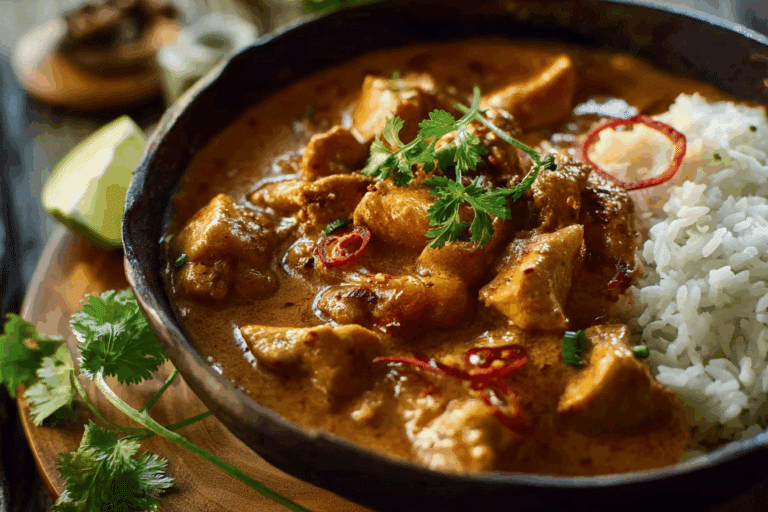
A rich and comforting Thai Kabocha Squash Curry made with creamy coconut milk, tender chicken thighs, sweet kabocha squash, fragrant kaffir lime leaves, basil, and a vibrant red curry paste. The dish balances sweet, salty, spicy, and creamy flavors and is perfect for a cozy homemade Thai meal.
Ingredients
- 300 ml coconut milk, divided into 200 ml and the remaining amount
- 1 tbsp or 15 g red curry paste
- 200 g chicken thighs, cut into bite sized pieces
- 1 tbsp or 15 ml fish sauce
- 400 g kabocha squash, cut into bite sized pieces
- 200 ml water
- 1 prik chi fa chili, sliced
- 0.5 tbsp or 7 g palm sugar
- 3 kaffir lime leaves, cut into thin strips
- 5 g sweet basil
Instructions
- Heat 3/4 cup or 200 ml of the coconut milk in a wok or pot over medium heat until the coconut oil begins to separate.
- Stir in the red curry paste and mix it well with the coconut milk.
- Add the chicken and fish sauce, making sure the chicken is well coated with the paste.
- Add the kabocha squash and cook for 5 minutes.
- Pour in the rest of the coconut milk and add the water.
- Cover and simmer on low heat for 15 to 20 minutes depending on the size of the squash pieces.
- Add chilies, kaffir lime leaves, and palm sugar to taste, then simmer for one more minute.
- Turn off the heat, stir in the sweet basil, and serve with rice.
Notes
- Adjust the chilies based on your heat preference.
- Palm sugar adds balance but can be adjusted to taste.
- If coconut milk does not separate easily, continue simmering gently until it thickens slightly.
- Cut squash into even pieces so they cook uniformly.
Nutrition
- Serving Size: 1 bowl
- Calories: 420
- Sugar: 7 g
- Sodium: 780 mg
- Fat: 27 g
- Saturated Fat: 18 g
- Unsaturated Fat: 8 g
- Trans Fat: 0 g
- Carbohydrates: 24 g
- Fiber: 3 g
- Protein: 22 g
- Cholesterol: 70 mg
Keywords: Thai Kabocha Squash Curry, Thai curry, kabocha curry, red curry with squash, coconut milk curry, authentic Thai curry