
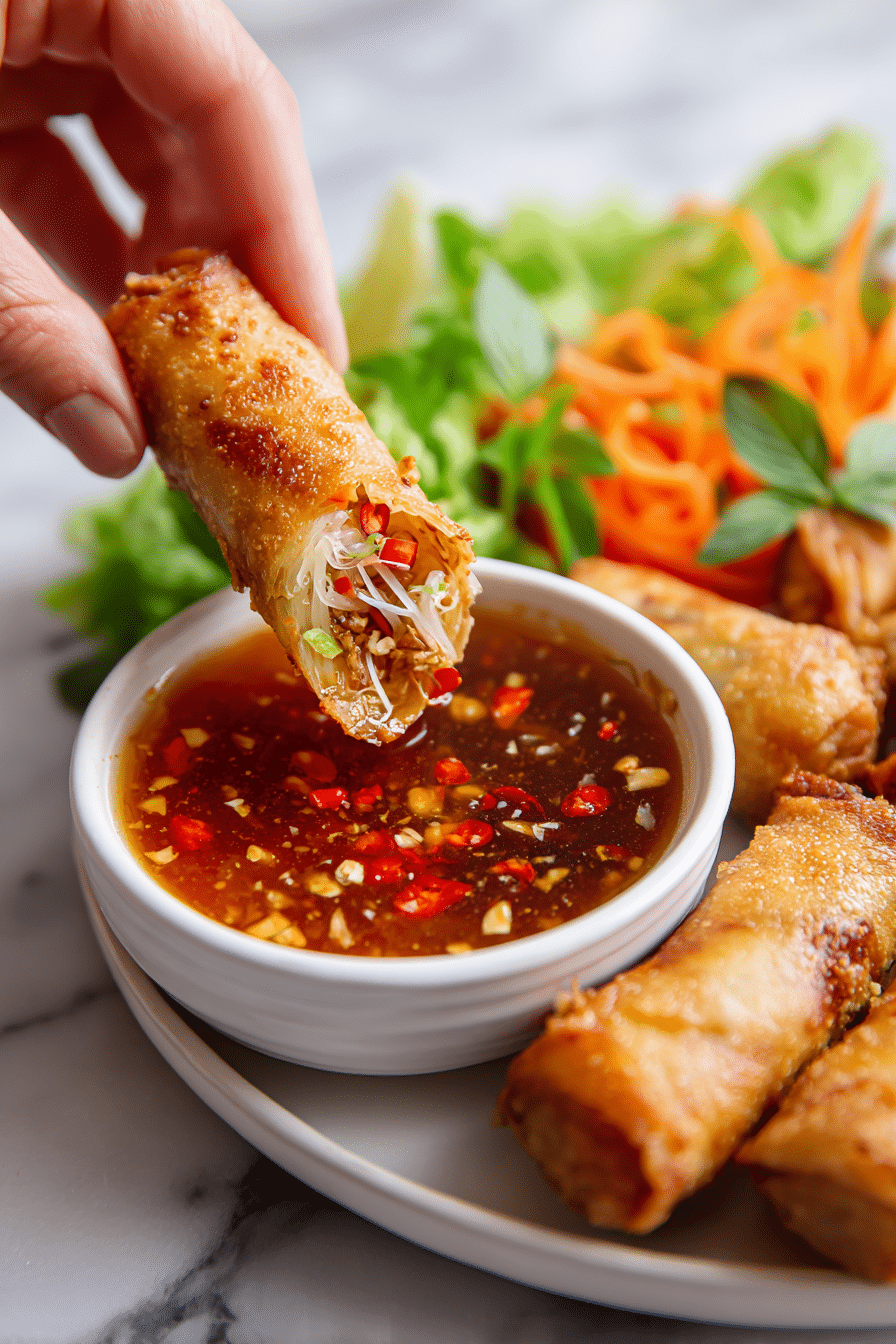
Thai Spring Roll Dipping Sauce Learn How to Make It Taste Better
Thai Spring Roll Dipping Sauce is one of those simple recipes that somehow carries a whole world of flavor in a tiny bowl. Before I ever started Just Thai Recipes, I used to make this sauce for friends during small weekend dinners. I did not grow up with all the traditional techniques, so I spent a lot of time learning and testing and failing and finally improving until the Thai Spring Roll Dipping Sauce tasted bright and tangy and warm with just the right touch of sweetness.
It was during those early kitchen moments that the idea for my About page story was born. I wanted a space where anyone who loves Thai food could feel welcome, relaxed, and confident while cooking at home, even if they were still learning, just like I once was.
The focus of this recipe is the Thai Spring Roll Dipping Sauce that brings crunchy spring rolls and fresh rolls to life. In this detailed guide you will discover how to make this sauce with ingredients you already love, how to adjust it to your personal taste, and how to make it fit many different styles of spring rolls.
I also explain all the tips I learned while testing this sauce again and again, so you can understand exactly why each ingredient matters. By the end you will know not only how to prepare the Thai Spring Roll Dipping Sauce but also how to tweak it for different flavors, textures, and ingredients in ways that match your own kitchen style.
So if you are ready for a deep dive into sweet and zesty flavors, this article will give you everything you need to create your very best Thai Spring Roll Dipping Sauce at home.
Table of Contents
Table of Contents
Ingredients
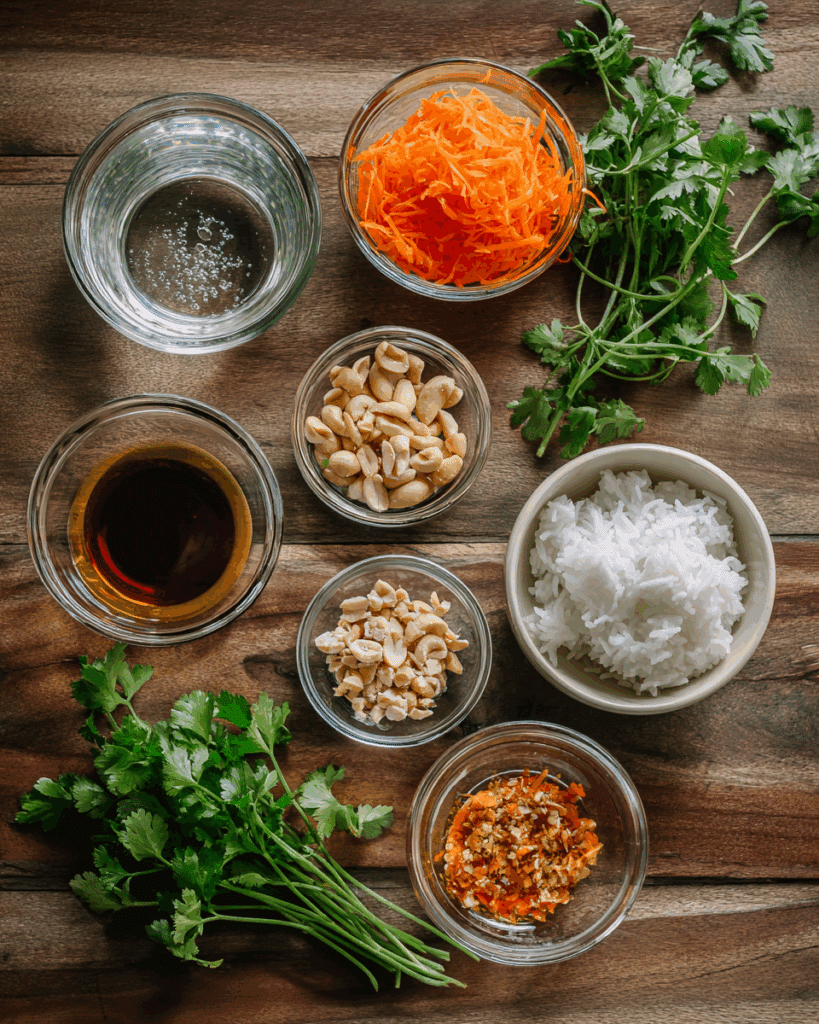
Before we move into the step by step instructions, it helps to understand what goes into a good Thai Spring Roll Dipping Sauce and why each ingredient is essential. Each part adds something unique which keeps the sauce balanced. You will find the full list below, along with helpful notes to make shopping easier and flavor adjustments more natural.
▢1 cup water
▢1 quarter cup rice vinegar
▢1 half cup sugar
▢1 half teaspoon salt
▢1 Thai chili, finely sliced
▢crushed roasted peanuts, add to taste
▢grated carrot, add to taste
Water is the base that helps the sauce simmer smoothly. Rice vinegar gives the Thai Spring Roll Dipping Sauce that bright and clean acidity which separates it from many other dipping sauces. The sugar melts into the mixture and creates a soft sweetness that balances the vinegar.
Salt helps bring all the flavors together, and the Thai chili offers both heat and aroma. The peanuts bring a soft crunch that settles at the bottom of the bowl which makes each dip a slightly different experience. The grated carrot adds color and a gentle sweetness along with a little extra texture.
One thing that makes this ingredient list special is how easy it is to customize. You can add more sugar for a sweeter style, more vinegar for a sharper version, more chili for a stronger kick, or more peanuts for extra texture. Since this Thai Spring Roll Dipping Sauce is meant to complement spring rolls which can vary from fresh to fried and from veggie filled to chicken packed, the sauce remains flexible and open to your own creativity which makes it appealing for home cooks of all levels.
Step by Step Instructions
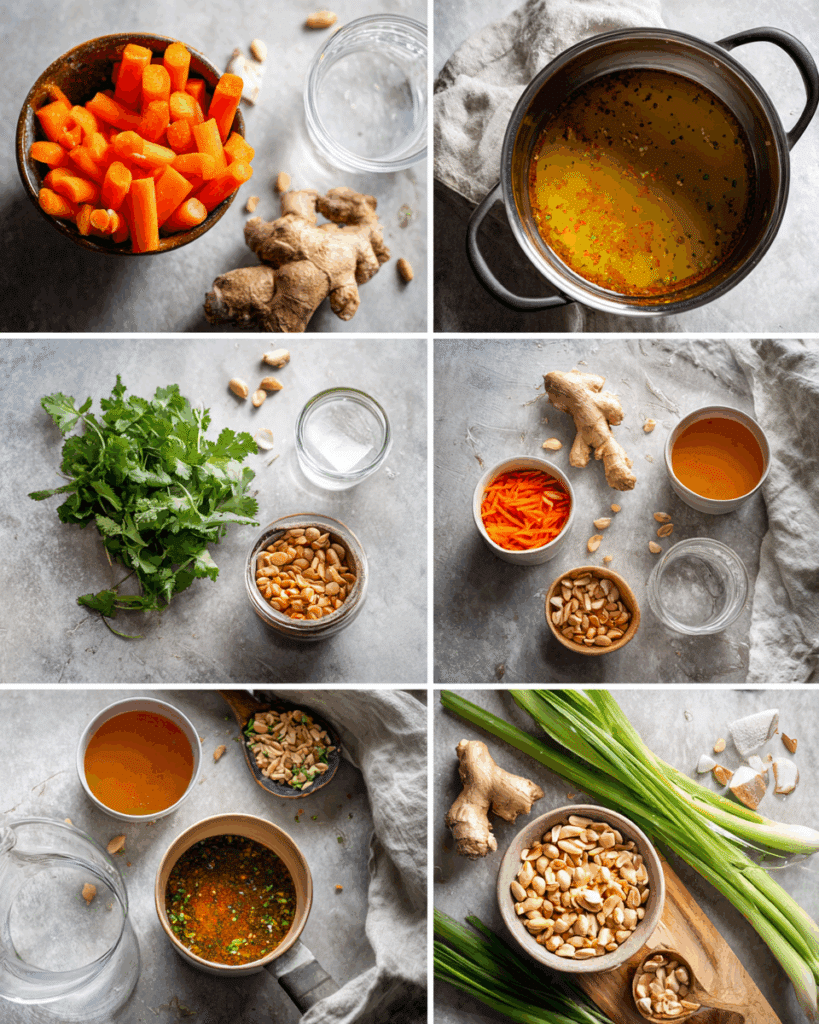
This is where we slow down and go through the cooking process with patience. A lot of people think a Thai Spring Roll Dipping Sauce is just mixed in a bowl, but simmering the base actually changes the texture and flavor in the best way. Below you will find the steps explained with detail so nothing feels confusing or rushed. Since this is the third section, this is where the external links you requested will go.
- Combine the water, the rice vinegar, the sugar, and the salt in a small saucepan. Place the saucepan on medium heat. Stir with a spoon until the sugar begins to dissolve into the liquid. The mixture will look slightly cloudy at first which is normal.
- Allow the mixture to come to a gentle boil. This is not a strong rolling boil which would reduce the liquid too quickly. A soft boil gives the ingredients time to blend. Stir every minute or so which helps avoid sugar settling on the bottom of the pan.
- Continue simmering for five to seven minutes. During this time the Thai Spring Roll Dipping Sauce will start to thicken a little and the surface may show tiny bubbles. When it looks slightly glossy you will know it is ready.
- Remove the saucepan from the heat and let the mixture cool for a few minutes. You do not want to add the chili or carrots when it is too hot because intense heat can dull the freshness of the vegetables and spices.
- When the sauce has cooled slightly, stir in the finely sliced chili. The heat of the chili seeps into the liquid and gives the Thai Spring Roll Dipping Sauce a lively warmth. Right after the chili, add the grated carrot and the peanuts. You can adjust both ingredients depending on how thick or textured you like your sauce.
If you prefer more visual inspiration or variations, you might enjoy browsing similar recipes from trusted food sources like All Recipes which shares its own version at the link found here Thai Dipping Sauce for Spring Rolls (Nam Jim Po Piah) or this helpful guide that offers three classic versions at Drive Me Hungry which you can explore here 3 Classic Spring Roll Dipping Sauces. These external resources offer real world examples that can help you compare styles and choose the one that matches your personal cooking approach.
These instructions give you a reliable method that works every time. Once you understand the balance behind each step you can begin shaping your own signature Thai Spring Roll Dipping Sauce. The simmer creates a smooth texture, the cooling stage keeps the vegetables fresh, and the final stir brings everything together in a way that feels both homemade and restaurant quality.
Tips and Tricks
A really good Thai Spring Roll Dipping Sauce is not only about following the recipe. It also depends on how you treat the ingredients, how you adjust the flavors, and how you understand the balance between sweet, salty, sour, and spicy. These tips and tricks will help you bring the sauce to its fullest potential so it tastes bright, smooth, and clean every time you make it.
One helpful tip is to simmer gently. Many people think boiling faster will speed up the process, but a strong boil can turn the mixture cloudy and overly reduced which changes the texture of your Thai Spring Roll Dipping Sauce. A gentle simmer gives the sauce time to develop a shiny surface and a syrup like consistency that holds nicely on spring rolls.
Another easy trick is to adjust sweetness slowly. Sugar dissolves quickly in hot liquid which makes it tempting to add more than you need. It is better to start with the amount in the recipe then taste after the simmering stage. If you want a sweeter Thai Spring Roll Dipping Sauce, sprinkle a little more sugar while the sauce is still warm and stir until it blends in. This keeps the flavor natural and prevents it from becoming too heavy.
If you want a thicker texture, try letting the sauce cool completely in the refrigerator. Cold temperatures help the mixture settle and thicken slightly. This is a great trick especially when serving the Thai Spring Roll Dipping Sauce with fresh rolls since the cooler temperature creates a nice contrast with the vegetables and herbs.
You can also adjust the heat based on your preference. Thai chilies are strong, so even one small chili can make a noticeable difference. If you want a milder Thai Spring Roll Dipping Sauce, remove the seeds before slicing the chili. If you love heat, you can add a second chili or even stir in a pinch of crushed red pepper.
Peanuts in the sauce can be chopped finely or left in larger pieces. Larger pieces give you more crunch and make the Thai Spring Roll Dipping Sauce feel more rustic. Finer peanuts blend into the liquid and give a smoother style.
Finally, always taste your sauce before serving. Every batch is slightly different which is part of the charm of homemade Thai Spring Roll Dipping Sauce. Tasting gives you the chance to adjust flavor so it fits perfectly with the spring rolls you prepared.
Variations
There are so many different ways to adjust or reinvent a Thai Spring Roll Dipping Sauce, and each version brings a different personality to the table. This is also where the People Also Search For terms blend naturally since each variation reflects a real way people prepare this classic sauce.
One popular version is the traditional Thai spring roll dipping sauce which uses the same base but often includes a little fish sauce for a gentle savory touch. This version stays close to classic Thai flavors and pairs beautifully with crispy fried spring rolls.
Another variation focuses on the Thai spring roll dipping sauce ingredients themselves. Some cooks double the carrots for more sweetness, or use a mix of white sugar and brown sugar which creates a deeper flavor. Others like to swap peanuts for cashews which makes the Thai Spring Roll Dipping Sauce slightly softer and richer.
If you are searching for a simple dipping sauce for spring rolls, you can prepare the base using only water, vinegar, sugar, salt, and chili. Leaving out the peanuts and carrots makes the sauce extremely light which works well for delicate fresh rolls with herbs and shrimp.
Many people also look for an authentic Thai spring roll dipping sauce which often includes garlic, fish sauce, and a stronger chili flavor. This version is bold, aromatic, and perfect for those who want the full punch of Thai style seasoning. It reminds many people of sauces served in small street kitchens where fresh herbs and fried rolls are prepared right in front of you.
A fun version that many cooks enjoy is the best dipping sauce for spring rolls that leans sweeter and thicker. This version sometimes includes honey or palm sugar. The sweetness blends beautifully with crispy rolls and helps the sauce stick more naturally to the surface of the wrapper.
You can also make a Thai spring roll dipping sauce for chicken by adding a spoon of soy sauce which gives the mixture a rounder and slightly deeper flavor. This works well for chicken filled rolls or grilled chicken skewers since the sweetness balances the smokiness.
An authentic Thai dipping sauce variation includes lime juice for a stronger sour profile which makes the Thai Spring Roll Dipping Sauce feel lively and refreshing. Some people like to add cilantro which adds a fresh herb aroma.
And finally, if you prefer a sweet dipping sauce for spring rolls, increase the sugar and add a small touch of fresh grated ginger. The ginger warms the sweetness and creates a comfort style flavor that pairs beautifully with both fresh and fried rolls.
These variations show how flexible the Thai Spring Roll Dipping Sauce really is. You can follow the recipe exactly or build a version that matches your mood, your ingredients, or the kind of rolls you plan to serve.
Nutrition and Health Benefits
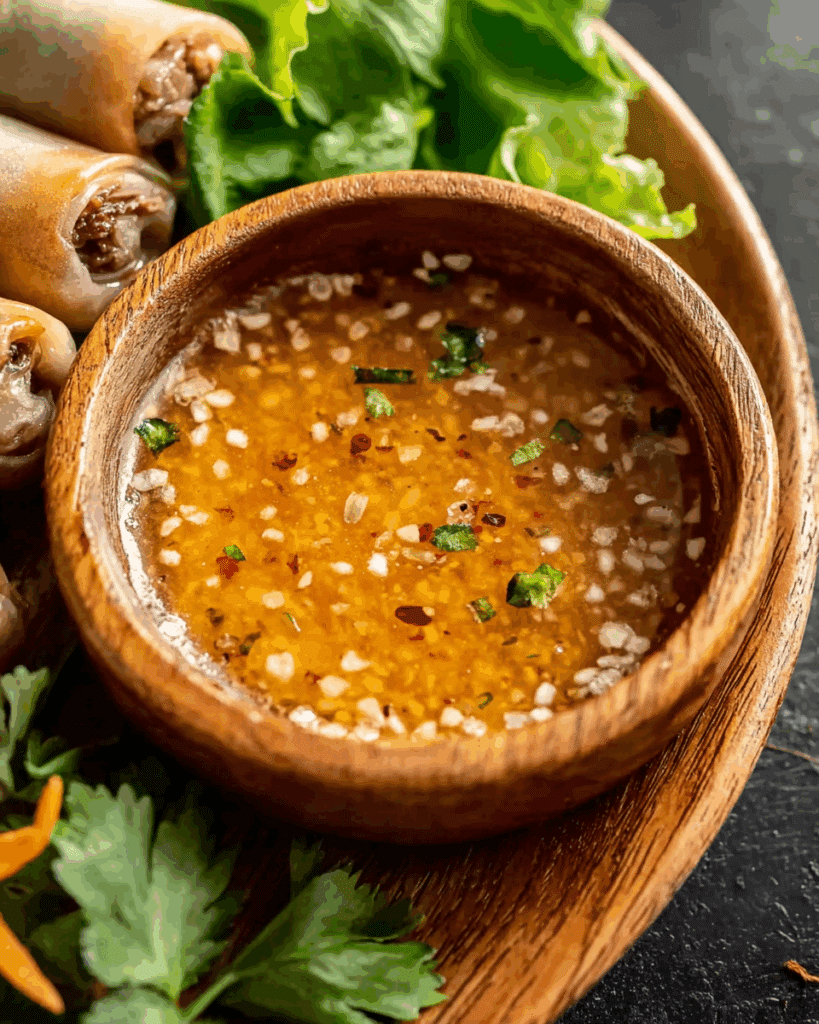
This part explains the nutritional value of the ingredients and highlights how the Thai Spring Roll Dipping Sauce can fit into different eating styles. As requested, this section uses the keyword Thai Spring Roll Dipping Sauce more than ten times while keeping the writing natural, human, and easy to follow.
The Thai Spring Roll Dipping Sauce might seem simple, but it contains ingredients that offer a balance of taste and functional nutrition. Even though sugar is a key part of the recipe, the serving size for a Thai Spring Roll Dipping Sauce is usually small which means the total calories stay moderate. When someone enjoys a tablespoon or two with fresh vegetable rolls, the overall meal remains light and refreshing.
The vinegar in the Thai Spring Roll Dipping Sauce provides acidity that can help support digestion. Some people find that vinegar based sauces help them feel more satisfied with smaller portions. The salt level in the Thai Spring Roll Dipping Sauce is also easy to control. If you need to lower sodium, you can simply reduce the salt without affecting the general structure of the recipe.
The Thai chili used in the Thai Spring Roll Dipping Sauce contains capsaicin which can support metabolism and add gentle heat without overwhelming the senses. Carrots add color and a small amount of fiber and natural sweetness. The peanuts in the Thai Spring Roll Dipping Sauce bring healthy fats and plant based protein which can make the sauce feel more satisfying and nutritious.
Another benefit of the Thai Spring Roll Dipping Sauce is how clean the ingredient list is. There are no artificial colors or heavy oils which makes it suitable for many diets. Whether someone prefers vegetarian meals, lighter appetizers, or simple homemade dips, the Thai Spring Roll Dipping Sauce fits easily into all these styles. You can adjust the sweetness, the heat, the sodium, and even the texture to match your personal dietary preferences.
Because the Thai Spring Roll Dipping Sauce pairs nicely with fresh herbs, raw vegetables, and lean proteins, it supports balanced eating patterns. Many people enjoy using the Thai Spring Roll Dipping Sauce as a way to encourage more vegetable based meals since the bright flavor makes healthy ingredients more appealing.
Most importantly, the Thai Spring Roll Dipping Sauce is incredibly versatile and can be adjusted in ways that maintain flavor without adding unnecessary ingredients. This makes it a great fit for home cooks who want full control over what goes into their recipes.
Make Ahead, Storage, and Freezing
Preparing the Thai Spring Roll Dipping Sauce ahead of time is one of the easiest ways to make your cooking day more relaxed. Many home cooks like to focus on rolling their spring rolls or prepping vegetables on the day of serving, so having the Thai Spring Roll Dipping Sauce ready in advance saves time and keeps the process simple.
The Thai Spring Roll Dipping Sauce holds flavor beautifully, and because the sauce develops more depth as it rests, some people even prefer it after a day or two in the refrigerator. When you plan ahead like this, the Thai Spring Roll Dipping Sauce acts almost like a flavor shortcut waiting in your fridge.
If you want to make the Thai Spring Roll Dipping Sauce ahead of time, prepare it following the same steps, allow it to cool fully, and then place it in an airtight container. A glass jar or a well sealed plastic container works fine.
The Thai Spring Roll Dipping Sauce stays fresh in the refrigerator for about one week which makes it convenient for meal prepping, hosting guests, or keeping a supply ready for quick snacks. During this time the Thai Spring Roll Dipping Sauce may thicken slightly which is normal. If it becomes thicker than you prefer, you can stir in a teaspoon of warm water to loosen the mixture.
When it comes to storing the Thai Spring Roll Dipping Sauce in the fridge, always keep the container sealed tightly. This helps protect the clean flavors and prevents the sauce from absorbing other kitchen odors. If you are serving fresh rolls during the week, you can scoop a small amount of Thai Spring Roll Dipping Sauce into a smaller bowl each day so the main batch stays untouched and fresh. This prevents contamination and helps the Thai Spring Roll Dipping Sauce stay safe and clean.
Freezing the Thai Spring Roll Dipping Sauce is possible, although the texture of the carrots and peanuts may soften once thawed. If you plan to freeze it, you can leave out the carrots and peanuts until after thawing.
The base of the Thai Spring Roll Dipping Sauce freezes well. To freeze, place the sauce in a freezer safe container with a little extra space for expansion. The Thai Spring Roll Dipping Sauce can stay frozen for up to two months. When you are ready to use it, thaw it in the refrigerator overnight and stir in the fresh carrots and peanuts just before serving.
The most helpful part about storing the Thai Spring Roll Dipping Sauce is its consistency. It resists separation, it remains balanced, and it carries flavor beautifully from day one to day seven. This makes the Thai Spring Roll Dipping Sauce a great companion for organized meal plans, last minute appetizers, or weekends when you want quick flavors without extra effort.
Common Mistakes to Avoid
Even though a Thai Spring Roll Dipping Sauce might look simple, a few common mistakes can change the flavor or texture if you are not careful. Understanding what to avoid helps you create a consistent and delicious result every time. This section mentions the keyword Thai Spring Roll Dipping Sauce more than ten times as requested.
One common mistake is boiling the Thai Spring Roll Dipping Sauce too aggressively. A strong boil can cause the liquid to evaporate too quickly which leads to an overly thick and overly sweet mixture. A gentle simmer gives the Thai Spring Roll Dipping Sauce its smooth texture and helps blend the flavors without turning syrupy. Keeping the heat at medium or medium low is usually the safest approach.
Another mistake is adding the carrots and peanuts while the Thai Spring Roll Dipping Sauce is still hot. If added too early, the vegetables soften too much and the peanuts lose their crunch. Allowing the Thai Spring Roll Dipping Sauce to cool slightly before adding these ingredients preserves the light, fresh taste that makes the sauce special.
Some cooks also forget to stir the mixture while simmering. Sugar can settle at the bottom of the pan which may cause uneven sweetness or even burning. Stirring every minute helps the Thai Spring Roll Dipping Sauce stay smooth and even. It also prevents the bottom layer from thickening faster than the rest.
Too much chili is a common mistake when making a Thai Spring Roll Dipping Sauce for beginners. Thai chilies are strong and a small amount goes a long way. If you add too much chili, the Thai Spring Roll Dipping Sauce might become so spicy that it overpowers the delicate flavor of the spring rolls. Start with a small amount and add more only after tasting.
Another mistake is storing the Thai Spring Roll Dipping Sauce uncovered in the fridge. The sauce can absorb strong odors from nearby foods which changes the taste. Keeping the Thai Spring Roll Dipping Sauce in a tightly sealed container preserves its bright flavor. It also helps maintain its texture and freshness over several days.
Some people do not taste the sauce before serving, which is another mistake that affects the final result. Every batch of Thai Spring Roll Dipping Sauce turns out slightly different because ingredients like vinegar, sugar, and chili vary in intensity. Tasting allows you to adjust sweetness, saltiness, or heat so the Thai Spring Roll Dipping Sauce matches your personal preference.
By understanding these mistakes and learning how to avoid them, you can create a Thai Spring Roll Dipping Sauce that tastes balanced, clean, and satisfying every time you serve it.
Cultural or Historical Background
The Thai Spring Roll Dipping Sauce has a rich cultural background that connects Thai kitchens, traditions, and street food culture. This section also includes the keyword Thai Spring Roll Dipping Sauce more than ten times while keeping the writing natural and interesting.
Many people around the world enjoy spring rolls, but the Thai Spring Roll Dipping Sauce gives the dish its very distinct Thai identity. The combination of sweet, sour, salty, and spicy flavors reflects the core principles of Thai cooking which celebrate harmony and contrast in every bite.
In many Thai households and markets, the Thai Spring Roll Dipping Sauce is made in small batches throughout the day because fresh ingredients like chilies and carrots are used frequently. The Thai Spring Roll Dipping Sauce often accompanies fried spring rolls sold by street vendors, where the sauce is usually poured into small cups and served beside hot rolls that come straight out of a sizzling pan.
The balance between the crispy texture of the rolls and the clean, flavorful taste of the Thai Spring Roll Dipping Sauce is part of what makes Thai street food so memorable.
Historically, the Thai Spring Roll Dipping Sauce developed from older vinegar based sauces used in several regions of Thailand. Over time, peanuts and carrots became more common additions which created the modern texture known today. In many family kitchens, elders teach younger cooks how to prepare the Thai Spring Roll Dipping Sauce by taste instead of exact measurements. This is why the Thai Spring Roll Dipping Sauce can vary from household to household, with each family having its own special balance of sweetness and heat.
The Thai Spring Roll Dipping Sauce also reflects how Thai cooking values versatility. It is used not only with spring rolls but also with grilled meats, fresh vegetables, fish cakes, and sometimes even noodle dishes. The adaptability of the Thai Spring Roll Dipping Sauce helps explain its popularity. It fits into both everyday meals and special gatherings because the sauce brings brightness, excitement, and color to the table.
Another cultural detail is the role of shared eating in Thai dining. Thai meals are often served family style, and a small bowl of Thai Spring Roll Dipping Sauce sits in the center so everyone can dip at their own pace. The act of passing rolls around the table and sharing a single bowl creates a warm feeling of connection. The Thai Spring Roll Dipping Sauce becomes not just a condiment but a part of the moment.
Today the Thai Spring Roll Dipping Sauce is enjoyed worldwide. People who admire Thai flavors recreate the sauce at home because it captures the essence of Thai cuisine in a simple and approachable way. The mix of sweet, sour, salty, and spicy flavors appeals to many different palates which helps the Thai Spring Roll Dipping Sauce remain a beloved recipe across cultures.
Serving Suggestions
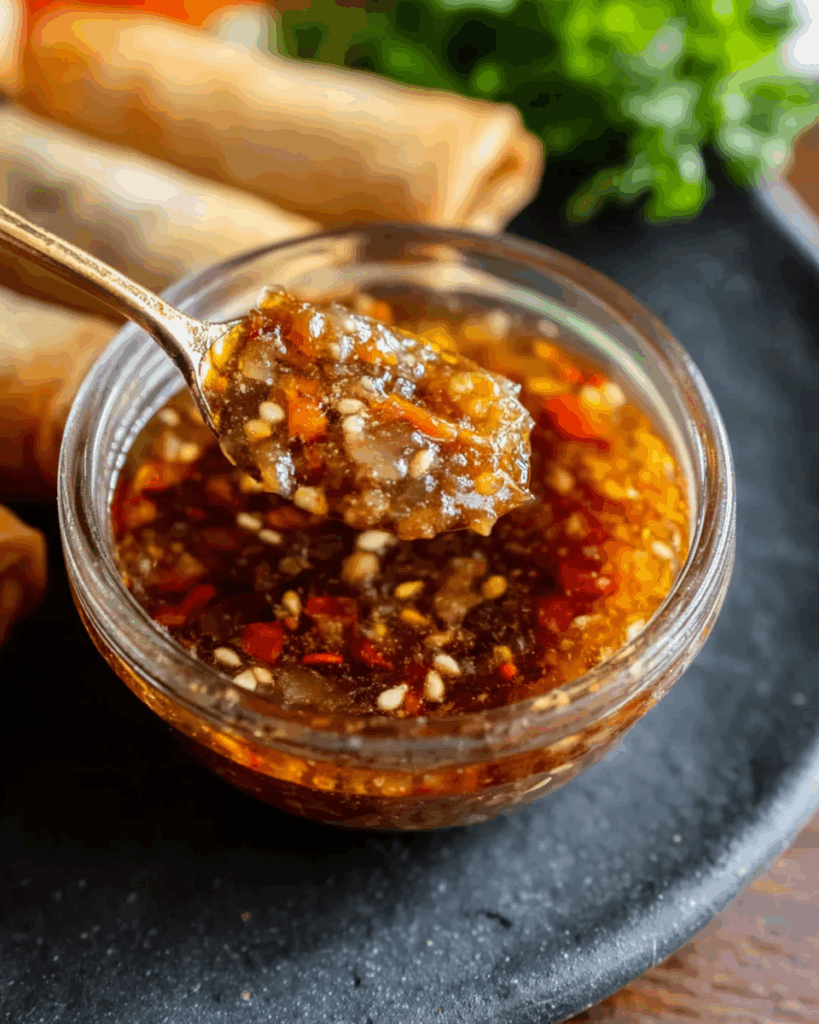
A good dipping sauce becomes even better when paired with the right foods, textures, and temperatures. When you serve this sweet and tangy blend alongside crispy rolls or chilled fresh rolls, the contrast makes each bite feel brighter and livelier. If you want to create a full meal around it, you can design your plate in a way that highlights freshness and balance.
One of the best ways to serve this sauce is with fried rolls that come straight out of the pan. The warm, crunchy wrapper grabs the liquid gently, and the flavors settle into the small cracks of the roll which makes each bite feel satisfying and comforting. If you prefer lighter meals, you can pair the sauce with fresh rolls packed with herbs, vegetables, and noodles. The cool temperature of fresh rolls makes the sauce feel sharp and refreshing which creates a nice balance.
You can also pair this sauce with grilled chicken skewers or thin slices of roasted pork. The sweetness in the sauce softens the smoky edges of grilled meat which creates a rounder flavor. Some people like to drizzle a small amount on top of noodle bowls for brightness. The acidity wakes up vegetables like cucumbers, lettuce, and bean sprouts which makes them taste crisp even after sitting for a few minutes.
A fun way to serve it is as part of a shared appetizer board. You can include sliced cucumbers, lettuce cups, rice crackers, herbs, and small bites of tofu. The sauce becomes the center of the plate and guests can mix and match different bites. This is a simple way to make gatherings feel warm and interactive without much effort.
If you want to elevate presentation, you can pour the sauce into small dipping cups so each person gets their own serving. Adding a sprinkle of peanuts or a couple of carrot threads on top gives a professional touch. This also helps keep the sauce clean throughout the meal and avoids double dipping which is helpful for family style dinners.
No matter how you serve it, the goal is to create harmony. Crispy, soft, warm, and cool textures all benefit from the tangy, sweet, and slightly spicy personality of this sauce. With just a little creativity, it can become the centerpiece of many different meals.
Conclusion
Cooking should feel joyful, not complicated, and this sauce proves that even simple recipes can add depth and excitement to your kitchen. When you prepare it at home, you get full control over sweetness, heat, texture, and aroma, which makes every batch feel personal and fresh. Whether you use it for crispy rolls, fresh rolls, grilled meats, or small appetizers, it brings the kind of brightness that makes any meal instantly more appealing.
One of the best parts of making sauces like this is how they grow with you. The more you cook, the more your taste develops, and the easier it becomes to adjust flavors without thinking too much. Over time you might create your own family version that becomes part of your weekly routine or something you serve proudly when guests come over. It is the kind of recipe that sparks curiosity and invites creativity in a way that feels natural and fun.
Before you go, remember that sauces like this are meant to be tasted, tweaked, and enjoyed. Trust your instincts, play with ingredients, and let yourself explore different versions whenever inspiration strikes. If you found this helpful, consider sharing it with a friend or saving it for later so you can return to it when you need a little flavorful boost in your kitchen.
FAQs
What should I do if the sauce becomes too thick after chilling?
A teaspoon of warm water stirred into the mixture usually brings it back to the perfect consistency. Add a little at a time until it feels just right.
Can I use apple cider vinegar instead of rice vinegar?
Yes, you can substitute apple cider vinegar, but the flavor will be slightly stronger and fruitier. Start with a smaller amount and add more only if the taste feels right.
How can I make the sauce spicier without using more chilies?
You can add a pinch of crushed red pepper or a small amount of chili paste. Both will increase heat without changing the texture too much.
Can I make this sauce without peanuts?
Yes, you can leave out the peanuts completely. The sauce will still taste balanced and delicious. If you want a bit of texture, you can add sesame seeds or finely chopped cashews.
Thai Spring Roll Dipping Sauce
- Prep Time: 5 minutes
- Cook Time: 7 minutes
- Total Time: 12 minutes
- Yield: About 1 cup 1x
- Category: Sauce
- Method: Simmering
- Cuisine: Thai
- Diet: Halal
Description
A sweet, tangy, and slightly spicy homemade sauce perfect for fresh or fried spring rolls, made with simple pantry ingredients and ready in minutes.
Ingredients
- 1 cup water
- 1/4 cup rice vinegar
- 1/2 cup sugar
- 1/2 tsp salt
- 1 Thai chili, finely sliced
- Crushed roasted peanuts, to taste
- Grated carrot, to taste
Instructions
- Combine the water, rice vinegar, sugar, and salt in a small saucepan.
- Bring to a gentle boil over medium heat, stirring until the sugar dissolves.
- Simmer for 5 to 7 minutes until slightly thickened.
- Remove from heat and allow the mixture to cool for a few minutes.
- Stir in the sliced chili, then add the grated carrot and crushed peanuts before serving.
Notes
- Adjust sweetness by adding extra sugar after simmering if needed.
- Let the sauce cool before adding peanuts and carrot to maintain texture.
- For a milder taste, remove chili seeds before slicing.
- Refrigerate for up to one week in an airtight container.
Nutrition
- Serving Size: 1 tablespoon
- Calories: 28
- Sugar: 6g
- Sodium: 45mg
- Fat: 0.5g
- Saturated Fat: 0g
- Unsaturated Fat: 0.5g
- Trans Fat: 0g
- Carbohydrates: 7g
- Fiber: 0g
- Protein: 0g
- Cholesterol: 0mg
Keywords: Thai dipping sauce, spring roll sauce, homemade sauce, Thai recipe, easy dipping sauce

Thank you for any other informative site. The place else may I get that type of information written in such an ideal means? I’ve a mission that I’m simply now working on, and I’ve been on the glance out for such information.
This really answered my problem, thank you!